The Nigeria French Language Village (NFLV), Ajara, Badagry, Lagos, has called on the Federal Government to enforce its directive requiring universities offering French language programmes to send their students to the institution for immersion training, warning that continued patronage of foreign centres could undermine Nigeria’s investment in French language education.
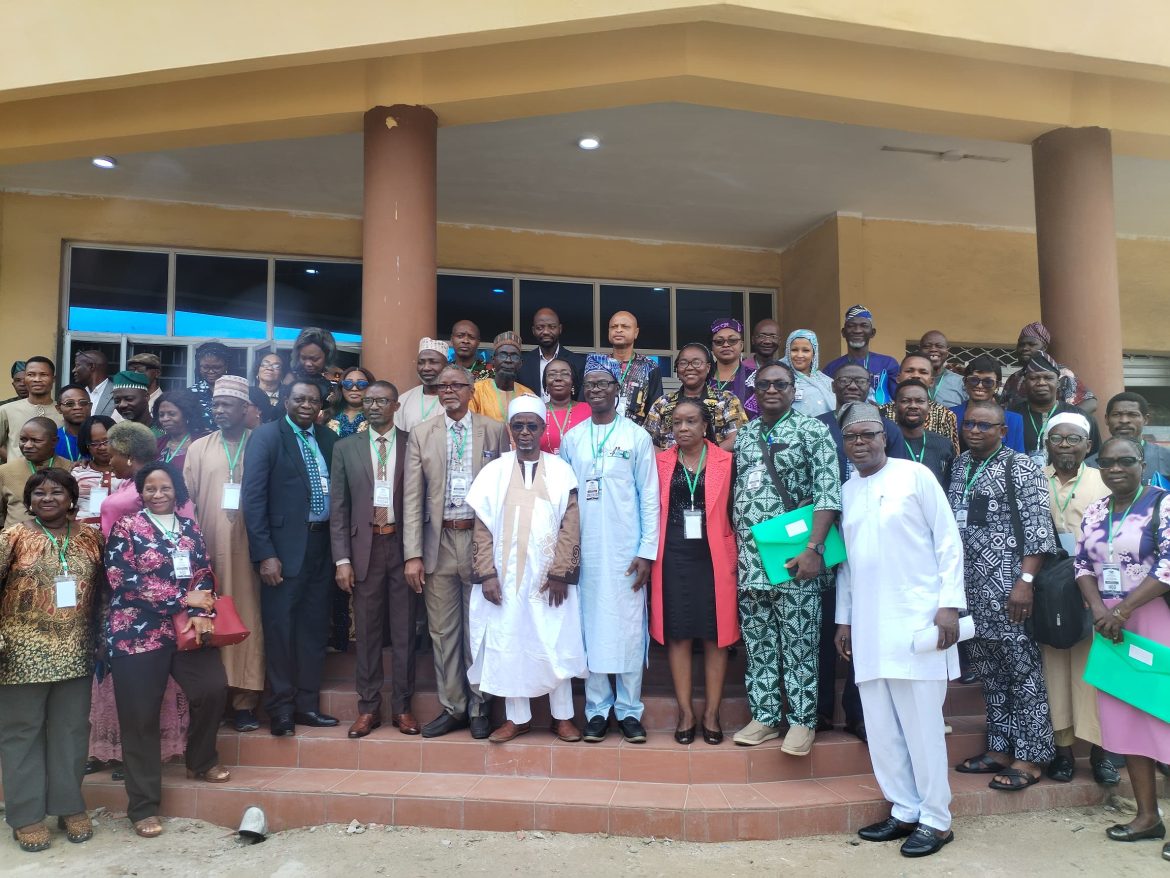
The call was one of the major outcomes of a three-day stakeholders’ conference attended by French language lecturers, education administrators and language experts from across the country.
Director of the Nigeria French Language Village, Professor Samuel Kolawole, said the institution was established as Nigeria’s official centre for French language immersion and should receive stronger policy backing from the Federal Government.
According to him, although the Federal Ministry of Education has directed universities to send French students to the Village for immersion programmes, some institutions continue to patronise centres outside the country that lack proper accreditation and academic recognition.
“The Nigeria French Language Village was created specifically to provide immersion programmes for students of French. Universities offering French should be encouraged, if not mandated, to send their students here rather than to unrecognised institutions across the border,” Kolawole said.
He expressed appreciation to the Federal Ministry of Education for granting the institution access to TETFund intervention funds, describing the support as crucial to the development of infrastructure and academic programmes at the Village.
Kolawole explained that the institution was intensifying efforts to deepen language immersion by encouraging students to communicate in French throughout their stay on campus while exposing them to French culture through classroom interactions and regular excursions to nearby Francophone communities.
The Director added that the Village was reviewing its curriculum to align French language studies with entrepreneurship and professional opportunities in tourism, hospitality, interpretation, translation, entertainment and other sectors.
“Our objective is not simply to produce graduates who can speak French, but graduates who can use the language as a tool for employment and professional development. The focus is shifting towards employability,” he said.
Chairman of the Governing Council of the Nigeria French Language Village, Alhaji Labiru Kafur, stressed the importance of French language education to Nigeria’s national development and regional integration, given the country’s strategic location among Francophone neighbours.
Kafur advocated the harmonisation of French language curricula in Nigerian universities with programmes offered at the French Village and emphasised the need to make employability a central objective of language education.
President of the University French Teachers’ Association of Nigeria (UFTAN), Professor Richard Ajah, also urged government and educational institutions to strengthen support for the French Village rather than encourage students to seek immersion opportunities outside the country.
Ajah criticised the growing trend of sending students to foreign institutions for language immersion, arguing that Nigeria should prioritise its own educational infrastructure.
“Encouraging Nigerian institutions to bypass the French Village in favour of foreign centres would amount to undermining our own national asset. No serious country weakens its own educational institutions in that manner,” he said.
The UFTAN President called for stronger institutional frameworks to support the French Village, including periodic stakeholder engagements, policy continuity and closer collaboration among universities, government agencies and language professionals.
He further advocated curriculum reforms that would link French language education to employability, innovation and global competitiveness, noting that graduates must be equipped with skills that enable them to compete internationally.
Speaking on behalf of the conference organisers, Chairman of the Local Organising Committee, Professor Omolegbe Laditan, said French language education in Nigeria must move beyond its traditional focus on literature, grammar, culture and civilisation.
According to him, language programmes should be redesigned to prepare students for careers in diplomacy, journalism, international relations, administration, translation, tourism and entrepreneurship.
“The world is changing rapidly, and our programmes must evolve accordingly. We need diplomats who can communicate effectively in French without relying on interpreters. We need bilingual journalists, technicians and professionals who can operate confidently in both English and French,” Laditan said.
He noted that students undergoing immersion at the French Village return to their universities with significantly improved speaking, writing and communication skills, while future curriculum reforms would further enhance their employability.
Laditan also urged parents to take advantage of the improved facilities and expertise available at the French Village instead of sending their children abroad for immersion programmes, noting that the institution now offers quality training at a fraction of the cost of foreign alternatives.
At the Business Section of the conference, Heads of Department of French from various institutions outlined challenges facing the programme and suggested solutions.