The National Agency for Food and Drug Administration and Control (NAFDAC) has again warned traders dealing in food, drugs, and cosmetics to desist from selling substandard and expired products, reaffirming its commitment to protecting Nigerian consumers.
This warning followed an unscheduled raid conducted by NAFDAC’s Investigation and Enforcement Directorate at the Trade Fair Complex along the Lagos–Badagry Expressway.
During the operation, the agency uncovered expired ketchup, bar soaps, body creams, and sprays—estimated to be worth over ₦1 billion—stocked in warehouses within the cosmetics section of the market.
Speaking with journalists after the raid, the Director of Investigation and Enforcement and Chairman of the Federal Task Force, Dr. Martins Iluyomade, said the operation was part of NAFDAC’s ongoing national action plan to rid markets of unwholesome and unregistered products.
“We received numerous complaints from Nigerians about fake and unregistered products flooding various corners of the country. What we’ve seen today is disturbing—banned and expired cosmetics and personal care items that never went through proper safety testing,” Dr. Iluyomade stated.
He further noted that some of the products discovered were not approved for use in Nigeria and may contain harmful substances, including carcinogens.
“Some items appear to be safe at face value but may contain banned chemicals. That’s why we carry out both physical inspections and lab analyses,” he explained.
According to Iluyomade, at least three large warehouses filled with unwholesome goods were sealed during the raid.
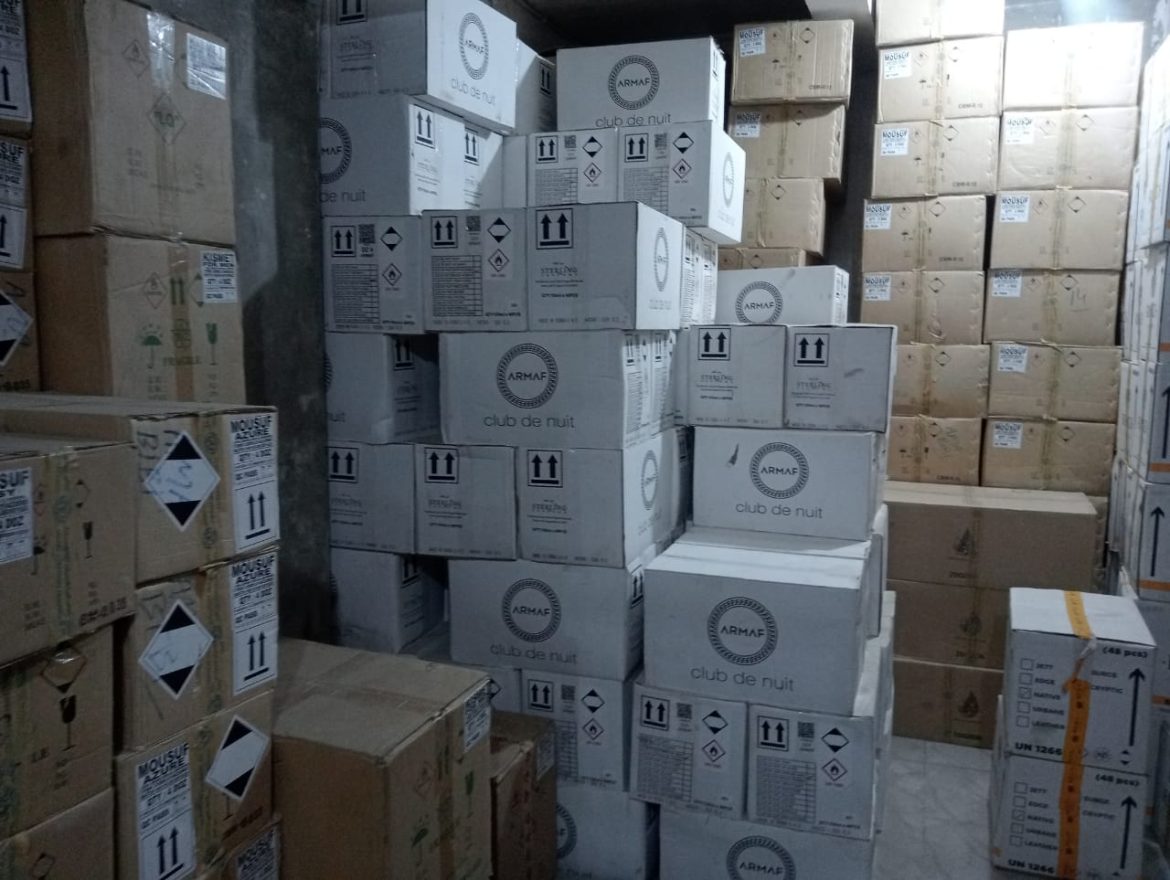
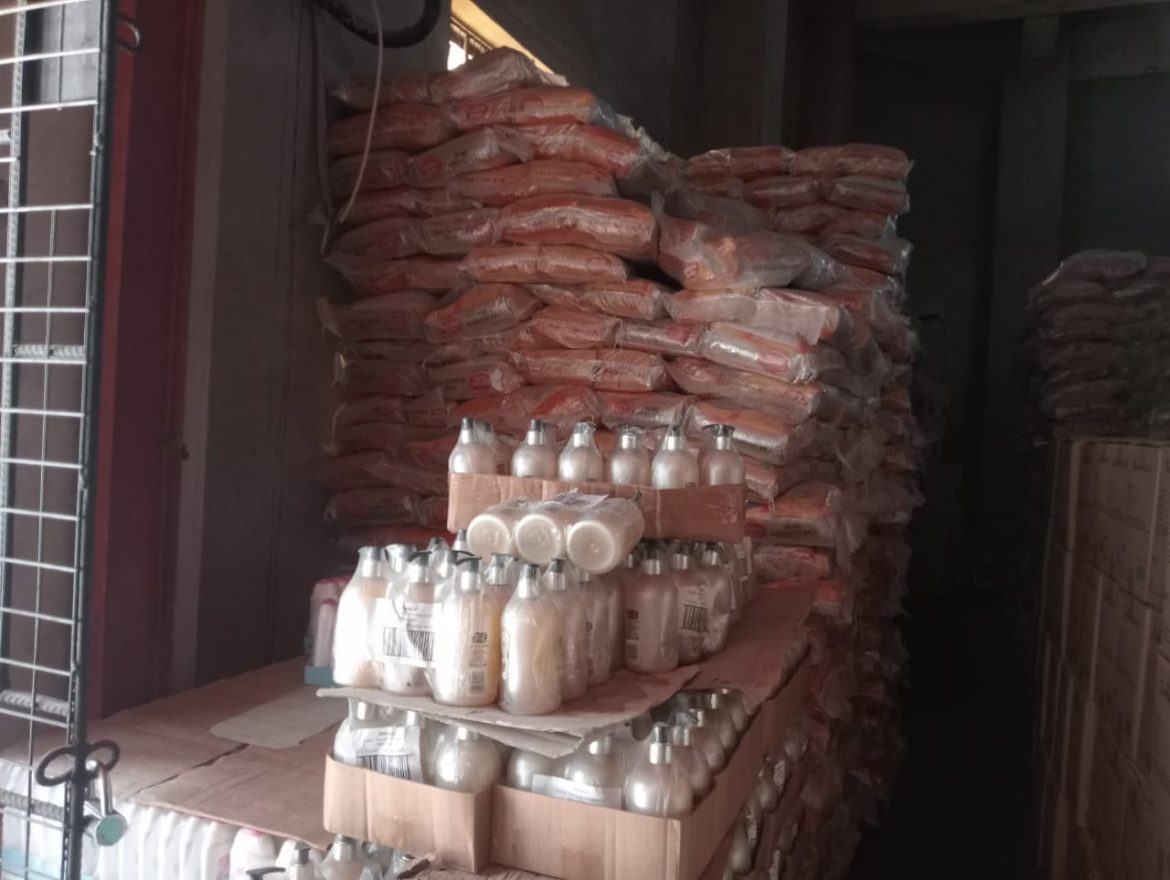
He confirmed that owners of the warehouses will be invited for interrogation and may face legal action.He emphasized the agency’s approach to enforcement: “NAFDAC has regulations.
Some issues can be determined on the spot, but others require scientific verification in the lab. This is why we sometimes delay full public disclosure—to ensure we’re accurate.”
Dr. Iluyomade lamented the lack of compliance by some traders who bypass regulatory procedures, warning that such negligence puts millions of Nigerians at risk.
“When people boycott the approval process, no one checks what they’re bringing in. That’s dangerous. These are products that come in contact with the skin and are ingested—it’s a serious public health and national security concern,” he said.
He, however, reassured law-abiding business owners that NAFDAC is not anti-business.
“We are here to protect both consumers and genuine entrepreneurs. We urge traders to register their products and adhere to safety guidelines. This way, they can run profitable businesses without endangering lives.”
Dr. Iluyomade concluded by encouraging stakeholders to comply with regulations, stating, “This is the only country we have. Everyone must do the right thing to ensure the safety of all Nigerians.”