The rainy season is often seen as a disruptor of daily life.
It floods roads, slows down traffic, and forces many outdoor businesses to close early. For some, it is the most dreaded time of the year.
Yet, beneath the dripping rooftops and waterlogged streets, there are pockets of opportunity where small businesses bloom.
From tea sellers to umbrella vendors, the season brings a surge in customers who are eager for warmth, protection, and comfort.
For these traders, every raindrop is a potential sale.
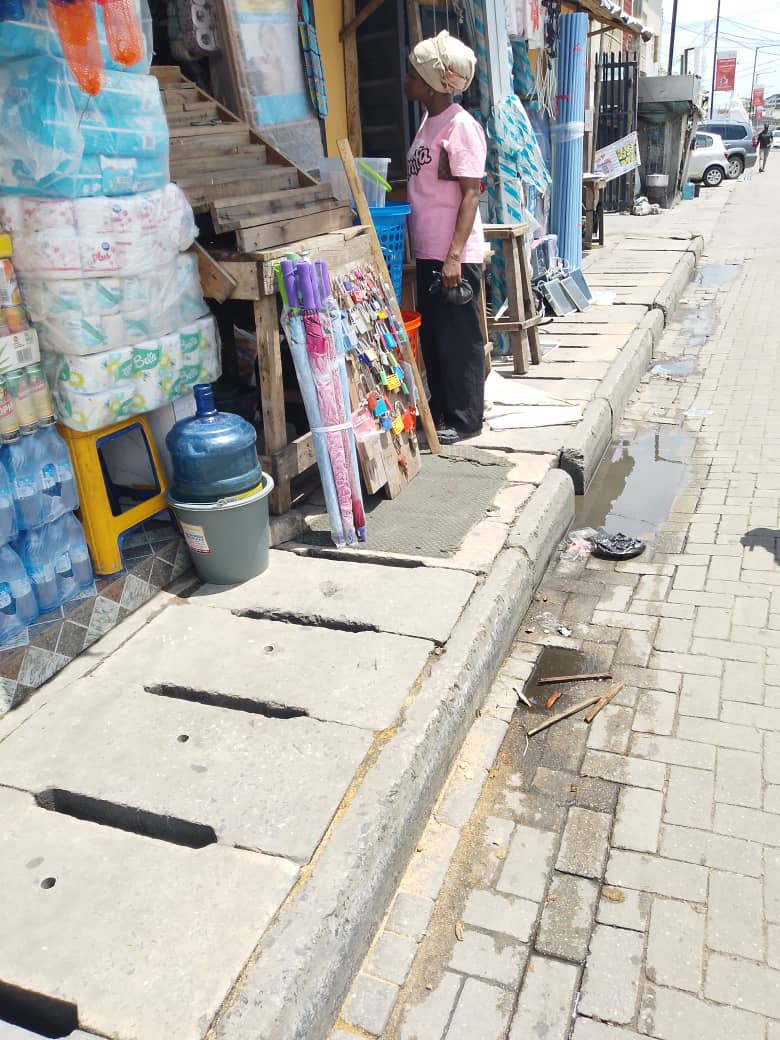
Hot meals, warm profits
Food vendors are among the first to feel the blessing of the rain.
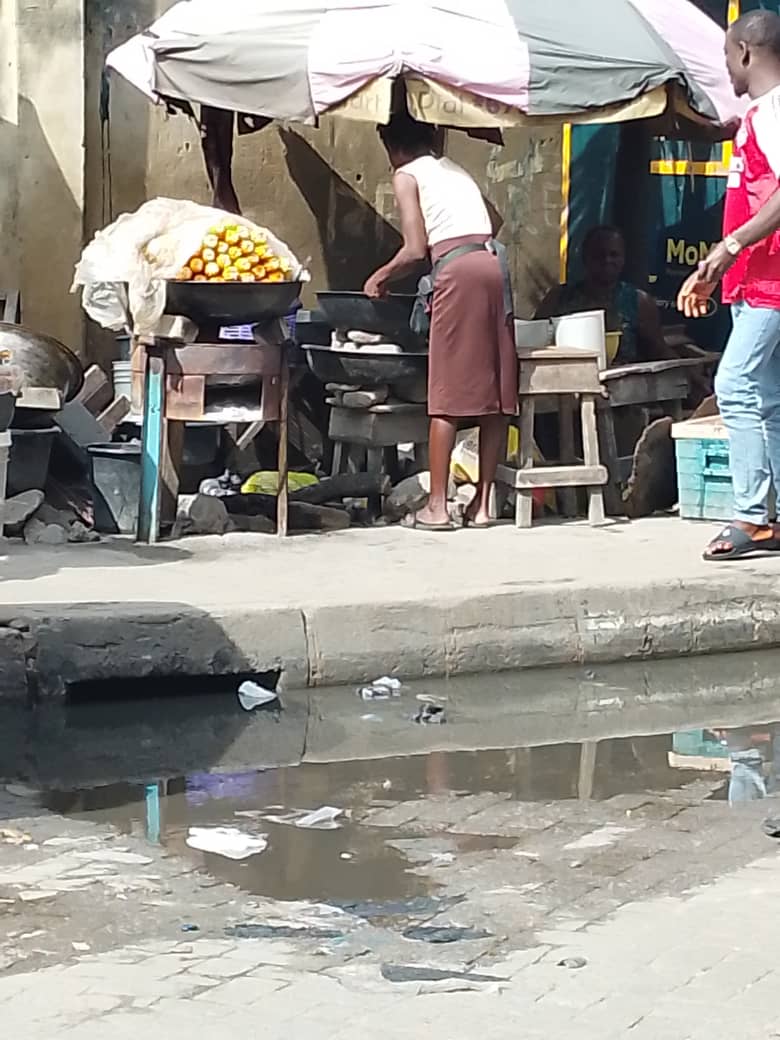
Nothing draws in customers faster than the promise of a steaming hot meal in the cold. Pepper soup, tea, akara, roasted corn, and even alcoholic sachet drinks see a sudden spike in demand.
Mallam Ibrahim, who runs a roadside tea stand, described the boom:
“I dey get more customers when rain fall… people dey come buy tea very well if rain fall.”
But he admits that the business still depends on customers’ pockets. “Sometimes dem not buy, due to the fact no money,” he added with a shrug.
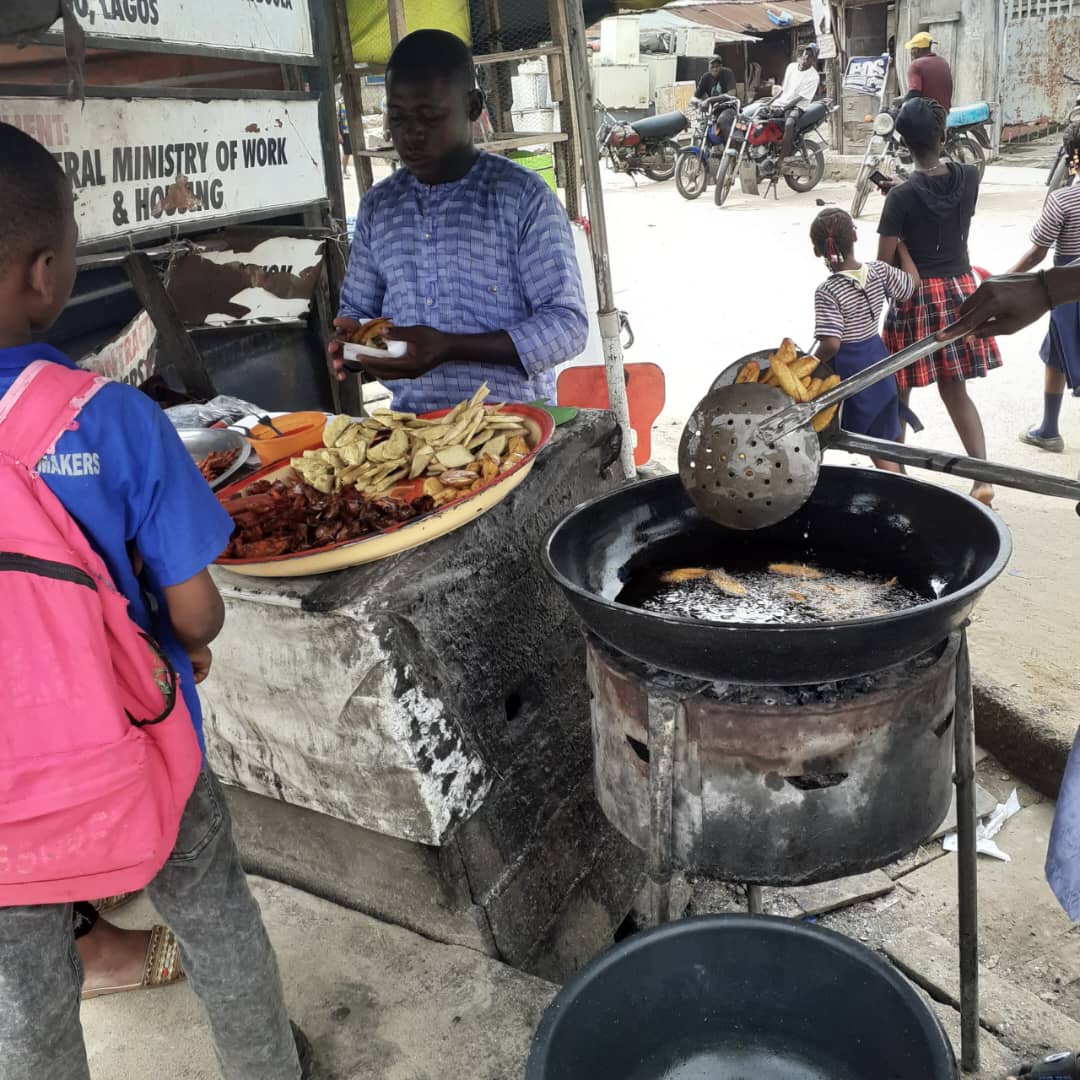
For Mrs. Precious, sachet alcohol keeps her business thriving. “When people take it, they claim it keeps their body warm. Like bus conductors and touts, they buy it and drink it,” she said.
Meanwhile, akara seller Mrs. Obiageli sees no shortage of buyers: “Akara sells more during the rainy season. People want something hot to warm their mouths. Even pap (akamu) and bread go with it.”
Shelter sellers in high demand
Raincoats, umbrellas, rubber slippers, and boots are another goldmine this season. Positioned at bus stops and flooded junctions, sellers make brisk sales as drenched commuters rush to shield themselves.
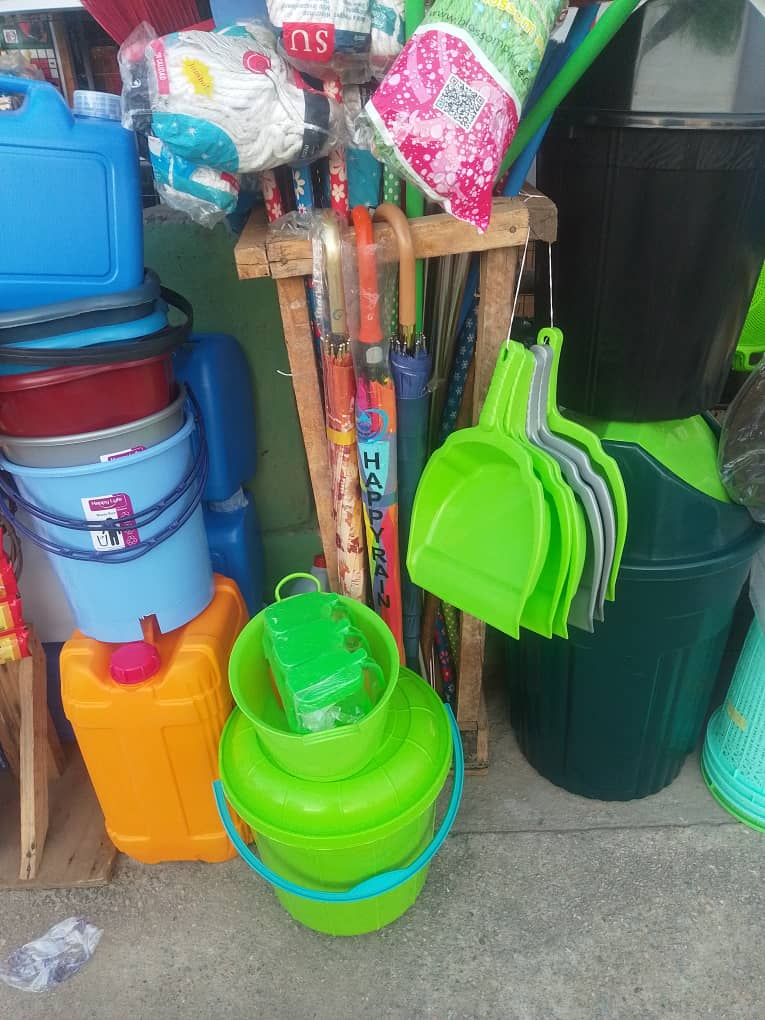
Christiana, an umbrella and rain boot vendor, smiled as she explained:
“I sell much during this season. My shop area dey flooded, so people must buy rain boots before they can even go out.”
For crocheters, the rains mean nonstop work. Knitted sweaters and thick clothes are suddenly fashionable again. “This is the season business is always on the high side for us,” said one crocheter proudly. “Everyone wants something to cover up from the cold.”
When mosquitoes strike, sellers cash out
With stagnant water everywhere, mosquitoes and rodents multiply. This, in turn, drives sales of insecticides and pesticides.
Mrs. Jumai, an insecticide seller in Lagos Island, put it bluntly: “This period our market dey move very fast.”
Her colleague Temi agreed: “Mosquitoes and rats destroy homes and look for dry places. That makes my business move more.”
Mrs. Olaoluwa added a touch of dark humor: “One man’s meat is another man’s poison. Since nobody wants to die from rodents, people dey rush my pesticides.”
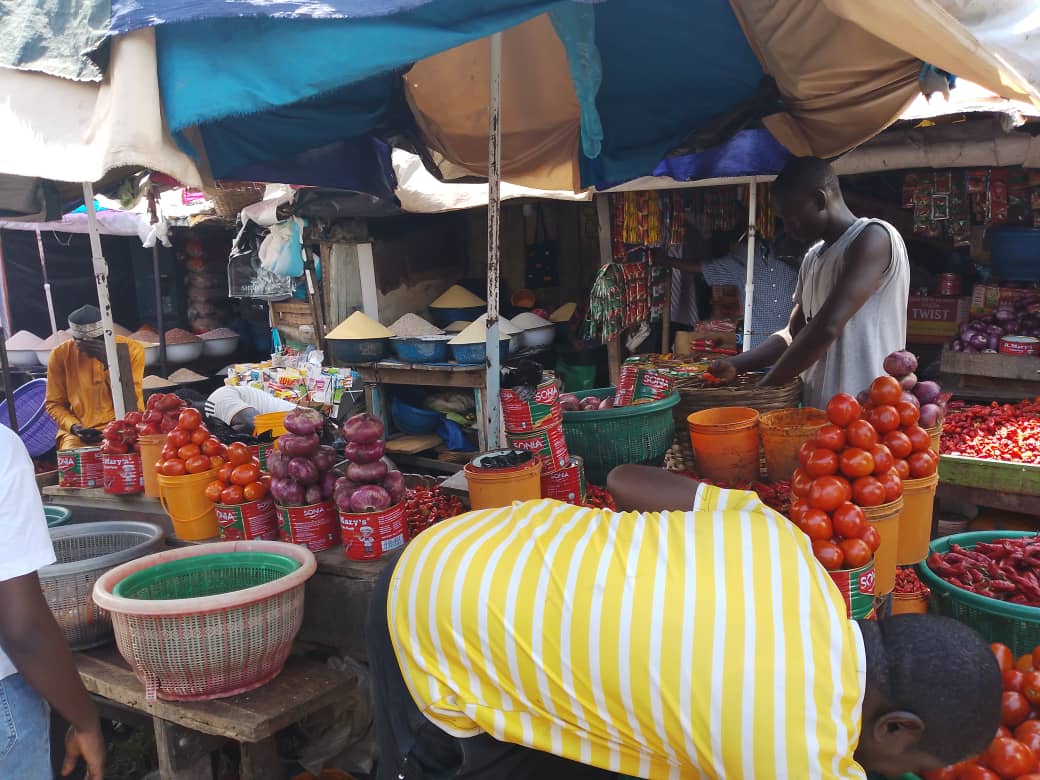
Farmers welcome the blessing
While city dwellers complain about muddy streets and canceled events, farmers view the rainy season as a gift. It waters their crops, promises a rich harvest, and ensures food supply for months to come.
Silver linings under grey skies
The rains may disrupt weddings, outdoor parties, and even church events. But for many petty traders, artisans, and farmers, this is the most profitable time of the year. As one trader joked, “Rain wey make some people vex, na the same rain dey feed my children.”
In the end, the rainy season is more than just an inconvenience. For some Nigerians, it is a lifeline—proof that every storm carries opportunity for those ready to seize it.
Reporting By Ngozi Kanebi with additional reports by Peterside Andrea, Agabi Collins, Omoniyi Timilehin, Agbo Elizabeth, Mandash Faith, Favour Ekong, Ajana Suzanna, and Amaraegbu Precious