Despite the trauma of misdiagnosis, costly treatments, and painful hospital stays, survivors like Chioma and Michael are inspiring voices of hope as experts urge government intervention and stronger healthcare systems for childhood cancer.
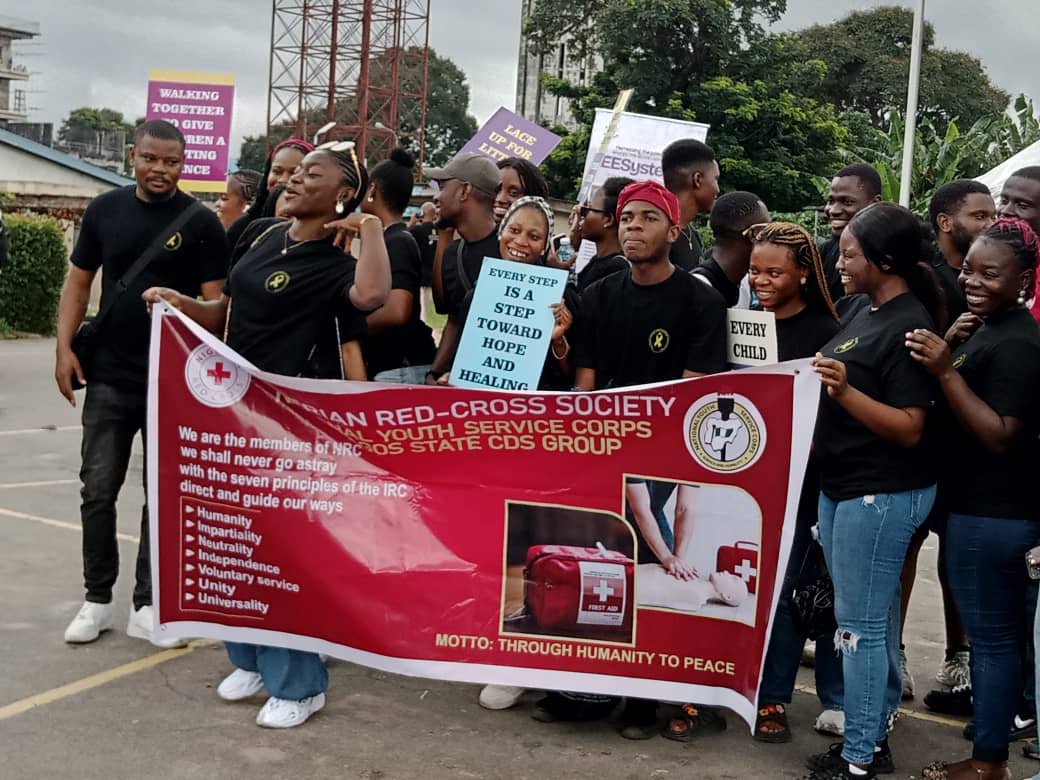
At just six years old, Agu Chioma Faith was diagnosed with kidney cancer.
Today, the 15-year-old student of Brighton Private School in Lagos looks back on the ordeal with a mixture of gratitude and lingering pain.
“My journey was so stressful and painful, injections, trips, surgeries, operations.
But it was God who took over,” Chioma recalled. “My father was the one who stayed with me. While in the hospital, I saw a child pass out. I was scared, thinking I might be next, but I asked God for encouragement.”
Chioma spent nearly a year in the children’s ward battling for her life. She credits her survival not just to medical care but also to the compassion of Dr. Nneka Nwobi, founder of the Children Living with Cancer Foundation.
“Thank God for Dr. Nwobi who paid my bills and made me feel like I am not less. The journey was not sweet. It was very stressful and painful, but thank God for His help,” she said.
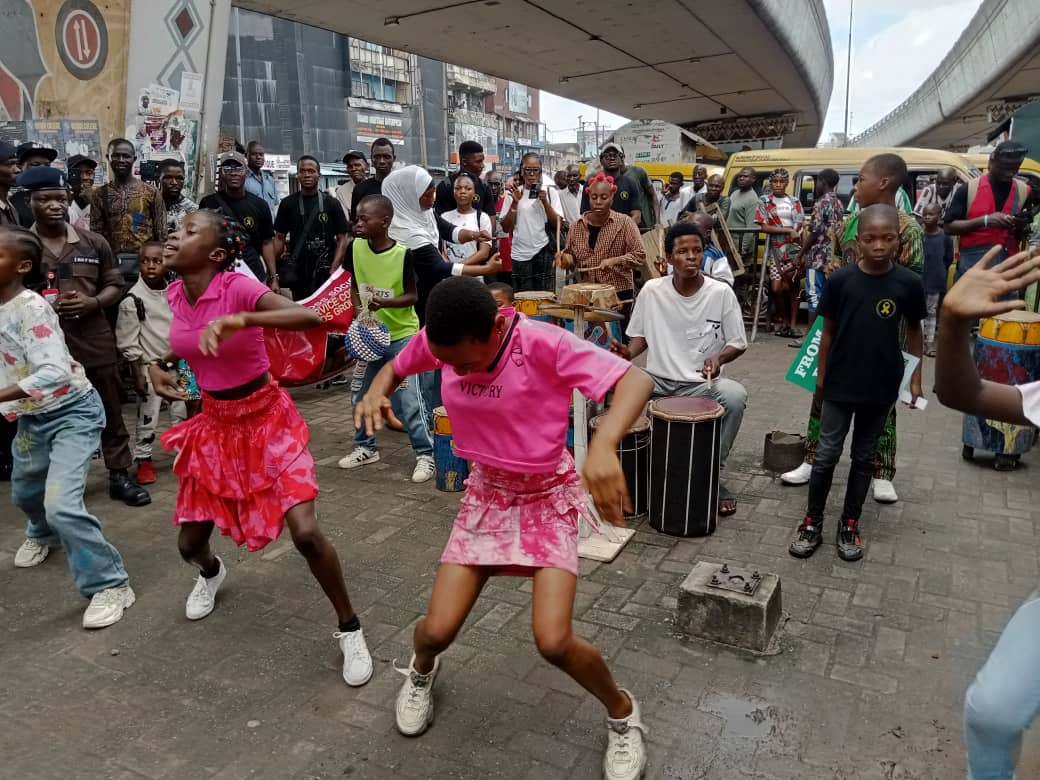
A Mother’s Battle for Her Son’s Life
The nightmare began for Mrs. Onyewuchi Ijeoma in 2015 when her husband died just as her two-year-old son, Michael, was diagnosed with blood cancer.
“I was not doing anything at the time, and I had five children to take care of,” she said, her voice heavy with memory. “They told me it was cancer of the blood. I asked if my son could survive, and the doctors said yes. They assured me nothing would happen to him. Today, here he is.”
Michael, now a lively schoolboy, remembers moments of fear and fatigue. “I was afraid something would happen to me. At some point, I was tired and bored, but I told my mum not to cry again because I felt better. I do sports once in a while, I play football,” he said with a smile.
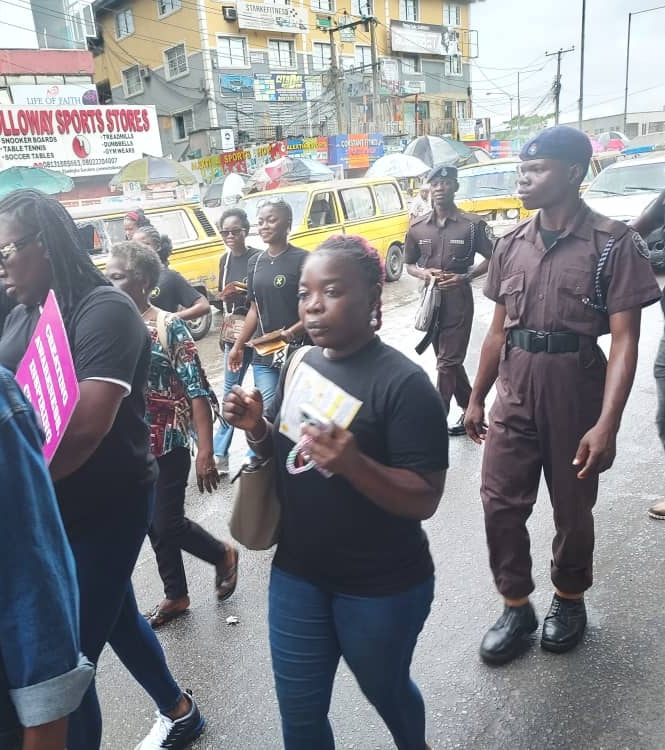
The Bigger Picture: A Heavy Burden
Dr. Nwobbi explained that September is globally recognized as Childhood Cancer Awareness Month, symbolized by the release of gold balloons. This year’s theme, “Diagnosis, No Child Left Behind”, highlights the dangers of misdiagnosis.
“There has been a lot of misdiagnosis which affects children, their parents, and even healthcare workers,” she told Radio Nigeria Online. “One parent said she has spent ₦25 million since October last year. Imagine the financial and emotional toll on families.”
To tackle this, Nigeria launched a Childhood Cancer Registry in 2023, which Dr. Nwobbi described as a major step. “It helps us know how many children have cancer, the types, treatment outcomes, and survival rates”.
This is a big breakthrough.”
Globally, the World Health Organization (WHO) reports that about 400,000 children and adolescents develop cancer yearly. Survival rates are starkly unequal, more than 80% in high-income countries but less than 30% in low- and middle-income nations like Nigeria.
Common childhood cancers include leukemias, brain tumors, lymphomas, and solid tumors such as Wilms tumor and neuroblastoma. WHO aims to raise survival rates to 60% worldwide by 2030.
Nutrition, Treatment, and Hope
Beyond medical care, Dr. Nwobbi emphasizes the importance of nutrition.
“People are what they eat. If you eat rubbish, your body is rubbish. If you eat good, your body is good,” she said.
She encourages families to grow vegetables at home, “Every home should have a garden. I have one. That way, I keep hospitals far away.”
She praised Lagos for leading in childhood cancer care. “We now have a bone marrow transplant center at LUTH.
In the next two years, we hope Nigeria will start carrying out bone marrow transplants for children.”
Yet the costs remain staggering. “Within one year, a parent spent ₦25 million and is still counting. That’s why the government must subsidize childhood cancer treatment, if not make it free. These children are our future,” she stressed.
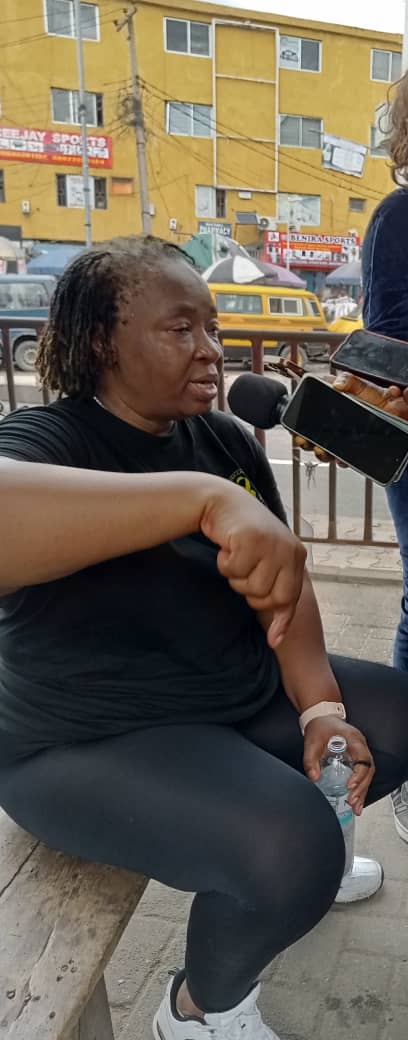
Courage Amidst Crisis
For survivors like Chioma and Michael, their stories are testaments to resilience. But for thousands of other children across Nigeria, the struggle continues.
In a quiet voice, Chioma said “The journey was not sweet. It was painful. But thank God I am here today.”