The Lagos state government in partnership with WaterAid Nigeria has held an advocacy walk within Alausa and its environs to commemorate this year’s Global Water Day.
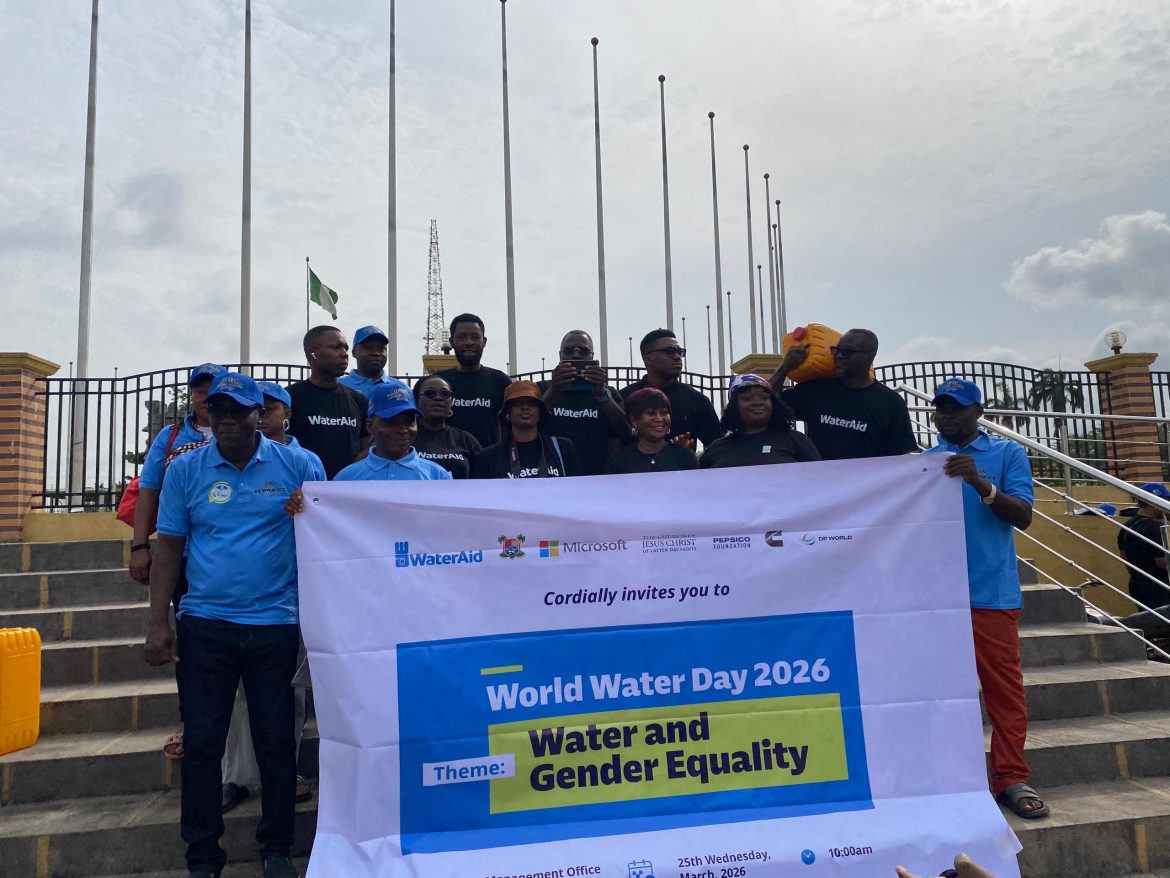
The walk which started in front of the Lagos House of Assembly via Secretariat and ended at the Ministry of the Environment and Water Resources building was led by the Permanent Secretary Office of Drainage Services, Dr Mamoud Adegbite and WaterAid Nigeria Lagos Office Team lead, Dr Adebayo Alao.
In an interview session with newsmen after the walk, representative of the Commissioner for the Environment and Water Resources, Dr. Hassan Sanuth, reaffirmed the commitment of the state government to provision of safe, affordable public water for the over twenty five million Lagos residents.
On his part, General Manager, Lagos Water Corporation, Mr Mukhtaar Tijani, who commended WaterAid Nigeria for being a reliable partner with the government in actualisation of the WASH policy called for more collaboration noting that government alone cannot provide the needed water supply for its teeming populace.
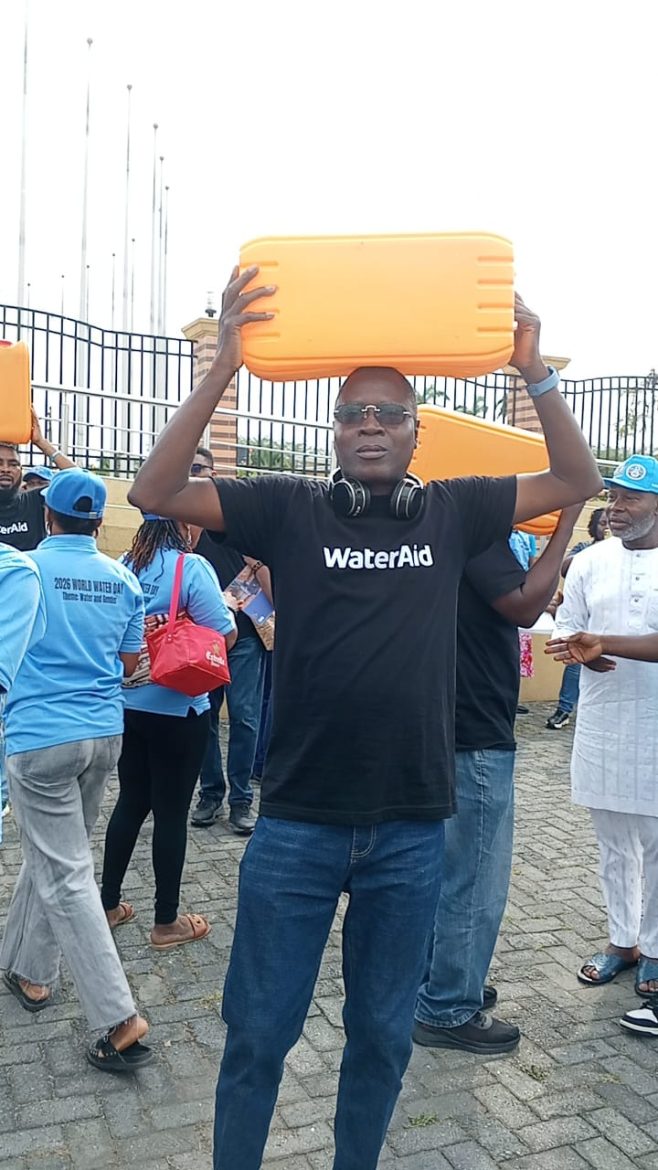
The Head of WaterAid Nigeria Lagos Office, Dr Adebayo Alao, said this year’s theme Water and Gender focuses on the pains women go through in getting water for their domestic use and called for more action plans to cushion the effects.
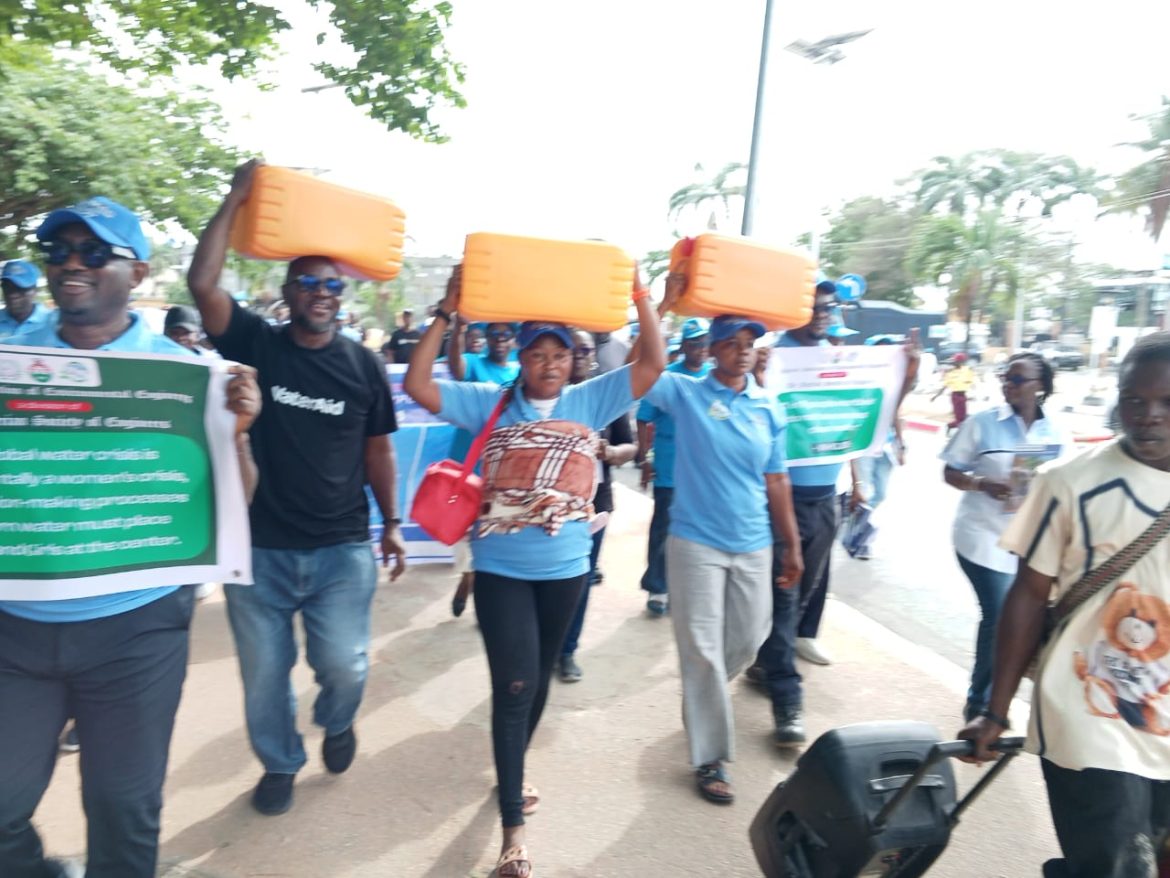
Dr Alao who advocated more women representation in governance and policy formations to break the barrier, urged the private sector to champion gender transformation in the WASH sector.
Stakeholders also called for gender inclusive and disability-sensitive policies to improve access to water and sanitation in Lagos State.
Speaking on behalf of other stakeholders, Mr Henry Adenigba, the Executive Director, Programmes of Humanity for Family Foundation for Peace and Development, HUFFPED, a Civil Society partner of WaterAid Nigeria, urged the state government to integrate gender and disability inclusion into water governance.
Mr Adenigba recommended mandatory representation of women and persons with disabilities on boards of water agencies and sector institutions in the state.
He also called for gender budgeting and impact assessments in collaboration with the Ministry of Budget and Economic Planning.
According to him, policies should support women’s leadership and economic empowerment within the water, sanitation and hygiene, WASH, value chain.
He proposed establishing a Women in WASH Leadership Fund to support female entrepreneurs through funding, mentorship and capacity building.
The highpoint of the event was a short drama presentation on non availability of water before WaterAid Nigeria interventions by WASHCOM members in focal communities in Ikorodu North Council Area.
Written by Yemisi Dada