Rising fatalities and infections among healthcare workers have heightened concerns over the spread of Lassa fever in Nigeria, prompting the Lagos State Government to activate emergency preparedness measures and launch a statewide awareness campaign.
Health authorities say the country has recorded more than 660 confirmed cases and 167 deaths between January and mid-March 2026, with the outbreak affecting 22 states and 93 local government areas.
Commissioner for Health, Akin Abayomi, described the situation as a serious public health concern, warning that infections among frontline medical personnel signal increasing transmission risks and gaps in containment efforts.
At least 38 healthcare workers have reportedly contracted the disease, with three fatalities recorded among doctors since the beginning of the year.
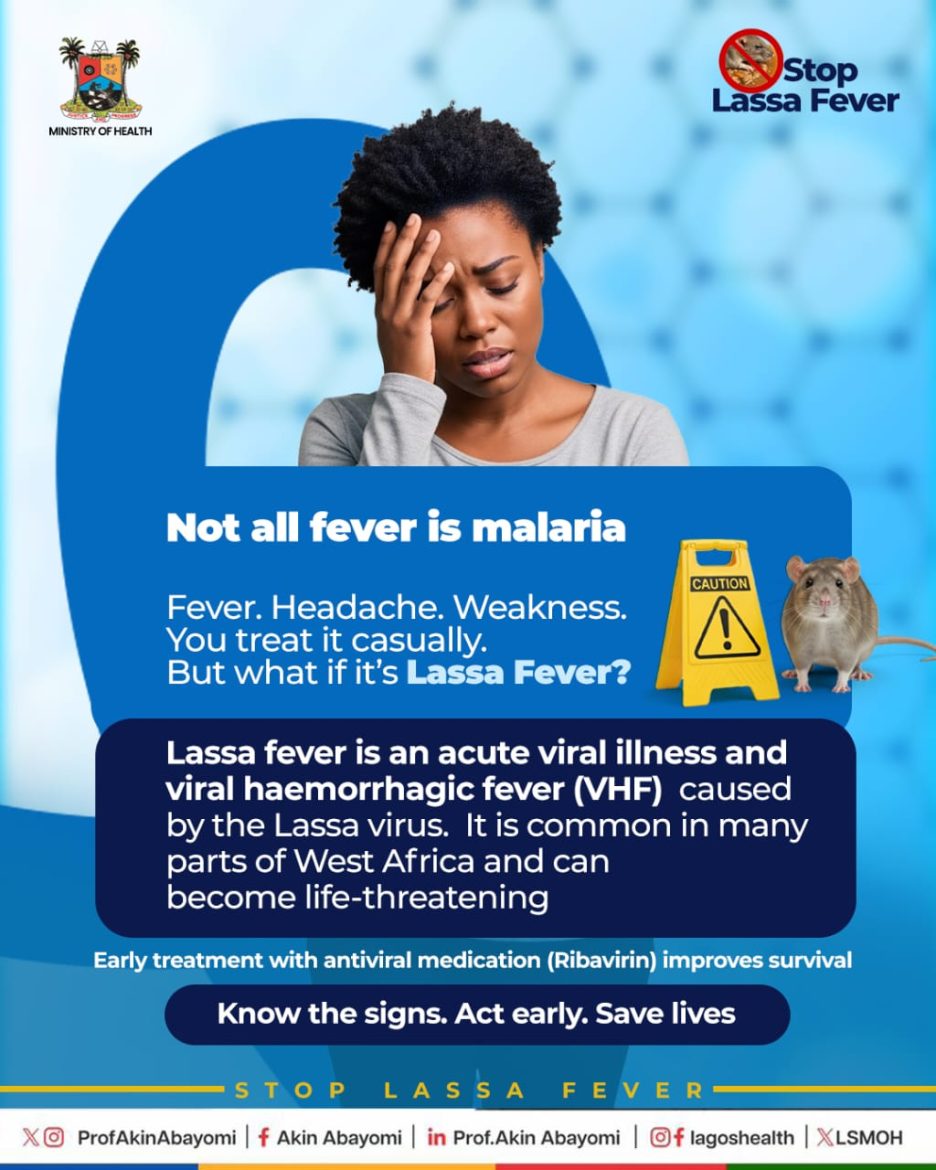
Lassa fever, a viral haemorrhagic illness transmitted primarily through contact with infected rodents or contaminated food, can also spread between humans, particularly in healthcare settings with inadequate infection control measures.
Although Lagos is not considered endemic, its large population and high mobility levels increase vulnerability to rapid disease transmission, especially through imported cases.
Health officials also warn that changing environmental conditions and increased human contact with rodent reservoirs are contributing to a shift from seasonal outbreaks to year-round transmission patterns.
According to authorities, a significant proportion of infected individuals may show mild or no symptoms but remain capable of spreading the virus, complicating detection and response efforts in densely populated areas.
To contain potential outbreaks, the state has strengthened its emergency response systems, including a 24-hour Emergency Operations Centre, enhanced disease surveillance, and ongoing training of healthcare workers in infection prevention and control.
The government is also working in collaboration with the Nigeria Centre for Disease Control, the Federal Ministry of Health, and the Irrua Specialist Teaching Hospital to improve case management and public awareness.
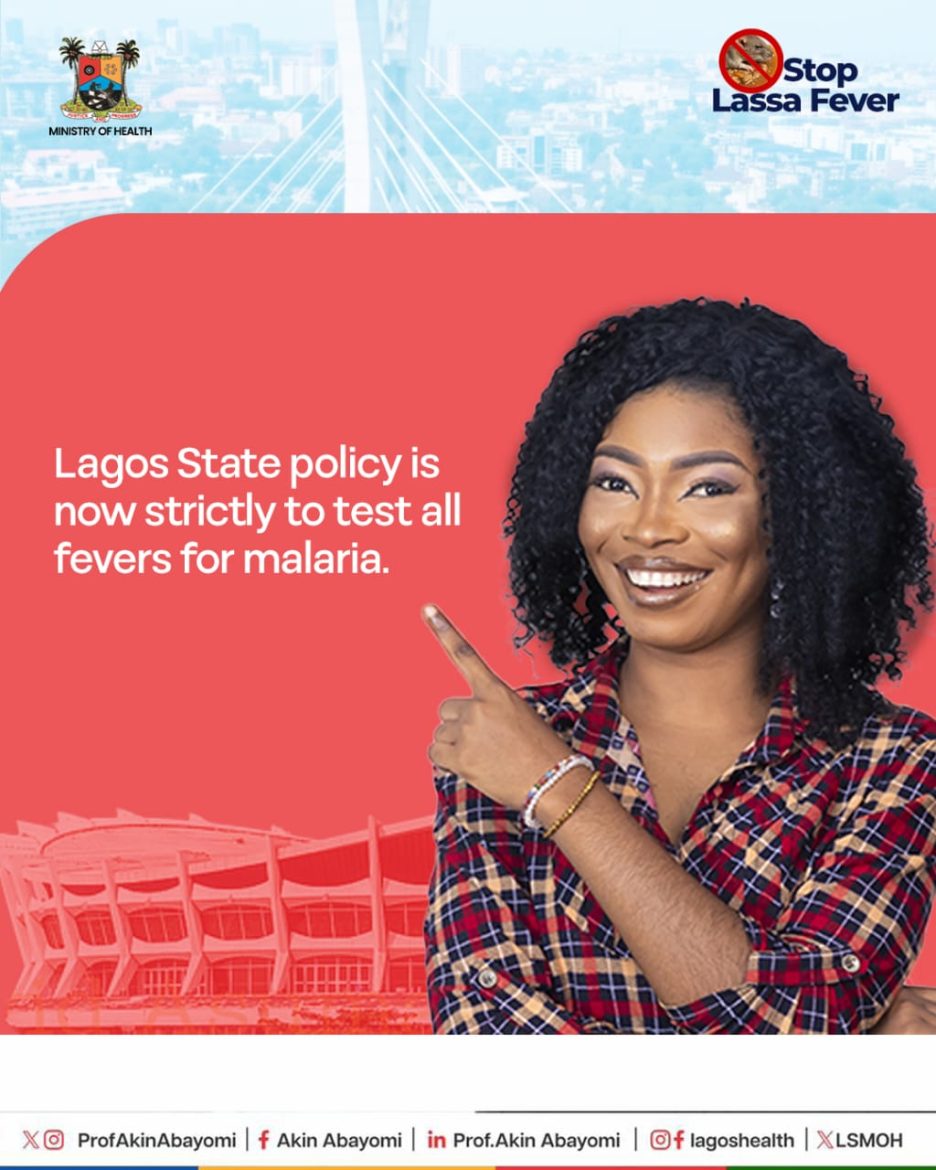
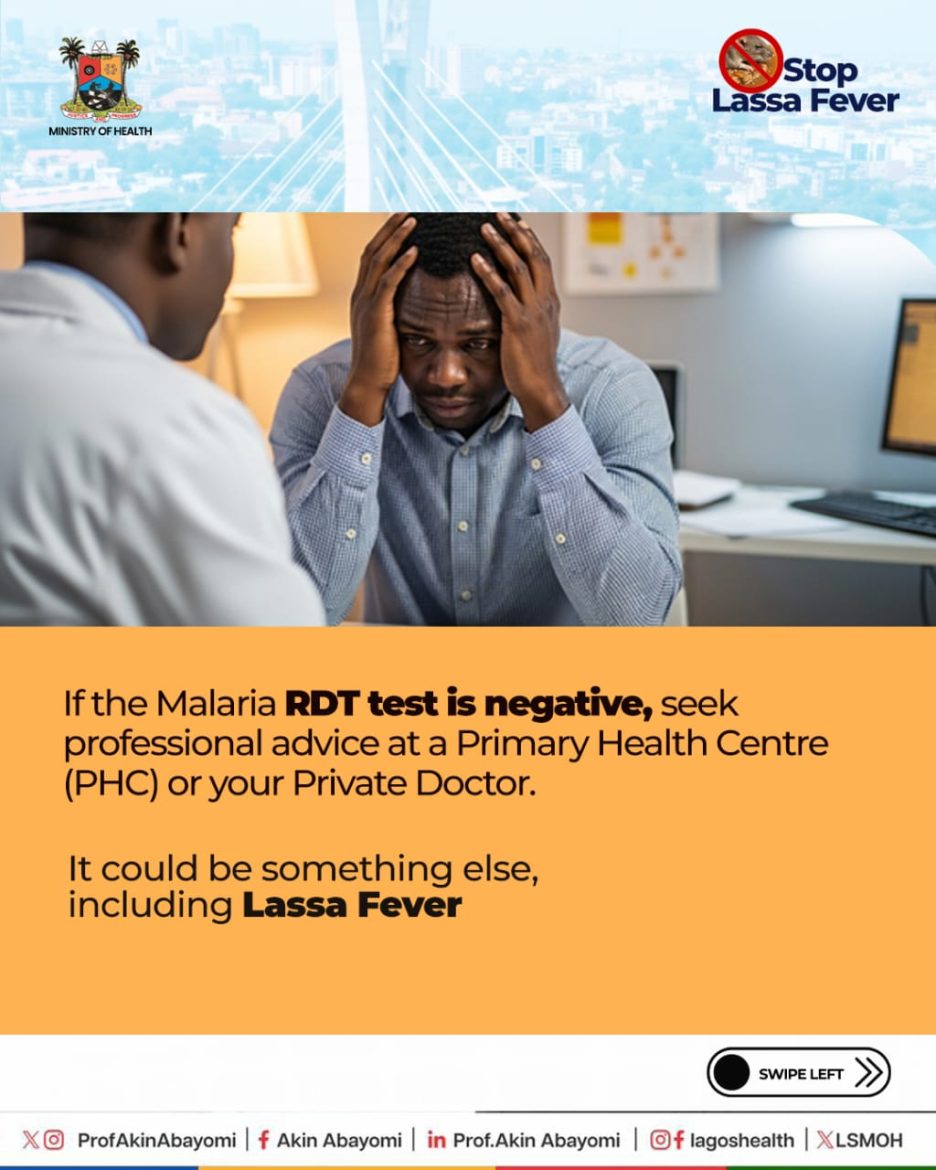
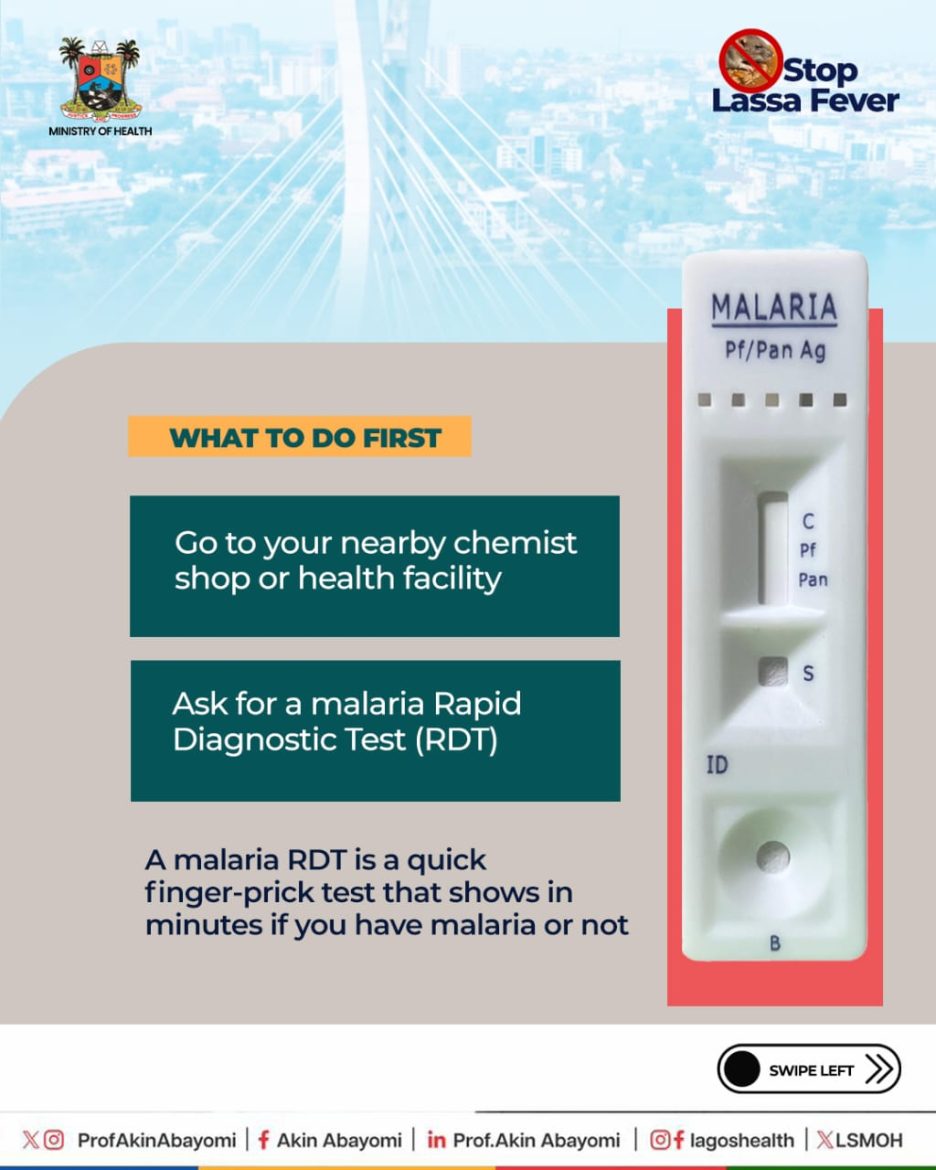
Authorities say the awareness campaign will focus on public education, early detection, and community-level prevention measures aimed at reducing transmission risks.
Residents have been advised to maintain proper hygiene, avoid contact with rodents, and seek immediate medical attention if symptoms such as fever, weakness, or unexplained bleeding occur.