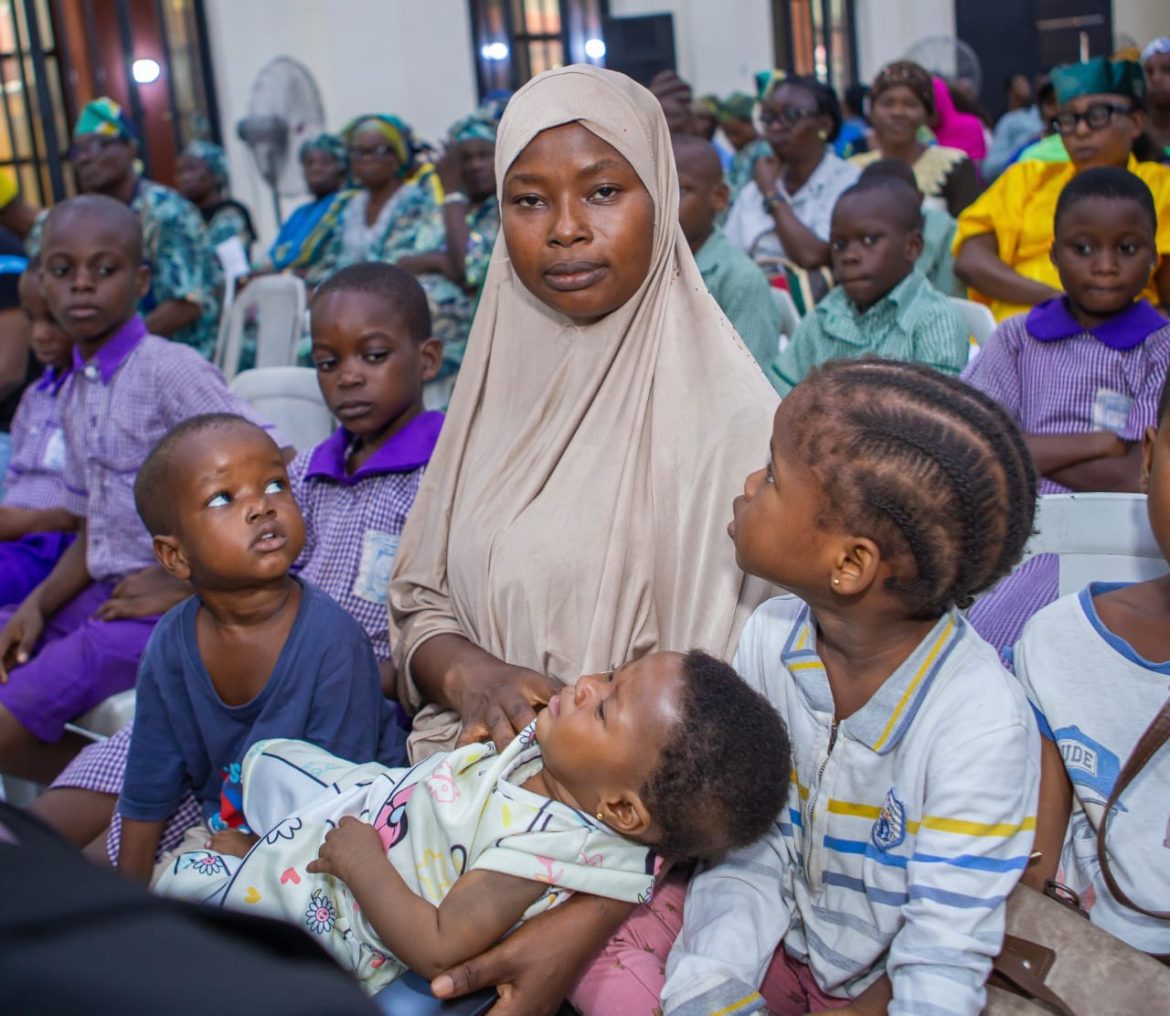
With an estimated 2.2 million zero-dose children, Nigeria has the highest number of children who have never received a single routine vaccine in Africa and ranks among the highest globally.
In a bid to reverse the trend, the United Nations Children’s Fund (UNICEF), in partnership with the Republic of Korea, has launched a targeted immunisation programme aimed at reaching unvaccinated children and strengthening routine immunisation services.
Programme Targets Six High-Burden StatesThe initiative, launched in Ajara Local Council Area of Badagry in Lagos, will focus on six states with the highest burden of zero-dose children: Lagos, Ogun, the Federal Capital Territory, Bauchi, Niger, and Adamawa.
Speaking at the launch, UNICEF Country Representative in Nigeria, Waafa Saeed, said the programme would leverage existing national and state health systems to improve vaccine delivery and rebuild community trust.
“These are not just statistics; they are real children, often living in fragile urban settlements, border communities, and hard-to-reach areas without access to essential services,” she said.
Key interventions include community mobilisation, systematic tracking of missed vaccinations, and integrated health service delivery to ensure that no child is left behind.
$5.6 Million Investment for Nigeria
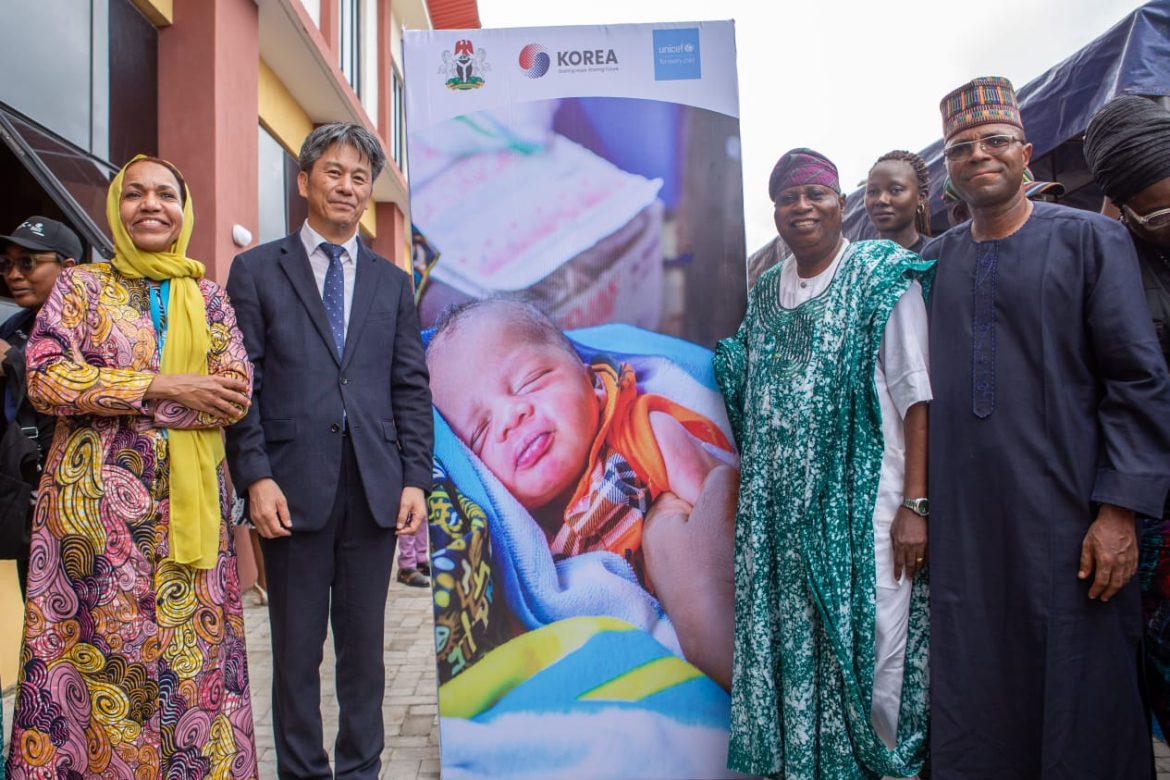
The Consul General of the Korean Embassy in Lagos, Lee Sang Ho, disclosed that the Republic of Korea has earmarked $5.6 million for Nigeria as part of a broader global partnership with UNICEF.
The funding forms part of the ACT-A global initiative, which began in 2023, with total contributions of $70 million across multiple countries.
According to Lee, the Nigeria project will run from December 2025 to December 2026, targeting 40 Local Government Areas across the six states.
He noted that Nigeria’s inclusion reflects both the scale of need and the strategic importance of addressing low immunisation coverage for global health security.
Government, Stakeholders Back Initiative
Chairman of Badagry Local Government, Babatunde Hunpe, described immunisation as a critical tool for community protection and development.
“When a child is vaccinated, it builds a wall of protection around the entire community. Diseases like measles, polio, and meningitis are preventable through routine immunisation,” he said.
He urged residents, particularly mothers and caregivers, to embrace the programme and ensure children receive life-saving vaccines.
Strengthening Nigeria’s Health System
Representing the Federal Government, the National Primary Health Care Development Agency (NPHCDA) revealed that over 17,600 healthcare providers have been deployed nationwide to support immunisation efforts.
Health officials from Lagos and Ogun states also highlighted the urgency of addressing zero-dose and under-immunised children, describing the initiative as a data-driven intervention to expand equitable access to vaccines.
Aligning with Global Development Goals
The programme aligns with key **United Nations Sustainable Development Goals, particularly:
SDG 3: Good Health and Well-being
SDG 10: Reduced Inequalities
SDG 17: Partnerships for the Goals
Stakeholders expressed optimism that the collaboration will significantly improve immunisation coverage, strengthen primary healthcare systems, and safeguard the future of millions of Nigerian children.
Reporting by Julie Ekong