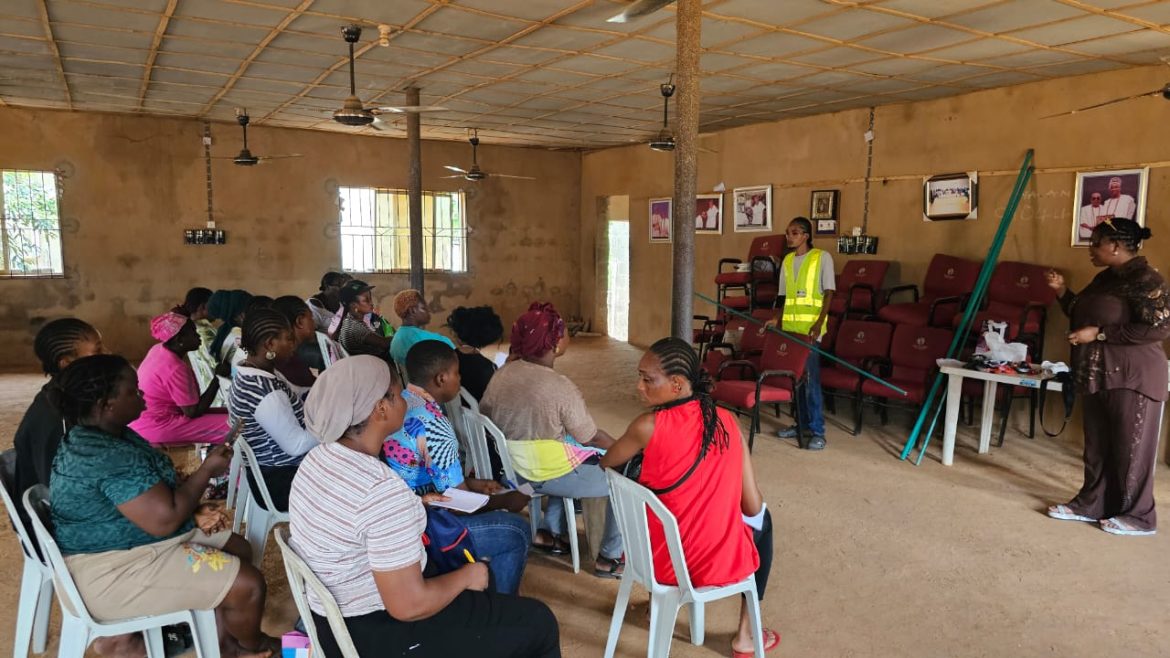
Female Local Area Mechanics, LAMs, have undergone a three day training on technical skills required for the maintenance and repair of Water, Sanitation and Hygiene, WASH, facilities in beneficiary communities across Lagos which included Ikorodu North, Igando and Ojodu LCDAs.
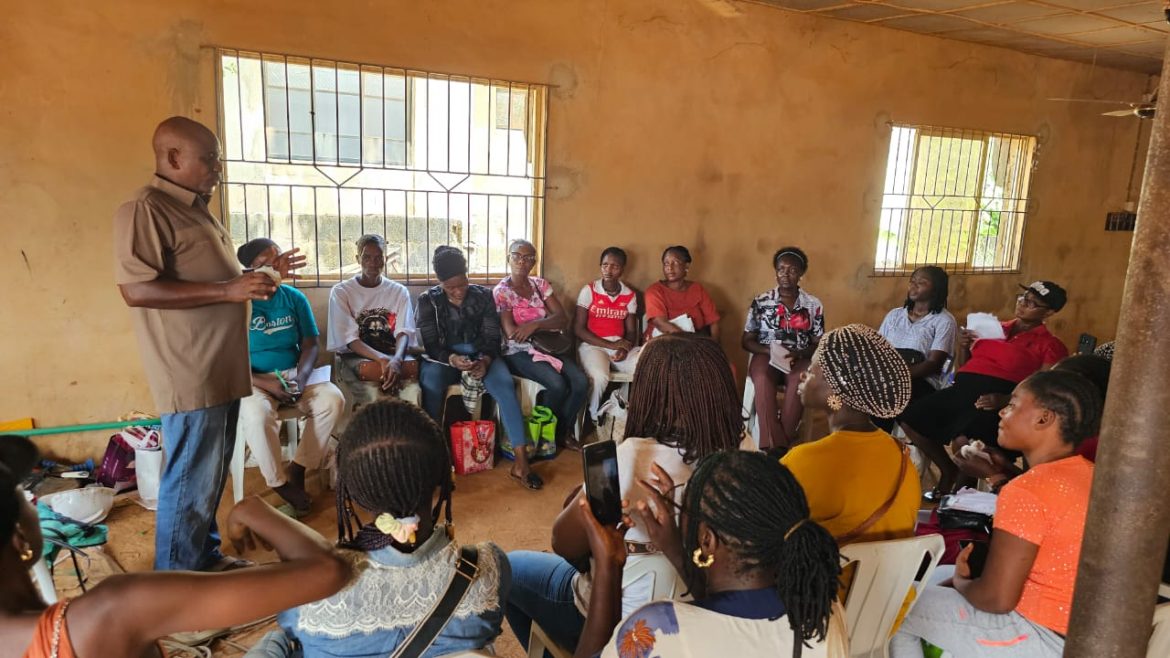
The training organised by WaterAid Nigeria with support of DP World was designed to equip the women with practical knowledge to independently maintain and repair WASH infrastructure provided by WaterAid Nigeria, thereby making money for themselves while ensuring the sustainability and functionality of the facilities for community residents.
Speaking during the capacity-building programme, Sanitation and Hygiene Manager, WaterAid Nigeria, Mr Dare Oduluyi, said the initiative forms part of efforts to strengthen community ownership of WASH projects and reduce dependence on external technicians for routine maintenance and minor repairs.
Speaking during the engagement, Mr Oduluyi urged community members to work closely with environmental health officials and local government authorities to curb unsafe waste disposal practices.
According to him, reports of such violations should be directed to the Environmental Health Department of the local government, noting that environmental health officers are readily available within communities and play a critical role in protecting public health.
He explained that the actions of a single individual can endanger an entire community, stressing that one person engaging in poor sanitation practices can contaminate the environment and expose other residents to diseases, even when the majority observe proper hygiene and sanitation standards.
Mr Oduluyi emphasized the need for collective vigilance, saying communities should not wait until the consequences of poor sanitation negatively affect residents before taking action.
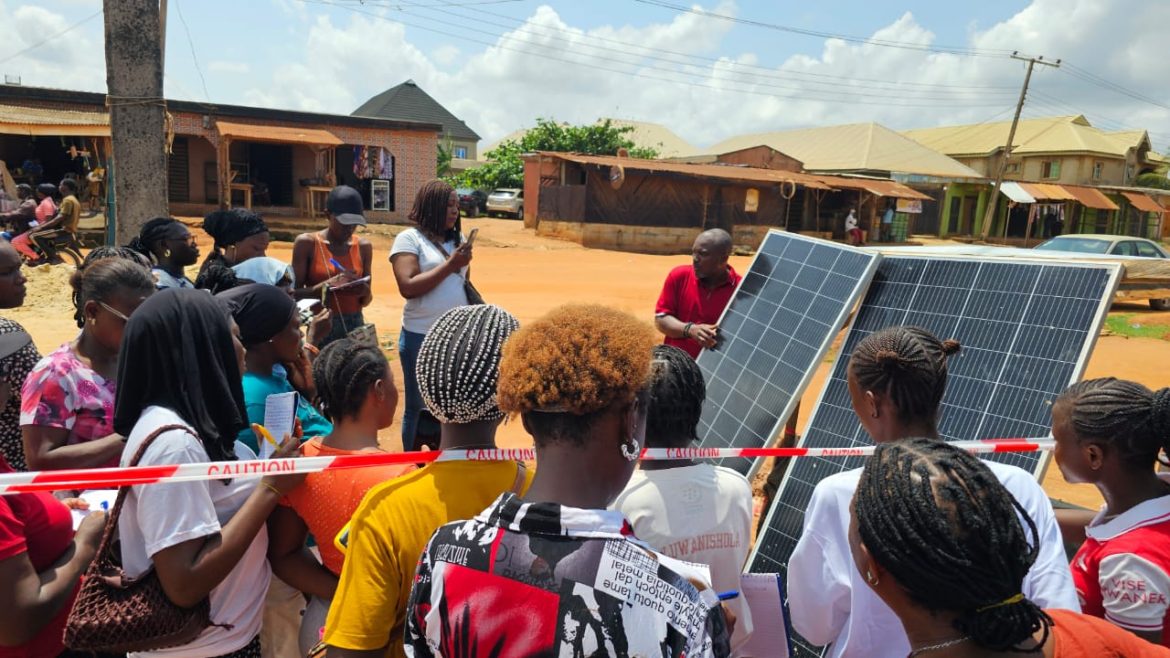
Participants received hands-on training in plumbing techniques, including the installation, maintenance and repair of water supply systems, as well as troubleshooting common faults in WASH facilities.
The training also covered the installation and maintenance of solar-powered systems used to support water schemes in various communities.
According to the facilitators, empowering women with technical and vocational skills not only improves the longevity of WASH facilities but also creates opportunities for economic empowerment and leadership within their communities.
One of the Facilitators who took the participants on Plumbing techniques, Mr Terse Garba, believed that women could thrive in the sector if they put their mind into it through regular engagement on the field noting that Pluming work is not for the weak.
He encouraged the female LAMs to research and learn the knitty gritty of the job to be a sought after professional.
On his part, another Facilitator, Mr Emmanuel Odukoya who spoke on waste management in the WASH sector advised participants to desist from shallow knowledge and learn different methods of channelization to allow for free flow in drainages, urging them to avoid using materials that are not biodegradable.
Some of the participants who are enthusiastic about going to the field thanked WaterAid Nigeria and DP World for the opportunity noting that what a man can do a woman can do much better.
One of the participants, Alabi Felicia who said she is female LAM said “I’ve learnt amazing things like from plumbering to solar panels, to installing the solar panel, to connecting the solar panel to the submersible and surface pump and making sure it works effectively and also we were also taught safety”.
WaterAid Nigeria expressed confidence that the newly trained Female LAMs would serve as frontline responders in ensuring that water and sanitation facilities remain functional, accessible and sustainable for the benefit of residents in the beneficiary communities.
Written by Yemisi Dada