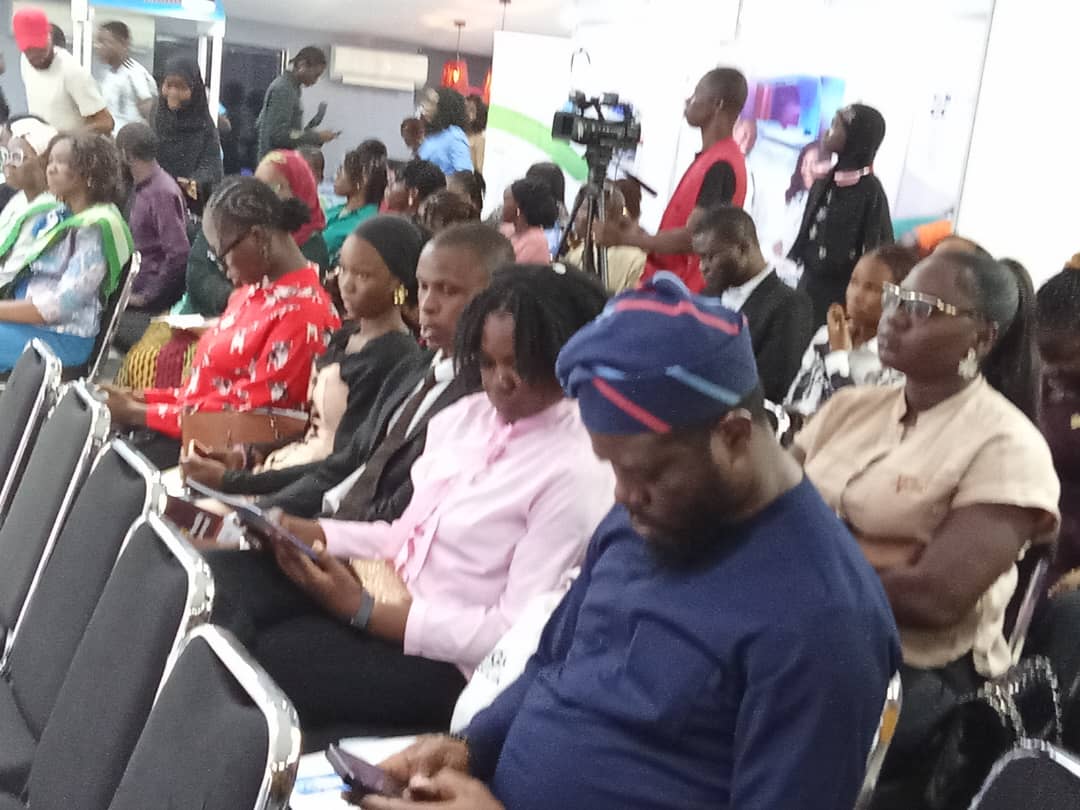
Maternal healthcare expert and the Chief Executive Officer, HIGC Health Consultant, Dr. Owen Omo-Ojo, has warned that maternal mortality has continued to pose a major public health challenge across Africa despite significant advances in antenatal care.
She made this known while delivering the “Stark Assessment” during the 6th Maternal and Child Health Summit held in Lagos, where stakeholder vowed to confront the stubborn maternal health statistics in Nigeria.
Dr. Omo-Ojo commended organisers Safer Hands for building what she called “One of Nigeria’s foremost platforms for advancing dialogue, collaboration, and innovation in maternal and child health”.
“The summit has become a critical space where policymakers, clinicians, and community actors can move beyond rhetoric to practical solutions for saving mothers’ lives”.
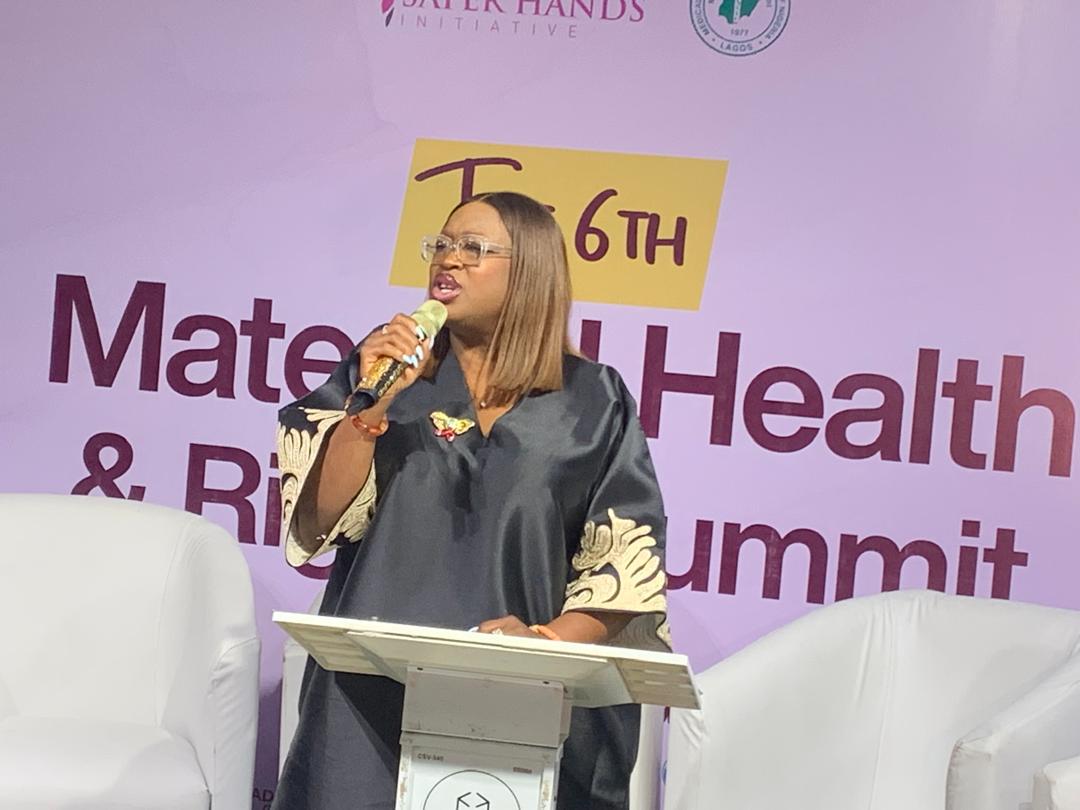
She explained that the summit theme, “Advancing Maternal and Child Health Through Community-Based and Technology-Driven Care,” was described by the maternal health advocate as both timely and deeply relevant.
Dr Omo-Ojo stressed the theme captures an essential truth Nigeria must embrace as maternal health cannot be improved by facility-based care alone if communities remained unprepared and underserved.
As a public health physician, Dr. Omo-Ojo noted that safe motherhood is a continuum.
“The journey to safe motherhood begins at the community level, continues through pregnancy, delivery, and the postpartum period, and depends largely on a health system that is well-prepared, responsive, inclusive, well-funded, and equipped to act quickly,” she told participants at the Lagos event.
“Postpartum Haemorrhage, commonly known as PPH, remains the intervention closest to her heart because it had continued to claim the lives of women who should survive childbirth”.
She reminded everyone that, most deaths are preventable through early detection of bleeding, properly trained health workers, availability of essential commodities, and functional referral systems that move patients fast.
This reality, she pointed out, is why evidence-based solutions such as E-MOTIVE becomes imperative for Nigeria’s context.
To work on this, Health Consultants is adopting the E-MOTIVE bundle, not only in public healthcare institutions but also in private hospitals and clinics where about 70% of healthcare access in Nigeria actually occurs.
Dr. Omo-Ojo broke down why the E-MOTIVE approach works: the use of calibrated blood collection drapes removes guesswork from blood loss estimation, while the rapid treatment bundle ensures timely intervention once bleeding is detected, calling the protocol simple, practical, and scalable, expressing joy that the overwhelming data now proves it actually saves lives.
She warned that no one intervention, organisation, or sector can solve Nigeria’s maternal health challenge because the problems are multifaceted.
Dr. Omo-Ojo urged sustained commitment to frontline health worker training, health systems strengthening, community health interventions, and partnerships that deliver measurable impact.
She said Nigeria must continue to uphold and champion the belief that every woman deserves respectful, timely, and quality care regardless of where she lives or what she earns.
Closing the goodwill message, the CEO charged stakeholders to turn the ideas shared into policies, programmes, partnerships, and practical interventions that would reach the women who need them most.
Dr Omo-Ojo reminded everyone that “When a mother lives, a child has a better chance at a bright future. A family is protected. A community is strengthened, and a nation is preserved.
The President, Medical Women Association of Nigeria, MWAN, Lagos State Chapter who is also Medical Director Apapa General Hospital, Dr Ime Okon in his keynote address insisted that, community base care must ensure health services are closed to emulation because they are culturally acceptable and accessible, delivering services with emphasis on trust.
She urged the health care workers, midwives and traditional birth attendants to move their expertise with trust and care closer to the community where people live.
The MWAN President explained that the skilled child birth delivery increases when communities are engaged, and immunization coverage rises.
Talking about the importance of strengthening community level, illness will not just be treated, it will be prevented, noting that prevention is cheaper and better than cure.
“Transformative growth of technology which is the second part, technology is no longer optional in health care, it is very essential”, Okon stated