The Lagos State Government has reaffirmed its commitment to strengthening accountability in nutrition financing, describing investment in nutrition as a critical component of human capital development and sustainable economic growth.
The commitment was reiterated by the Lagos State Ministry of Economic Planning and Budget during a capacity-building training on the National Nutrition Budget Tracking System (NNBTS) held in Lagos.
The training, organised by Civil Society Scaling Up Nutrition in Nigeria (CS-SUNN), focused on the use of the NNBTS, a pioneering tool designed to track nutrition funds from budget allocation through implementation and ensure greater transparency in nutrition spending across the country.
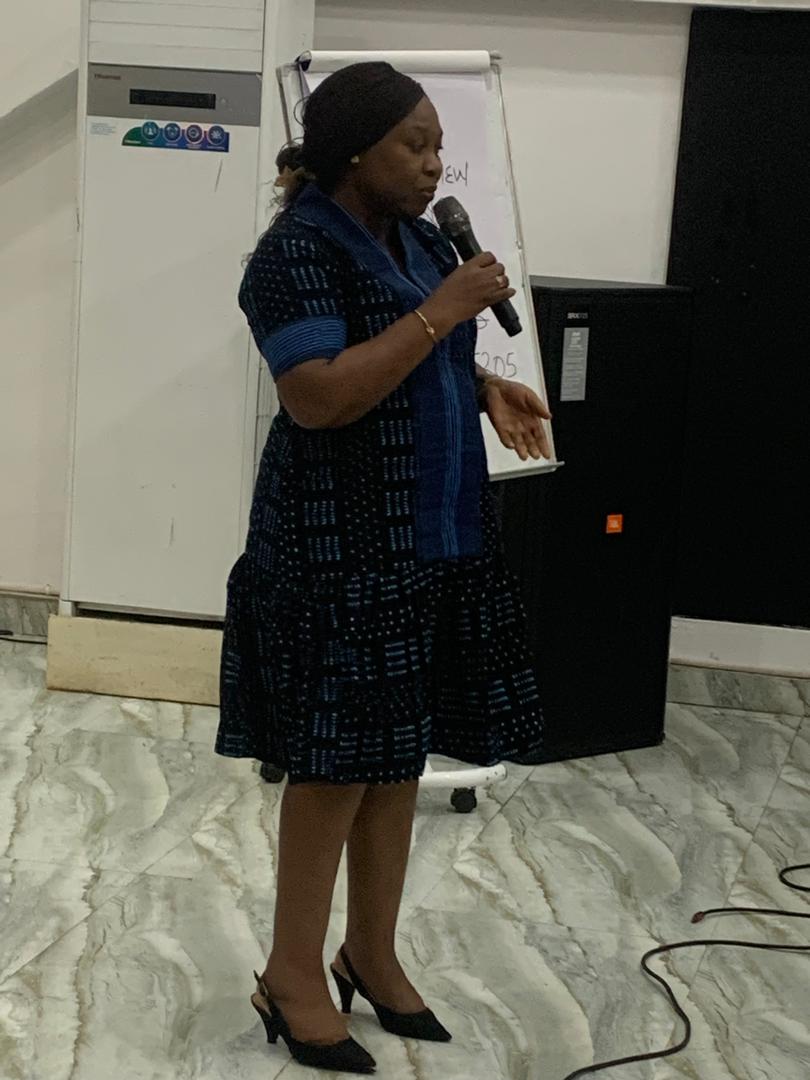
Speaking at the event, the Permanent Secretary of the Ministry, Mrs. Olayinka Modupe-Ojo, commended CS-SUNN for bringing together key stakeholders dedicated to improving nutrition outcomes in Lagos State.
Mrs. Modupe-Ojo described the training as timely, noting that nutrition remains fundamental to health, productivity and national development.
She stressed that no society can attain sustainable growth when a significant proportion of its population suffers from malnutrition, particularly women, children and other vulnerable groups.
According to her, malnutrition continues to pose serious health and socio-economic challenges, undermining productivity and development efforts across communities.
The Permanent Secretary emphasized that addressing the problem requires a collaborative approach involving government agencies, civil society organisations, development partners and the private sector.
She also praised CS-SUNN for its sustained advocacy and efforts in promoting accountability in nutrition programming, noting that the organisation has remained instrumental in keeping nutrition issues on the policy agenda.
Mrs. Modupe-Ojo stressed the need for nutrition priorities to be fully integrated into government planning and budgeting processes, adding that nutrition-sensitive budgeting is essential for achieving development goals and improving the well-being of citizens.
She described nutrition expenditure as an investment in people rather than merely a health intervention.
“Investment in nutrition is an investment in human capital and sustainable development,” she said, urging stakeholders to accord nutrition financing the same level of importance as investments in infrastructure and education.
The Permanent Secretary noted that the NNBTS would help strengthen monitoring mechanisms and ensure that resources allocated for nutrition programmes reach intended beneficiaries.
She called on participants to apply the knowledge gained from the training to promote evidence-based decision-making and improve accountability in nutrition interventions.
Mrs. Modupe-Ojo further urged stakeholders to deepen collaboration and share best practices aimed at improving food and nutrition security across the state.
Also speaking at the training, Senior Programme Officer of CS-SUNN, Mr. Kunle Ishola, said Lagos State has recorded gradual improvements in nutrition budget performance over the last five years.
Presenting an overview of nutrition financing in Nigeria with particular focus on Lagos State, Mr. Ishola noted that actual releases for nutrition interventions now compare more favourably with approved budget allocations than in previous years.
Despite the progress, he expressed concern over the persistent funding gap between released funds and the financial requirements contained in the Lagos State Multisectoral Plan of Action for Nutrition (LSMPAN).
According to him, available funding remains significantly below the level required to effectively implement nutrition programmes outlined in the state’s costed nutrition plan.
Mr. Ishola warned that the shortfall could hinder efforts to achieve nutrition targets, particularly for women and children.
He explained that the LSMPAN remains the key benchmark for assessing nutrition financing in Lagos State and urged Nutrition Desk Officers to evaluate budget performance against the plan’s projected funding needs rather than approved allocations alone.
The CS-SUNN official stressed the importance of adequate and sustained financing to ensure the successful implementation of nutrition interventions and improved health outcomes across the state.