Media professionals have been charged to do more as watchdogs by spotlighting issues and advocate for improved policies and funding.
This they can do through ethical and accurate reporting as the media is meant to bridge the gap between communities and the health system, which will drive positive outcomes for women, children, and families within and outside Lagos State.
Director, Family Health and Nutrition, Lagos State Ministry of Health, Dr. Latifatu Adeleye noted the State government had progressed in areas like immunization, family planning, deworming, and adolescent health, but there is the need for stronger public awareness.
“We urge media professionals to amplify messages about the 329 PHCs and 28 secondary health facilities across Lagos offering vital services,” she said.
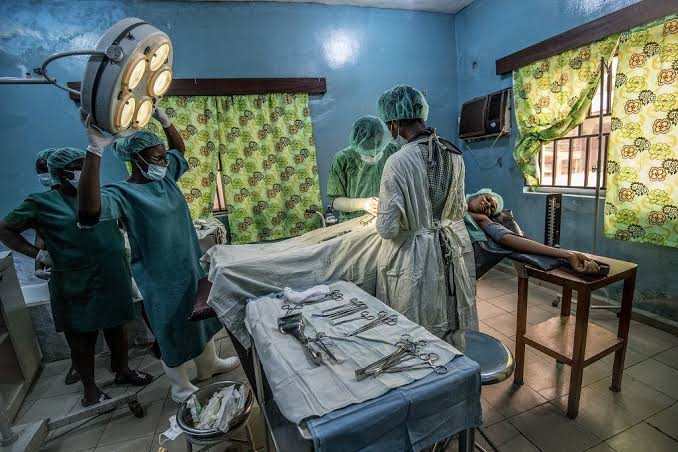
The meeting identified key challenges to include, Inadequate Infrastructure in many PHCs, Shortage of skilled healthcare personnel, high brain drain and Low public patronage of PHCs due to trust gaps
Others are, Poor access to clean water, equipment, and basic amenities, Insufficient budgetary allocations and weak accountability as well as Gaps in family planning supplies and implementation of PHCCOUR.
In a Keynote address, the Executive Director of the International Society of Media in Public Health ISMPH, Chief Mrs. Moji Makanjuola, MFR, underscored the indispensable role of the media in shaping public perception, mobilizing support, and holding health stakeholders accountable.
“In a state as dynamic and populous as Lagos, strategic media engagement is vital for combating misinformation, driving positive health behaviors, and influencing policy,”
She said. “We have the power, the voice, and the tools to spark systemic change that saves lives. Let us use them to highlight gaps and solutions in our health system.”
Makanjuola emphasized that when Lagos gets it right, Nigeria and Africa at large can follow suit, especially in eliminating preventable maternal and child deaths.
A representative of the Lagos State Primary Health Care Board, Mrs. Adesola Honfor, stated that efforts had been made to provide integrated and preventive healthcare, stressing that residents needed to take charge of their health by taking advantage of available services.
At a technical session that tackled ethical journalism in health reporting, Mr. Boniface Kassam cautioned media professionals against sensationalism and breach of patient confidentiality but instead advocated for fact-based, respectful storytelling that supports public health.
Mr. Solomon Dogo, National Programmes Director at ISMPH, emphasized the importance of Primary Healthcare Centers (PHCs) in reducing mortality among women and children, especially in underserved communities.
“Primary health facilities are the closest and most accessible for many Nigerians. The government has invested significantly in them, but without community awareness and proper media coverage, uptake will remain low,” he stated.
According to Mr. Dogo, the training is part of a three-year pilot project being implemented in Lagos, Kano, and Kaduna States, aimed at leveraging media to improve RMNCAH+N outcomes.
The workshop highlighted grim statistics of about 88 million Nigerians living in extreme poverty, many PHCs are dilapidated, and systemic challenges such as insufficient funding, staff shortages, commodity gaps, poor data access, and inadequate community sensitization to impeding the progress.
To bolster the role of the media in improving public awareness and accountability in healthcare delivery, particularly around Reproductive, Maternal, Newborn, Child, Adolescent Health and Nutrition (RMNCAH+N), the Lagos State Ministry of Health in collaboration with the International Society of Media in Public Health (ISMPH) and the EngenderHealth Consortium Partnership hosted a 3-day intensive Media Capacity-Building Workshop in Lagos.
The 3-day Capacity-Building workshop was put together by the Lagos State Ministry of Health in collaboration with the International Society of Media in Public Health (ISMPH) and the Engender Health Consortium Partnership for media professionals from various platforms, to enhance their skills in accurate, ethical, and impactful health reporting, especially on critical issues affecting women, children, and adolescents.