Nutrition experts have called on the Federal Government to strengthen policies and support systems for breastfeeding to reduce Nigeria’s high malnutrition rates and meet global targets.
Despite efforts to promote breastfeeding, Nigeria still struggles with low rates—only 29% of mothers initiate breastfeeding early, and just 36% practice exclusive breastfeeding in the first six months.
This falls far below the 65% target set for 2025 and lags behind countries like Sri Lanka, which has achieved over 90% compliance.
In an interview with Radio Nigeria, Muhammad Okorie, Social Policy Manager at UNICEF Lagos, emphasized that breastfeeding is crucial in combating malnutrition.
“Breastfeeding is not just a biological function—it ensures proper child development, disease prevention, and long-term societal benefits,”Okorie stated.
“However, Nigeria’s progress is hindered by weak policy enforcement, such as inadequate maternity leave and lack of breastfeeding-friendly workplaces.” He noted that if all states adopted policies like six months of paid maternity leave and established breastfeeding-friendly spaces, Nigeria could significantly improve its rates.
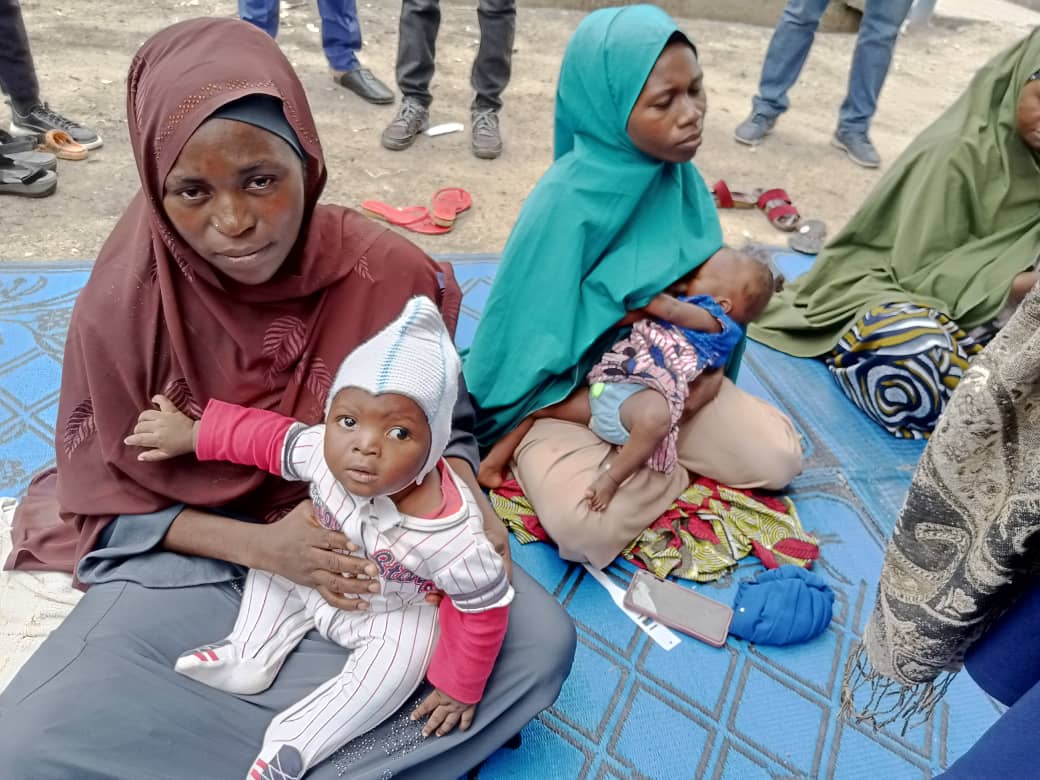
Systemic Support Needed for Lasting Change
The theme for 2025 World Breastfeeding Week, “Prioritize Breastfeeding and Create Sustainable Support Systems,” aligns with the need for holistic interventions.
Okorie stressed that support must come from homes, communities, and workplaces to enable mothers to breastfeed exclusively for six months and continue for up to two years with complementary feeding.
“Negative social norms, like giving babies water instead of breast milk, undermine progress,” he explained.
“Families and employers must create an enabling environment for mothers.”
Sunday Okoronkwo, Executive Secretary of Civil Society Scaling Up Nutrition in Nigeria (CS-SUNN), described breastfeeding as a cost-free, divine strategy to fight malnutrition. “Exclusive breastfeeding for six months, followed by complementary feeding, boosts immunity, brain development, and prevents stunting,” he said.
“Many mothers unknowingly sabotage this by introducing water too early, reducing the baby’s milk intake.”
State-Level Efforts Show Promise
In Enugu State, authorities are ramping up awareness campaigns. Mrs. Clara Nwakaego, Chair of the State Committee on Food and Nutrition, noted that while progress is slow, more mothers are embracing breastfeeding, especially amid rising costs of formula milk.
“We use platforms like the August Women’s Meeting to educate mothers,” she said. “With sustained advocacy, we can shift behaviors and save children from malnutrition.”
Experts agree that policy enforcement, workplace support, and community education are key to helping Nigeria meet—and even surpass—its breastfeeding targets, ensuring healthier futures for children nationwide.