Across Cameroon, more than a million people are trapped in limbo, forced from their homes by violence, weather disasters, and political instability, as the country grapples with one of Africa’s most under-reported humanitarian crises.
From makeshift tents in the flood-prone Far North to abandoned villages in the conflict-torn Anglophone regions, families face daily threats from both bullets and hunger, despite repeated promises of peace and aid.
“This is not just an Anglophone crisis anymore,” said Moussa Adoum, spokesperson for the International Organization for Migration (IOM) in Yaoundé.
“Every region now hosts displaced families, and the numbers are still climbing.”
As of March, the UN Office for the Coordination of Humanitarian Affairs (OCHA) reported more than 1.04 million people internally displaced, up from 930,000 in early 2023.
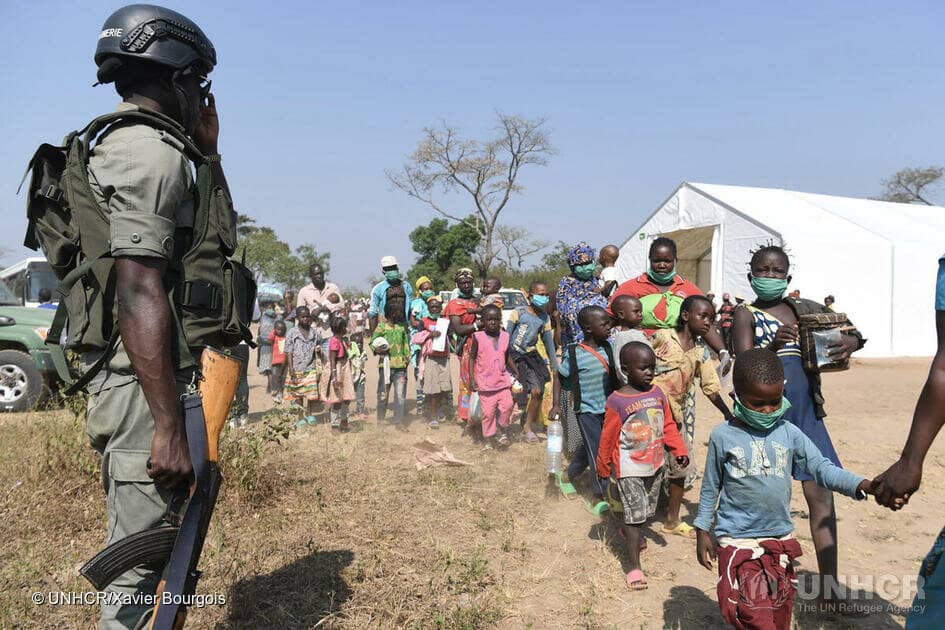
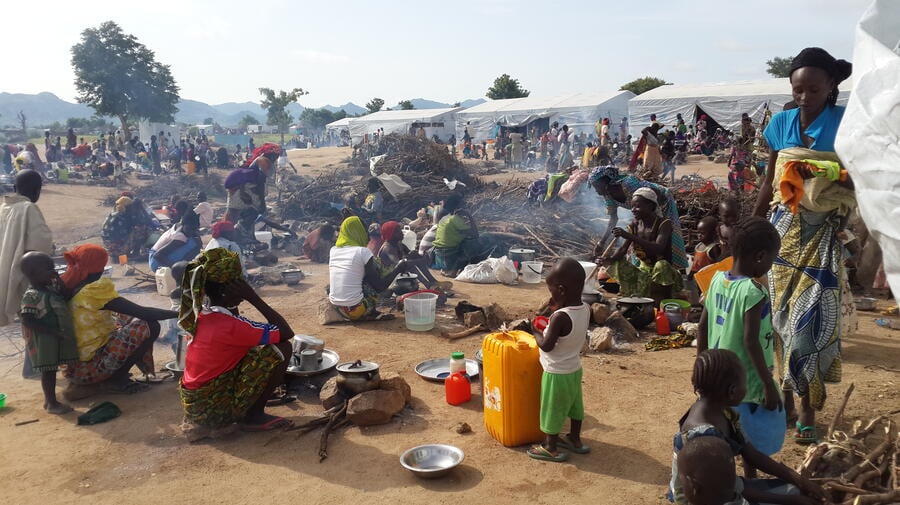
In addition, the UN Refugee Agency (UNHCR) says over 431,000 refugees from neighboring countries, mainly Nigeria and the Central African Republic, have sought shelter within Cameroon.
A Crisis on Multiple Fronts
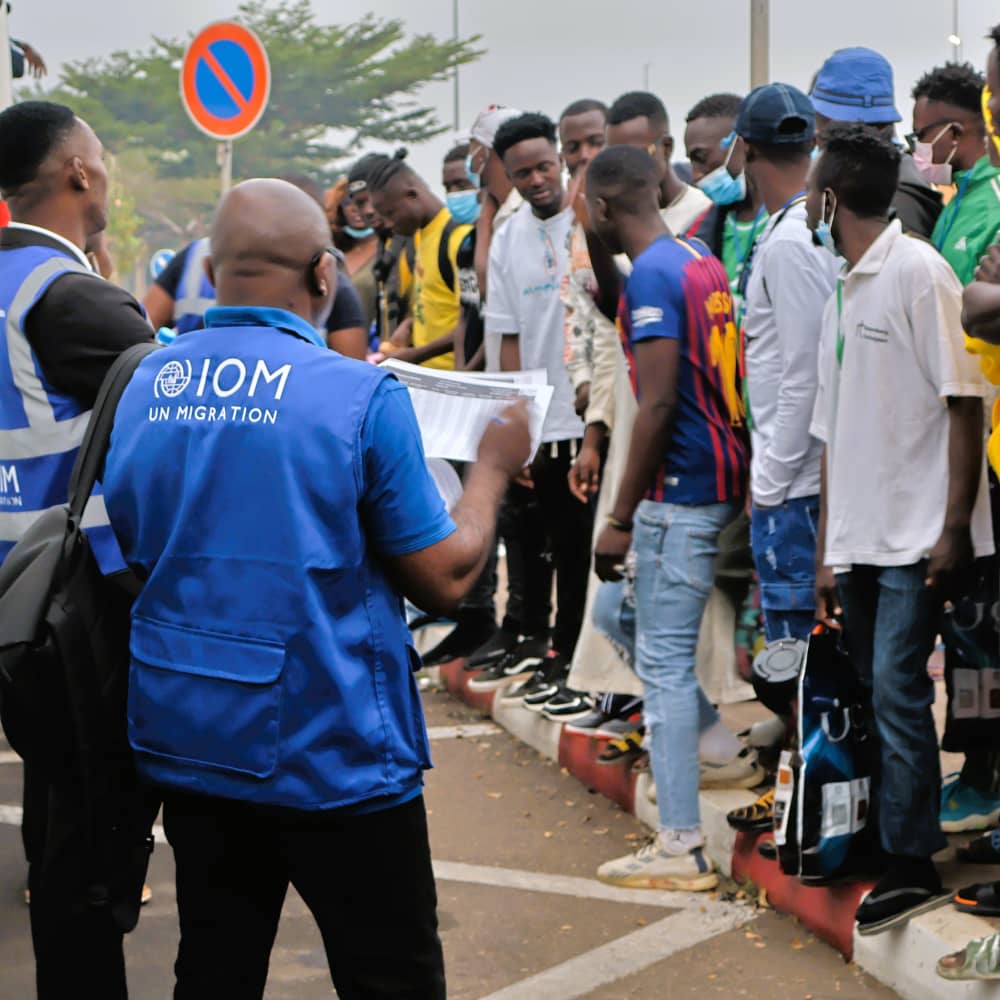
The root causes of Cameroon’s displacement crisis are deeply layered:In the Northwest and Southwest, sporadic clashes between separatist fighters and government forces have persisted into 2025, rendering entire communities unstable.
In the Far North, Boko Haram and Islamic State affiliates continue cross-border raids, while climate shocks, especially the 2023–2024 floods and droughts, have wiped out homes and harvests.
Elsewhere, slow-burning economic decline and weak infrastructure compound the suffering.
“Cameroon is now shouldering three crises at once: conflict, insecurity, and climate shocks,” said UN Resident Coordinator Allegra Baiocchi.
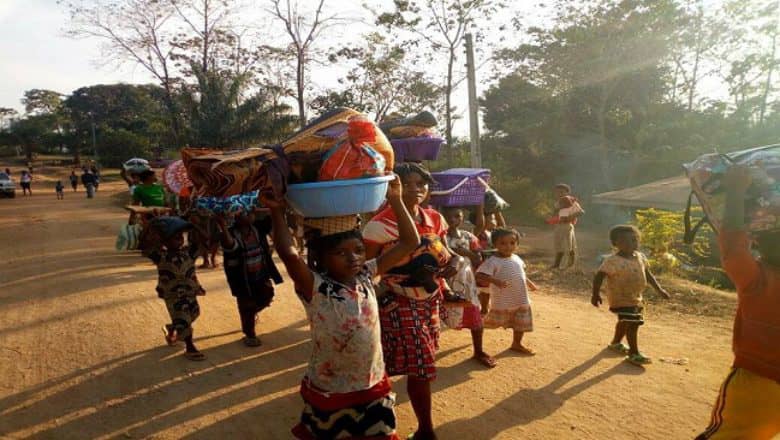
Displacement with No End in Sight
In Maroua, 39-year-old Aissatou Djibril sits outside her tent patched with plastic, watching over her children.
She fled her village near Kolofata in 2023 after armed men attacked.
“We left with nothing but the clothes we were wearing,” she said. “At night, the children ask when we’ll go home. I have no answer.”
Hundreds of kilometres south in Buea, in the Anglophone Southwest, teacher Samuel Ngong has been displaced multiple times between 2023 and 2024.
His school was torched, his home abandoned.“We used to say it would end soon,” he said. “Now, we just hope to survive each day.”
Policy Moves, but Safety Still Lags
In a bid to stabilize lives and extend access to essential services, the Cameroonian government, with support from UNHCR, began issuing biometric refugee identity cards in February.
The rollout, hailed by UNHCR as a “landmark step”, registered over 90,000 refugees in its first phase by March.
But rights groups warn that documentation is not enough in the absence of real security and accountability.
“ID cards won’t stop displacement if the root causes, political mistrust, underdevelopment, and impunity, are not addressed,” said Agbor Nkongho, a Buea-based human rights lawyer and peace advocate.
Aid Running Dry
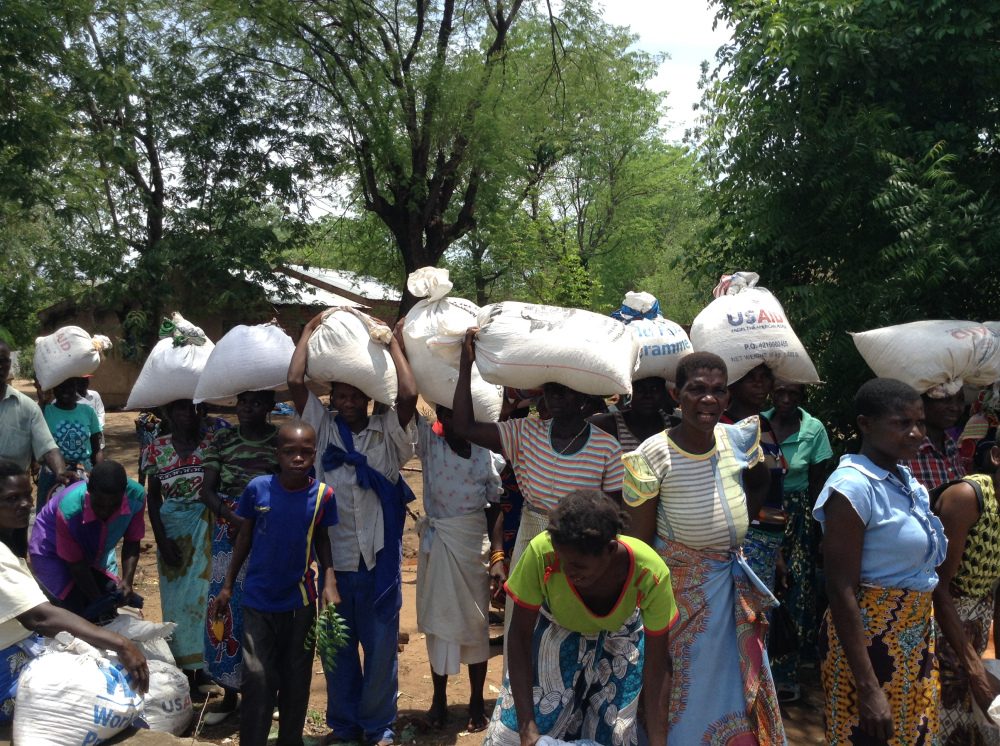
Despite growing needs, Cameroon’s 2024 Humanitarian Response Plan was only 45% funded by the end of last year.
The World Food Programme (WFP) warned that without new contributions, food aid to hundreds of thousands could be suspended.
“We’re forced to make impossible choices,” said Wanja Kaaria, WFP’s Country Director. “We can’t feed everyone who needs help.”The situation is especially dire in the Far North, where more than 14,000 homes were destroyed and 130,000 people displaced by 2024 floods, according to the Red Cross.
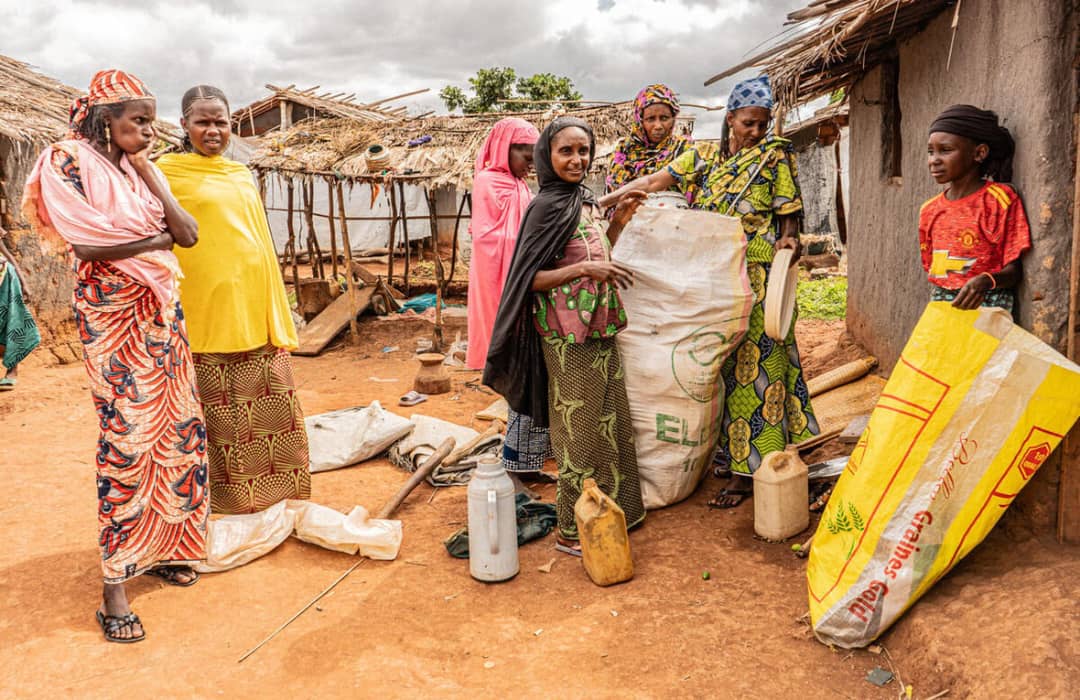
Many of the affected had already fled earlier violence, a “double displacement” that has deepened vulnerability and food insecurity.
According to humanitarian planning documents, 4.7 million people have been in need of humanitarian assistance since the beginning of the year. Over 3 million face acute food insecurity.
A Crisis the World is Ignoring
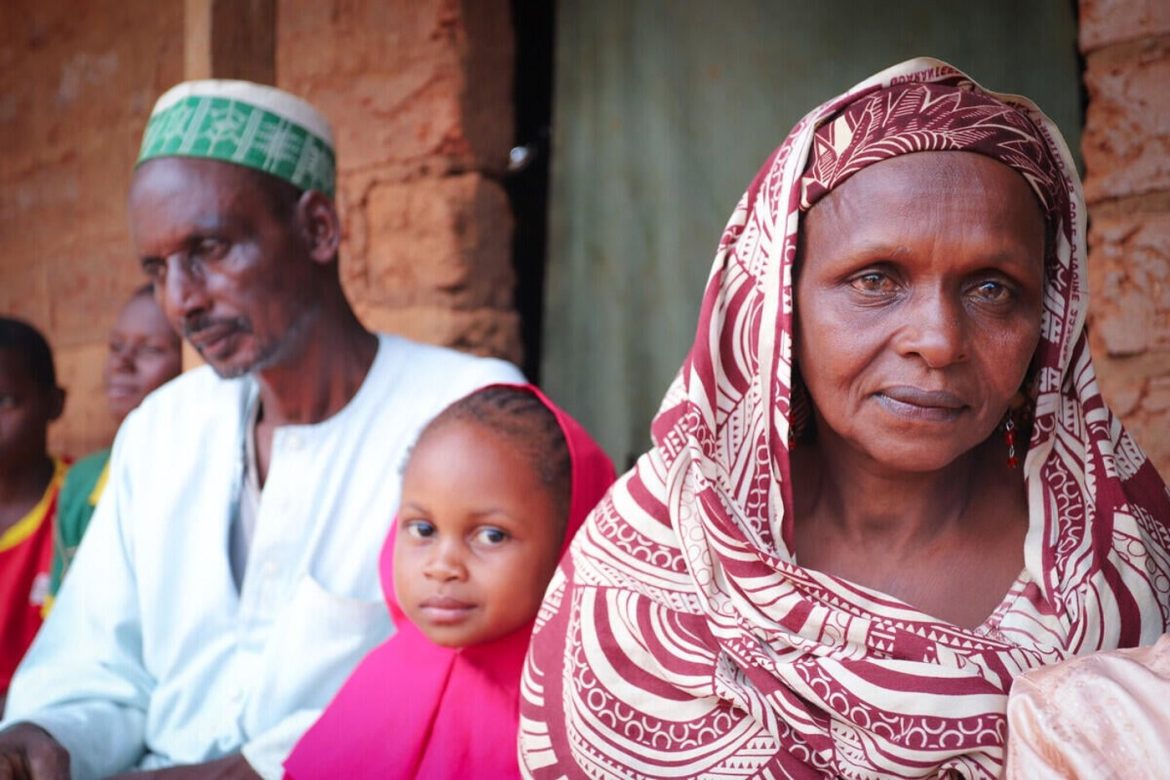
With international focus turned elsewhere, local humanitarian groups fear Cameroon is slipping off the global radar.
“We cannot normalize suffering just because it is quiet,” said Jeanne Yameogo, head of Médecins Sans Frontières operations in Cameroon.
“Every day, new families arrive with stories of loss, violence, and exhaustion. Cameroon must not be forgotten.”
For people like Aissatou, the dream of return is fading.“If peace comes,” she said softly, “we will go home. Until then, this tent is our only home.”