The United Nations Children’s Fund (UNICEF) has warned that millions of Nigerians, especially children, remain vulnerable to preventable diseases due to poor sanitation and lack of urban WASH (Water, Sanitation and Hygiene) policies in most states.
UNICEF WASH Specialist, Monday Johnson, gave the warning during a two-day media dialogue on “Accelerating Actions to Improve Urban WASH in Nigeria” held in Ibadan.
He revealed that only Lagos and Ekiti States have approved WASH policies in the Southwest, while Oyo’s draft policy is still awaiting approval.
Johnson explained that a functional WASH policy provides an enabling environment for development partners and investors to support sanitation programmes.
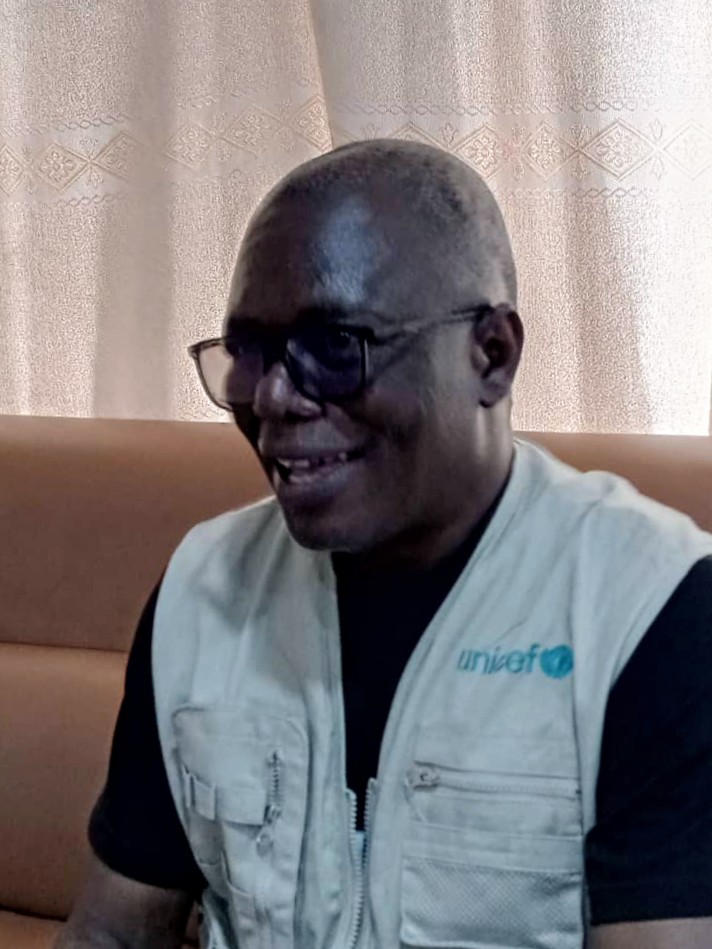
“If there’s no policy, funders don’t know what is in there for them. But once there’s a clear policy, it attracts agencies to support sanitation goals,” he said.
According to UNICEF, over 1.5 million households in Oyo State lack access to safely managed sanitation, with only about 3 percent of the 1,875 metric tons of excreta generated daily safely disposed of.
He identified rapid urbanization, weak infrastructure, and overcrowded settlements as major obstacles to sanitation in urban areas, warning that open defecation and poor containment systems remain public health threats.
Johnson urged states to adopt the Citywide Inclusive Sanitation (CWIS) model, which ensures everyone, regardless of income or status, has access to safe sanitation.
In his remarks, the Director of Community Mobilization and Hygiene Education at Oyo State Rural Water Supply and Sanitation Agency (OYORUWASSA), Adegoke Ayodele, said Oyo had made progress with three local government areas—Egbeda, Ona-Ara, and Ibarapa East—attaining Open Defecation Free (ODF) status with UNICEF’s support.
He added that residents were embracing the Community-Led Total Sanitation approach to maintain hygiene.
Community leaders also shared success stories, including the Olori of Araromi-Aperin, Ona-Ara LGA, Rebecca Obisesan, who said traditional leadership and community enforcement helped end open defecation in her area.
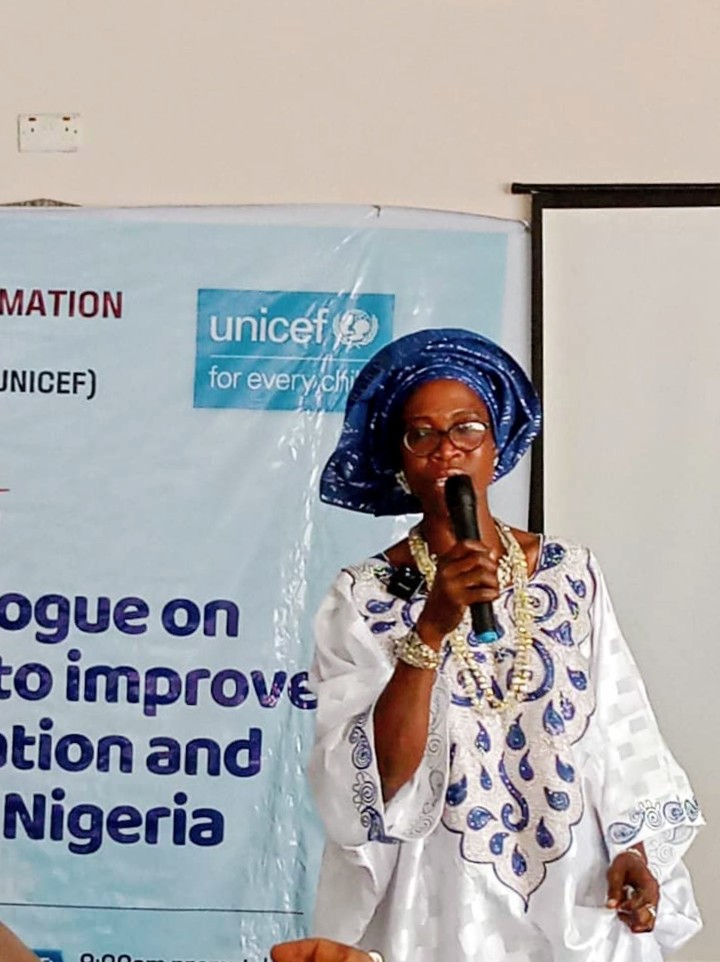
“Kabiyesi ordered that every household must build a toilet, and that’s how we changed the story,” she said, urging government to provide public toilets in markets.
UNICEF Communications Officer, Blessing Ejiofor, emphasized that access to clean water and sanitation is a basic human right, especially for women and children.
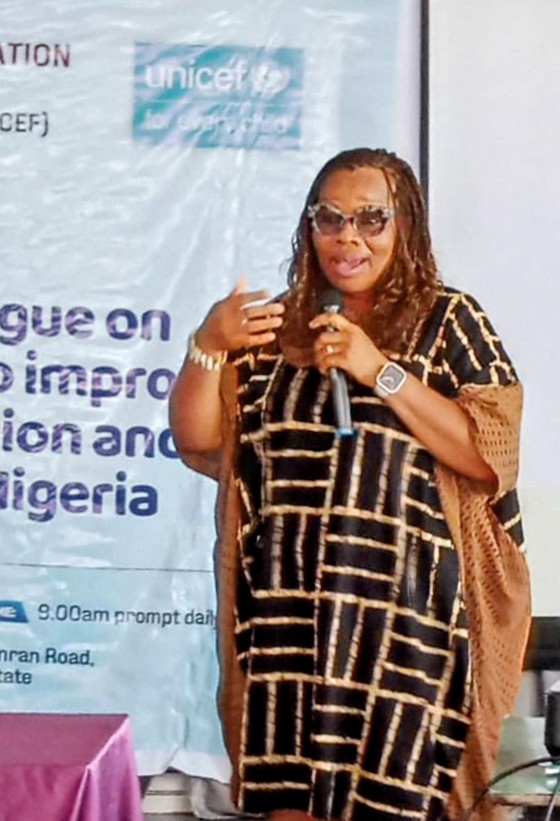
She called on state governments to urgently approve and implement their WASH policies, invest in safe sanitation systems, and create designated waste disposal sites to safeguard health and dignity.
Reporting by Julie Ekong