Outgoing Nigerian Midstream and Downstream Petroleum Regulatory Authority (NMDPRA) chief executive, Farouk Ahmed, has denied allegations that he spent about $5 million on his children’s foreign education, insisting the costs were covered through his earnings, merit-based scholarships and family support.
He invited anti-graft agencies to probe his finances, saying his annual income of about N48 million and other resources were sufficient and fully declared to authorities.
Ahmed said three of his four children received scholarships covering up to 65 per cent of tuition, while additional funding came from an education foundation set up by his late father.
He stressed that his savings, cooperative investments and family contributions accounted for the balance, adding that he has consistently filed asset declarations with the Code of Conduct Bureau.
His resignation, alongside that of Nigerian Upstream Petroleum Regulatory Commission (NUPRC) boss Gbenga Komolafe, drew blunt reactions in the Senate.
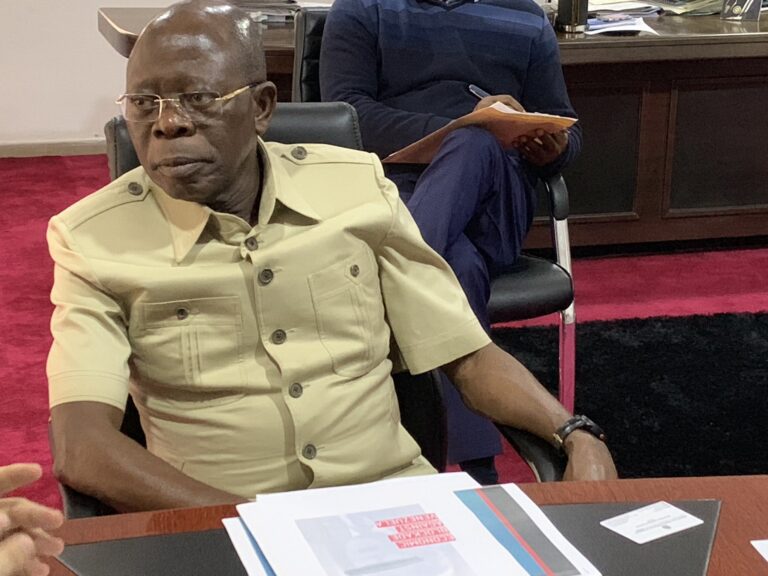
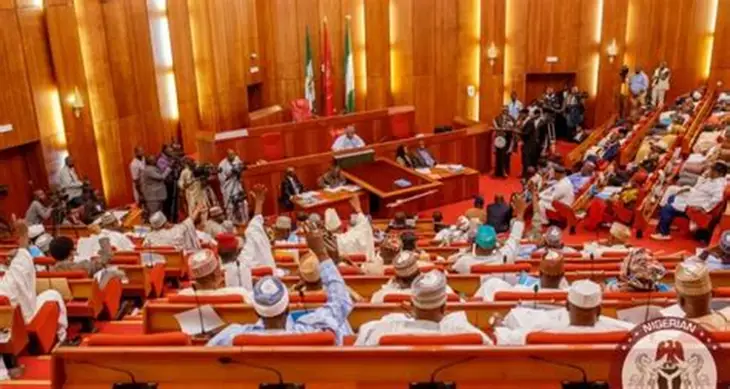
During the screening of President Bola Tinubu’s nominees, Senator Adams Oshiomhole said he celebrated their exit, describing it as necessary for Nigeria’s economic survival, while warning incoming leaders that policy direction, not just competence, would be judged.
Environmental justice group, the Miideekor Environmental Development Initiative (MEDI), welcomed the leadership change, urging the new NMDPRA and NUPRC chiefs to urgently overhaul oil sector divestment policies.
The group said current practices worsen environmental injustice in oil-producing communities and called for transparency and accountability under the Petroleum Industry Act (PIA).
Meanwhile, nominees Oritsemeyiwa Eyesan (NUPRC) and Saidu Mohammed (NMDPRA) pledged sweeping reforms.
Eyesan promised data-driven, digitised regulation to unlock investments, while Mohammed outlined plans to strengthen gas supply, protect local investments and enforce operational standards, saying efficient networks and clear contracts are vital for Nigeria’s energy future.