The National Agency for Food and Drug Administration and Control (NAFDAC) has warned Nigerians to stop buying fake Goya oil, especially products packaged in plastic PET bottles, describing them as unsafe for consumption and skin application.
The Director of Investigation and Enforcement at NAFDAC, Dr. Martins Iluyomade, issued the warning during a media briefing at the agency’s Apapa office in Lagos, following recent enforcement operations that uncovered illegal production of fake Goya oil in parts of the state.
Dr. Iluyomade disclosed that NAFDAC operatives discovered that some individuals were producing the fake oil within Oke-Arin Market in Idumota, Lagos, where palm oil was heated, mixed with colouring agents, and repackaged for sale.
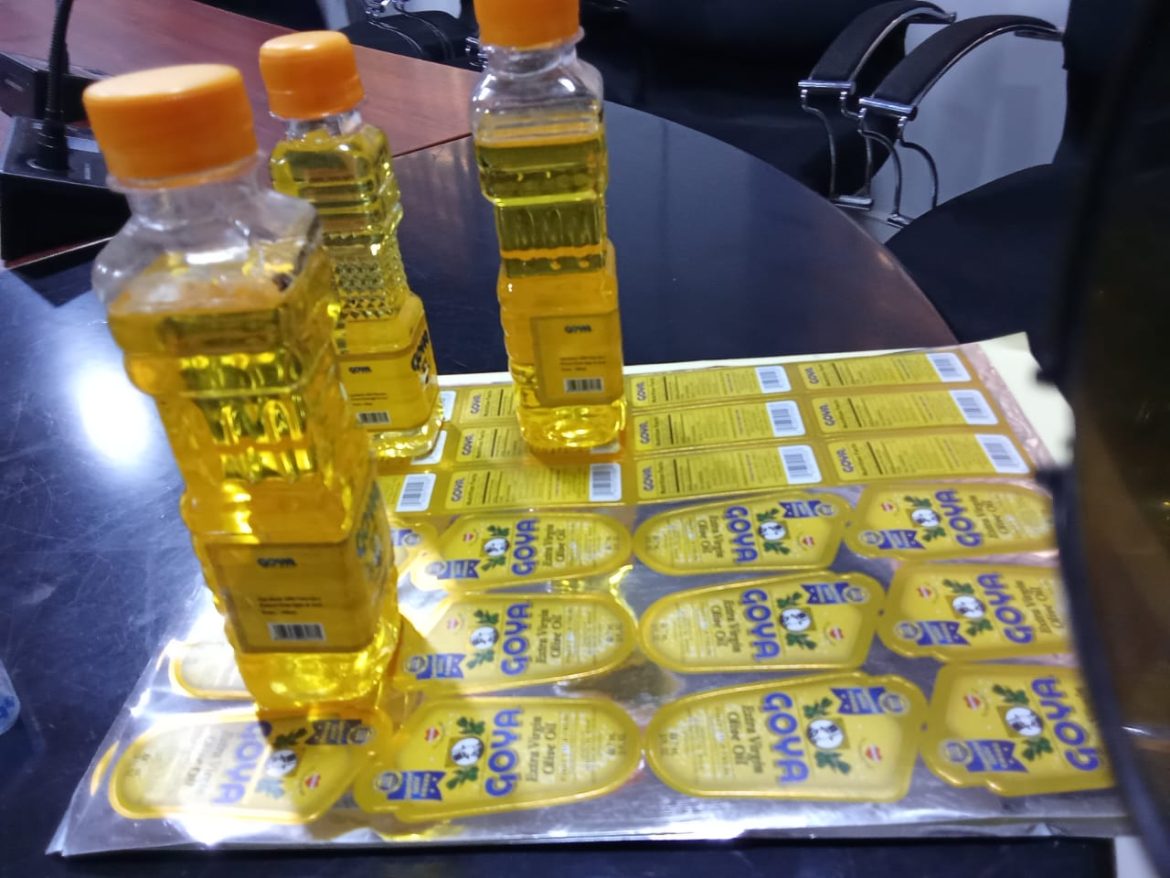
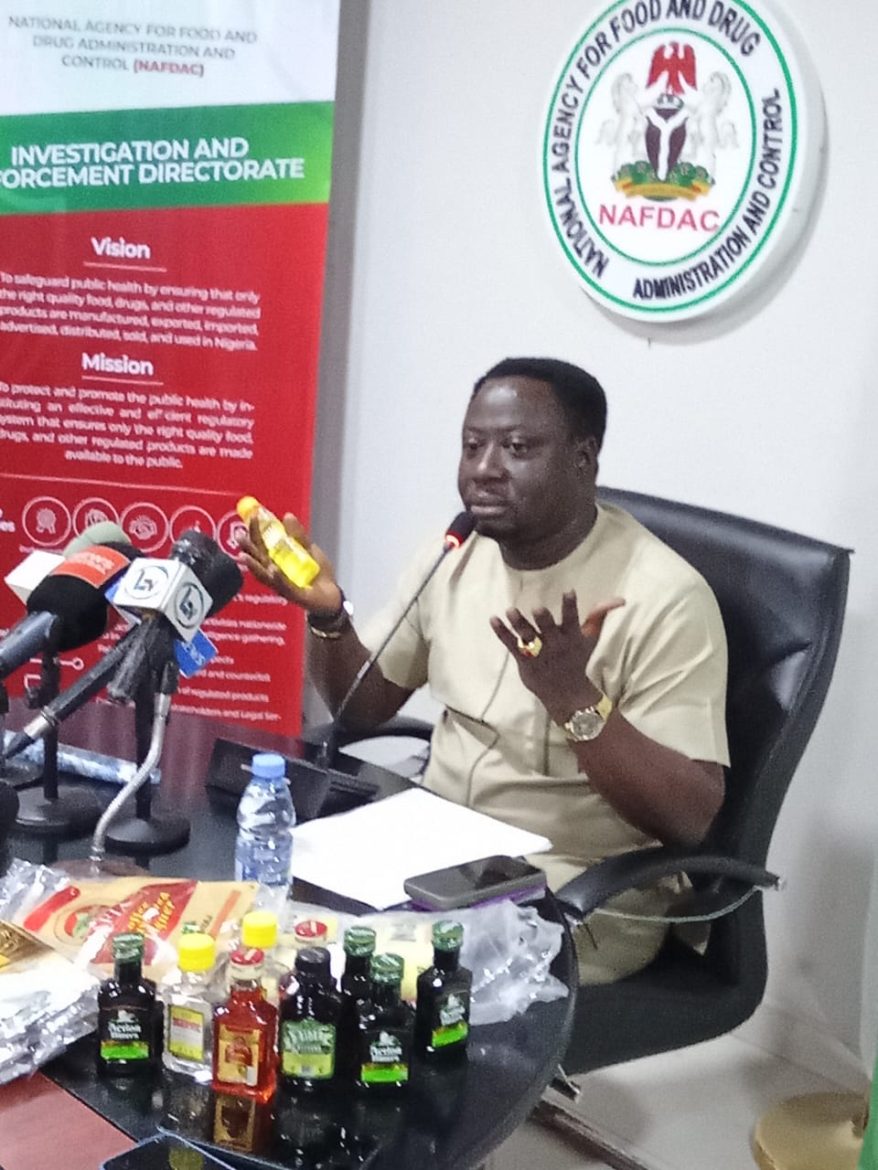
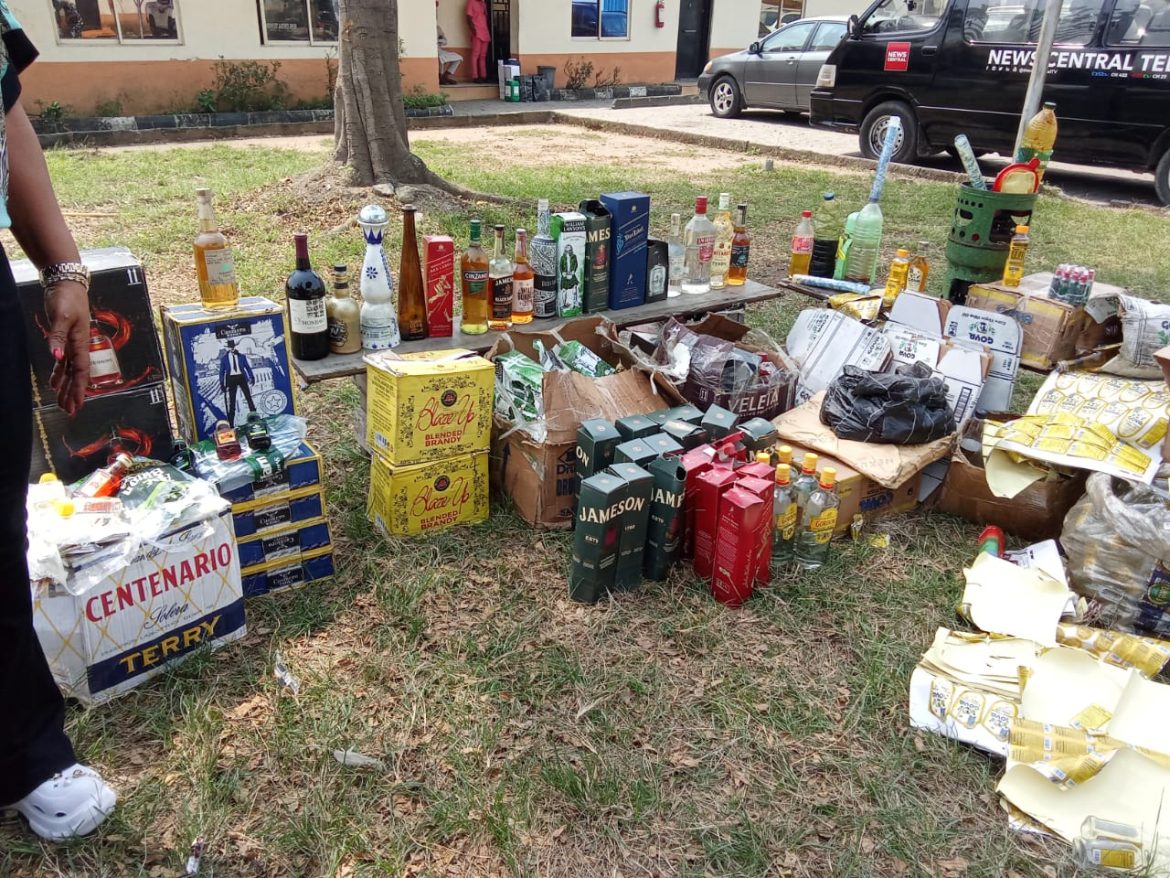
He said stoves, empty bottles, and other materials used for the illicit operation were recovered.He clarified that there is only one authorised importer of Goya oil in Nigeria and stressed that original Goya oil is packaged exclusively in glass bottles.
According to him, any Goya oil found in plastic bottles is fake and dangerous.Dr. Iluyomade urged Nigerians, including churches and prayer houses where the oil is commonly used, to be vigilant and report the sale of Goya oil in plastic bottles to the nearest NAFDAC office, describing the practice as widespread and alarming.
The NAFDAC official also raised concern over the increasing production of fake alcoholic drinks across the country, noting that the products are often made with water, substandard ingredients, and colouring substances.He revealed that several suspects have been arrested, including a major producer identified as Moses Nelson, who was apprehended in Lagos for allegedly producing and distributing fake alcoholic drinks from his residence in the Badagry area.
He said the suspect has been charged to court, while investigations uncovered a wide distribution network supplying major markets.
Dr. Iluyomade warned distributors and consumers against patronising unauthorised suppliers and cautioned Nigerians to be wary of unusually cheap products, noting that the quest to save money could result in serious health consequences.