…..Distributes free sanitary pads
An adolescent health campaign led by EndoSurvivors International Foundation and Network of Reproductive Health Journalists of Nigeria has raised awareness on Endometriosis among students in Comprehensive Junior Secondary School, Alapere.
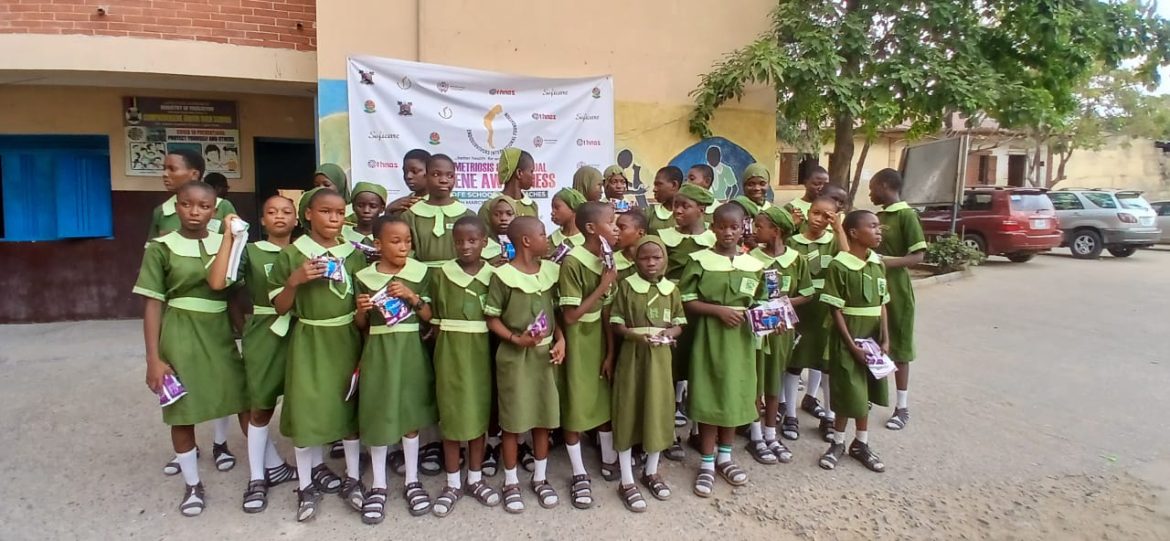
The initiative, supported by the Lagos State Ministry of Health, aimed to close knowledge gaps around endometriosis—a condition many young girls endure silently due to stigma and limited awareness.
Speaking at the event, Programme Officer at ESIF, Rukayat Sanusi, emphasized the importance of early education on menstrual health, noting that awareness enables timely recognition of symptoms and access to proper care.
She encouraged students to speak openly about their health concerns and seek guidance when needed.
Also addressing participants, Health Education and Promotion Officer at the Ministry, Adenuga Atinuke, stressed the role of public health education in preventing and managing reproductive health challenges.
She reaffirmed government support for initiatives that promote adolescent health and well-being in schools.
Executive Director of ESIF, Olivia Nwankudu, highlighted the persistent silence surrounding menstrual and reproductive health conditions, stating that sustained advocacy, education, and community engagement are critical to ensuring girls receive adequate care and support.
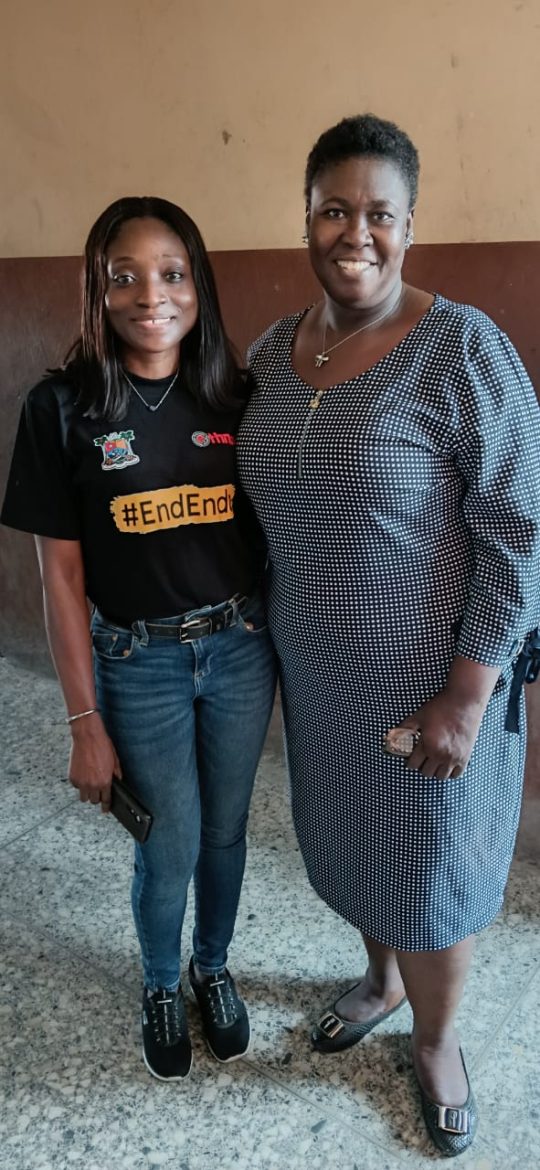
In her welcome remarks, the school principal, Francisca Oloyede, commended the organizers for empowering students with knowledge that can positively influence their health decisions.
NRHJN reiterated its commitment to leveraging journalism and strategic communication to amplify reproductive health issues, emphasizing that collaboration with organizations like ESIF and government bodies remains essential for improving health outcomes nationwide.
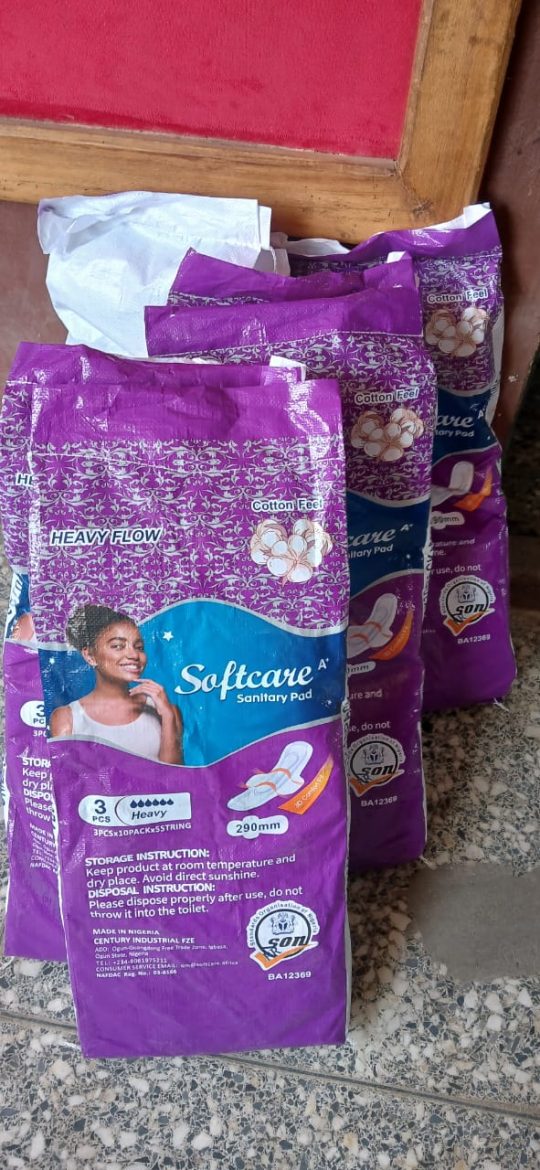
As part of the outreach, free sanitary pads were distributed to students across JSS 1 to 3, reinforcing the campaign’s practical support for menstrual hygiene.
The event brought together health experts, educators, and advocates, underscoring the importance of early detection, proper management, and open conversations around adolescent reproductive health.