Nigeria’s children represent the country’s greatest opportunity for future growth and prosperity, UNICEF Executive Director Catherine Russell has said, urging sustained investments in their health, education and protection.
Russell made the call at the end of her visit to Nigeria, noting that with nearly 105 million children and adolescents—about half of the country’s population—Nigeria has the potential to transform its young population into a powerful force for innovation, resilience and economic development.
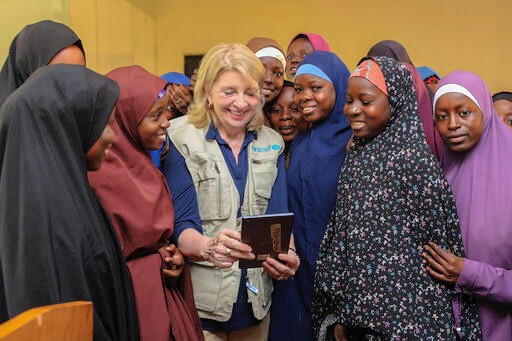
Russell said she witnessed firsthand the strength, ambition and potential of Nigerian children despite the challenges many of them face.
In Sokoto State, she visited a UNICEF-supported healthcare centre where malnourished children are receiving life-saving treatment and met boys and girls benefiting from digital learning programmes that offer them a second chance at education.
She commended the Nigerian government for the progress recorded in birth registration, social protection and school enrolment, describing the achievements as proof that prioritising children yields meaningful results.
However, she stressed that more needs to be done to ensure every child benefits from these gains.
The UNICEF Executive Director warned that global economic pressures, including the impact of the Middle East crisis, funding constraints and climate-related shocks, are increasing the vulnerability of children and their families.
She noted that insecurity and displacement continue to threaten the wellbeing of many communities, making investments in healthcare, nutrition, education, safe water and child protection services more critical than ever.
Russell reaffirmed UNICEF’s commitment to working with governments, the private sector and development partners to expand opportunities for every child.
“Nigeria’s future will be shaped by the choices made for children today,” she said, adding that investing in children’s early years lays the foundation for stronger communities and a more prosperous economy.