The Association of Chartered Certified Accountants (ACCA) has launched the Sustainability Schools Programme in Lagos to inspire young Nigerians on sustainability, responsible leadership, and the United Nations Sustainable Development Goals (SDGs).
The event brought together education stakeholders, government officials, industry leaders, and students from various schools across the country.
Welcoming participants, Jamil Ampomah, ACCA’s Director for Africa, said the initiative reflects ACCA’s commitment to preparing young people for the future of work and sustainable development.
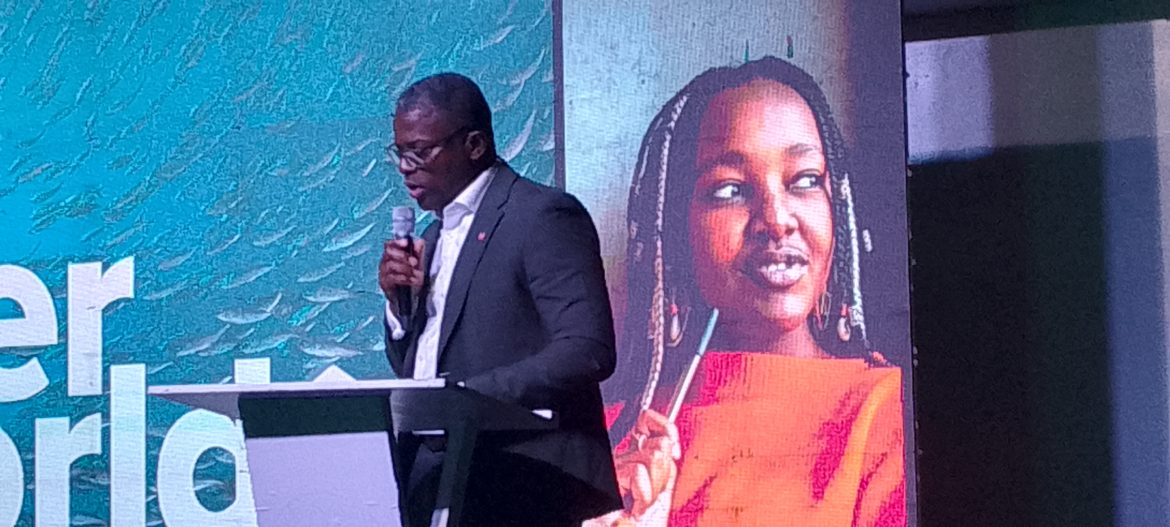
He explained that through the “Sustainability Hour,” students will explore six SDGs, no poverty, zero hunger, quality education, clean water and sanitation, responsible consumption and production, and climate action, over a six-month period.
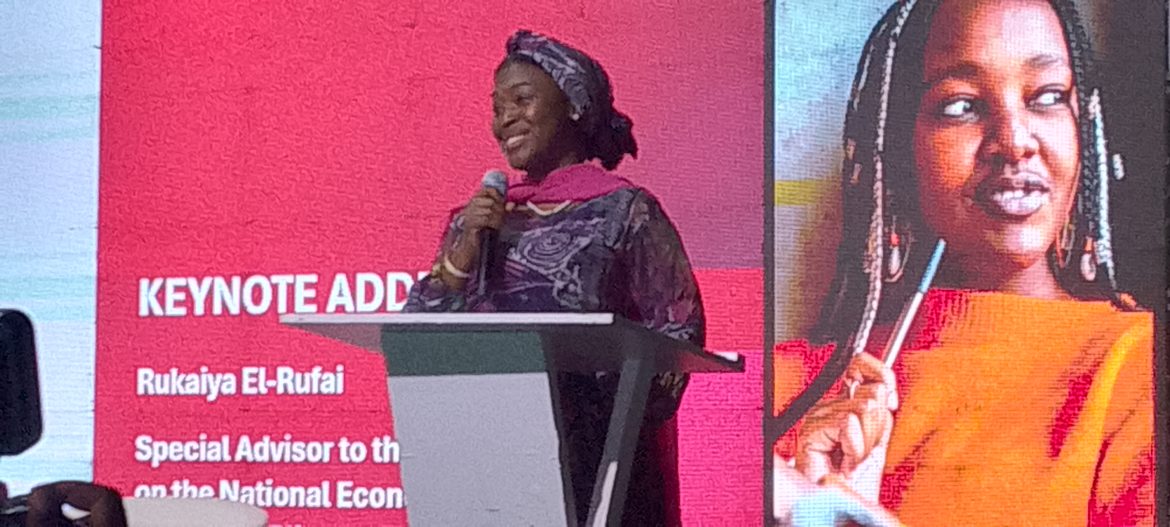
Speaking at the launch, the Special Adviser to the President on the National Economic Council (NEC) and Climate Change, Mrs. Rukaiya El-Rufai, called for urgent and inclusive reforms to address Nigeria’s learning and poverty crises.
She noted that despite progress in some areas, millions of Nigerian children still lack access to quality education. “Too many of our children are unable to read or write effectively at age twelve, and that must concern every one of us,” she said.
Also addressing participants, the Commissioner for Budget and Economic Planning, Anambra State, Chiamaka Nnake, emphasized the need to integrate sustainability education into schools to make it a way of life among young Nigerians.
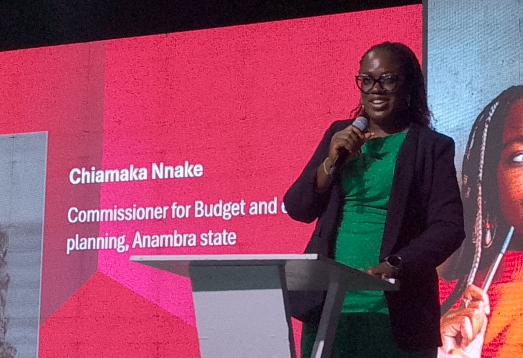
She noted that improving public education is key to promoting equal access to learning. “We need to make sustainability a lifestyle, not just something we learn about eventually. If we begin with our students and strengthen public education, we can truly equalize access and achieve the SDGs meaningfully,” Nnake stated.
In his keynote address, Dr. Rabiu Olowo, Executive Secretary and Chief Executive Officer of the Financial Reporting Council of Nigeria (FRC), urged young Nigerians to embrace sustainability learning and global best practices.
He recalled that Nigeria and other nations had failed to achieve the Millennium Development Goals (MDGs) but expressed optimism that initiatives like ACCA’s would change that trajectory. “What gives me joy this morning is that we are now doing the right thing — engaging young people early through sustainability learning and practice,” he said.
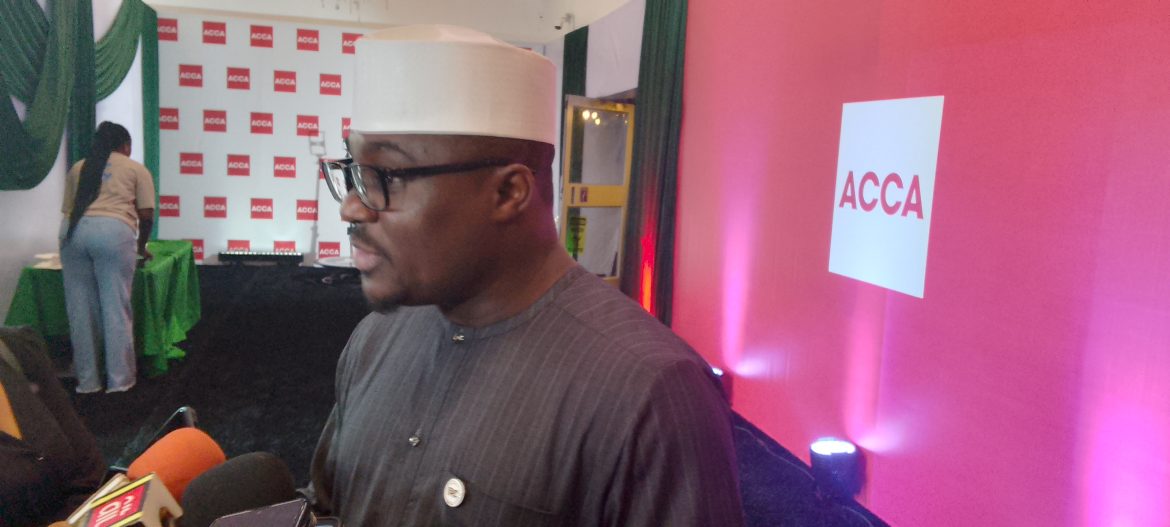
Representing the Lagos State Governor, Dr. Oreoluwa Finnih, Special Adviser on Sustainable Development Goals, commended ACCA for aligning its programme with the state’s vision of building an inclusive and resilient Lagos.
She noted that the initiative supports the government’s THEMES Plus Agenda and helps equip young people with environmental awareness, social responsibility, and governance skills. “Incorporating sustainability into education means ACCA is helping young minds think critically about environmental, social, and governance issues — skills essential for today’s leaders,” she added.
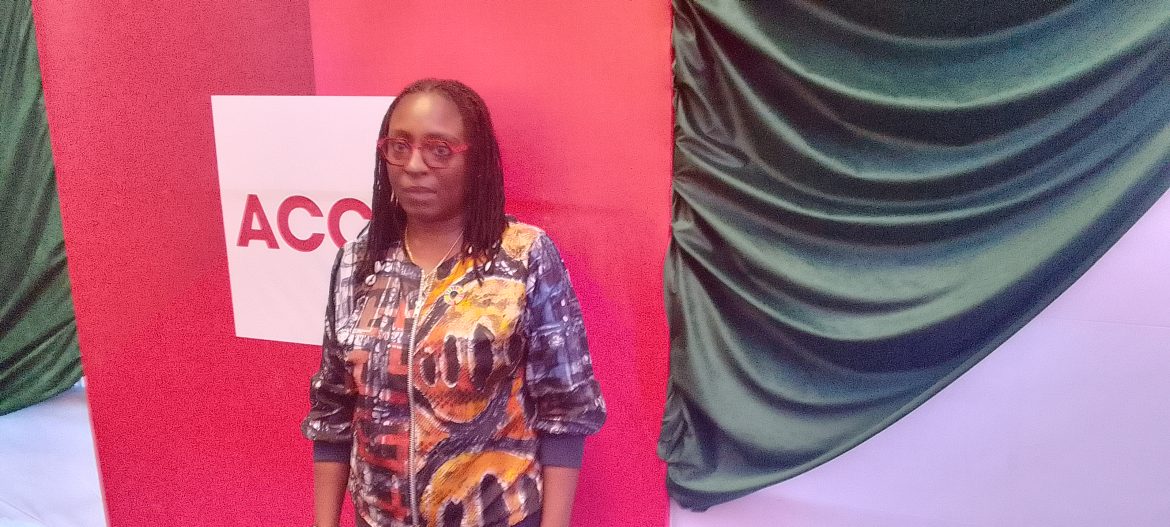
Thomas Osibor, Country Head of ACCA Nigeria, described the initiative as part of ACCA Global’s drive to equip future leaders with the mindset and advocacy skills needed to build a sustainable world. “The ACCA Sustainability Hour helps young people understand the UN SDGs and how they can play a role in achieving them. We want our future leaders to adopt the right behaviours needed to make positive changes in society,” he said.
The launch featured exhibitions on waste-to-wealth innovation and interactive sessions showcasing how students can apply sustainability principles in their communities.
The event underscored ACCA’s commitment to nurturing a generation of environmentally conscious and socially responsible leaders for Nigeria’s sustainable future.