Experts have blamed Nigeria’s inability to achieve its food security and sustainable agriculture goals on a flawed public procurement policy that excludes key stakeholders, especially small-scale women farmers.
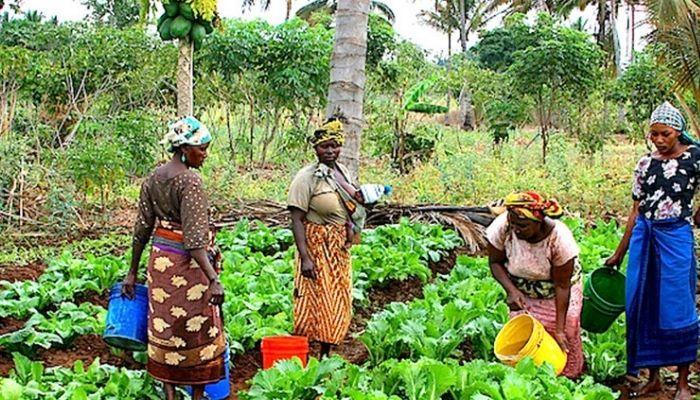
The Lead Director of the Centre for Social Justice (CSJ), Eze Onyekpere, said the existing procurement framework fails to address the realities of those driving agricultural production, thereby undermining government objectives.
Speaking at a two-day workshop on inclusivity in agriculture procurement, organised by CSJ in partnership with the Small Scale Women Farmers Organisation of Nigeria (SWOFON) and funded by the International Budget Partnership, Onyekpere described the procurement challenge in the agriculture sector as “very huge.”
He noted that despite agriculture being central to food security, livelihoods, and climate adaptation, “the sector is not delivering optimally” because the procurement system “is not responding to or delivering on government objectives.
”According to him, over 75 percent of people engaged in crop cultivation, a major contributor to Nigeria’s agricultural GDP, are women — yet their needs remain overlooked in public investment decisions.
In his keynote address, the Director-General of the Bureau of Public Procurement (BPP), Dr. Adebowale Adedokun, affirmed that agriculture remains the backbone of Nigeria’s economy but admitted that several barriers continue to hinder inclusive participation in procurement opportunities.
He defined inclusion as ensuring that decision-making, funding, and participation spaces are open to all stakeholders — particularly women, youths, and marginalised groups — adding that “addressing these barriers is not only ethical but essential to national development, food security, and poverty reduction.”
Adedokun urged participants to advocate practical reforms, invest in capacity building, and amplify the voices of smallholder women and youths to build a more equitable and productive agricultural system for Nigeria.