Mental health experts and advocates have called for urgent legal and policy reforms to curb the rising cases of suicide in Nigeria, urging the government to decriminalize suicide attempts and strengthen access to care nationwide.
The call was made at the Vanguard Newspapers Mental Health Summit held in Lagos, with the theme “Taming the Rising Tide of Suicide in Nigeria.”
Delivering the keynote address, Professor Taiwo Sheikh, a leading psychiatrist, identified peer pressure, limited access to mental health services, and adverse social conditions as major triggers of suicide in the country.
“More than seventy percent of suicides in Nigeria are linked to these risk factors,” Sheikh said, warning that stigma and fear of prosecution continue to deny victims timely help.
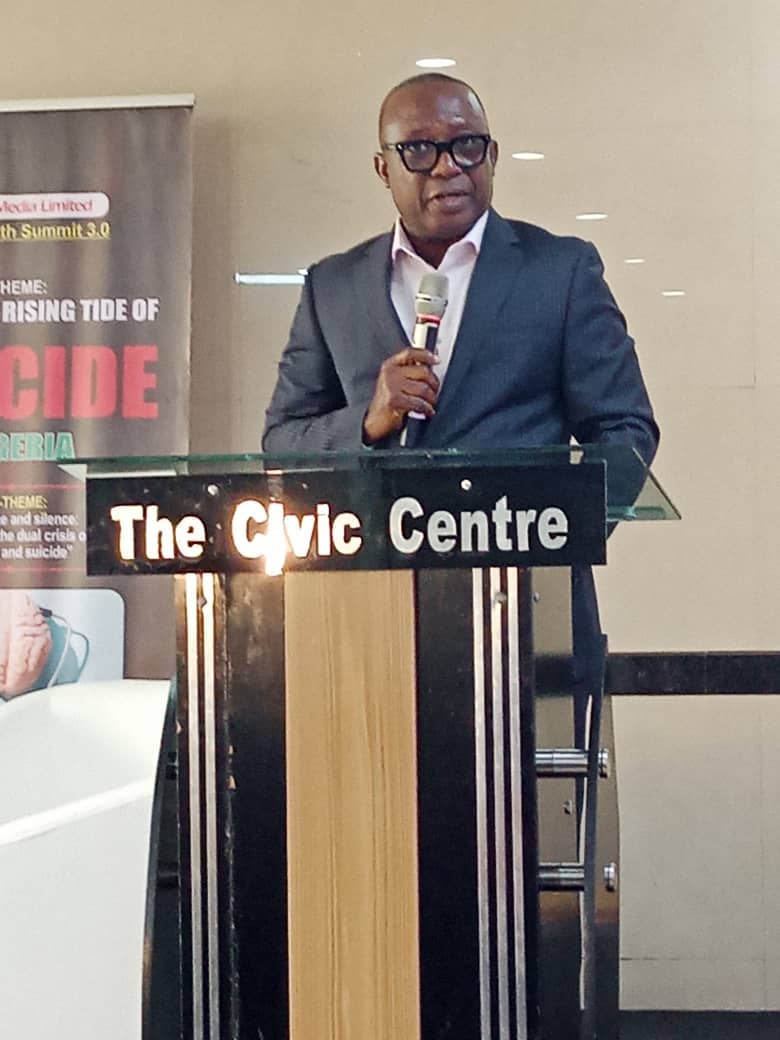
Editor of Vanguard Newspapers, Mr. Eze Anaba, reaffirmed the organisation’s commitment to social impact journalism
“Vanguard will continue to use its platform to amplify mental health awareness and influence national discourse,” he said, urging collective action against suicide and addiction.

He stressed that suicide, which claims over 750,000 lives globally every year, has become a major public health concern in Nigeria.
“Our country ranks sixth globally among nations with the highest suicide rates, with about 16,000 deaths annually, mostly among people aged 15 to 29,” Akinroye noted.
He emphasized that stigma, silence, and poor data remain major barriers to progress and called for a multi-level mental health strategy that includes inclusive services at the primary, secondary, and tertiary healthcare levels.
A mental health survivor, Miss Abdulkareem Aishat, shared her personal story of attempted suicide and recovery, describing the experience as a “turning point” that underscored the importance of timely intervention and compassion.
Representing the Chairman, Niger Delta Development Commission, Senator Asuquo Ekpenyong, Senior Legislative Aide Mr. Edem Ekpo Bassey announced that the lawmaker has sponsored the Suicide Prevention Bill 2024, which seeks to decriminalize suicide attempts and provide rehabilitation and psychosocial support for survivors.
“Under Sections 327 and 231 of the Criminal and Penal Codes, attempted suicide is still a criminal offence punishable by one year imprisonment.
These outdated laws punish pain instead of providing care,” Ekpenyong stated.
“The Suicide Prevention Bill represents a historic shift—from punishment to patient care, from stigma to support.”
The summit drew participants from the National Drug Law Enforcement Agency (NDLEA), National Agency for Food and Drug Administration and Control (NAFDAC), health professionals, policymakers, caregivers, and advocates, all of whom agreed that tackling suicide requires compassion, policy change, and sustained public education.