In Lagos’s fast-growing Shongotedo district, 17-year-old Divine Ikechukwu leans over a borrowed computer in a modest classroom, his fingers moving carefully across the keyboard.
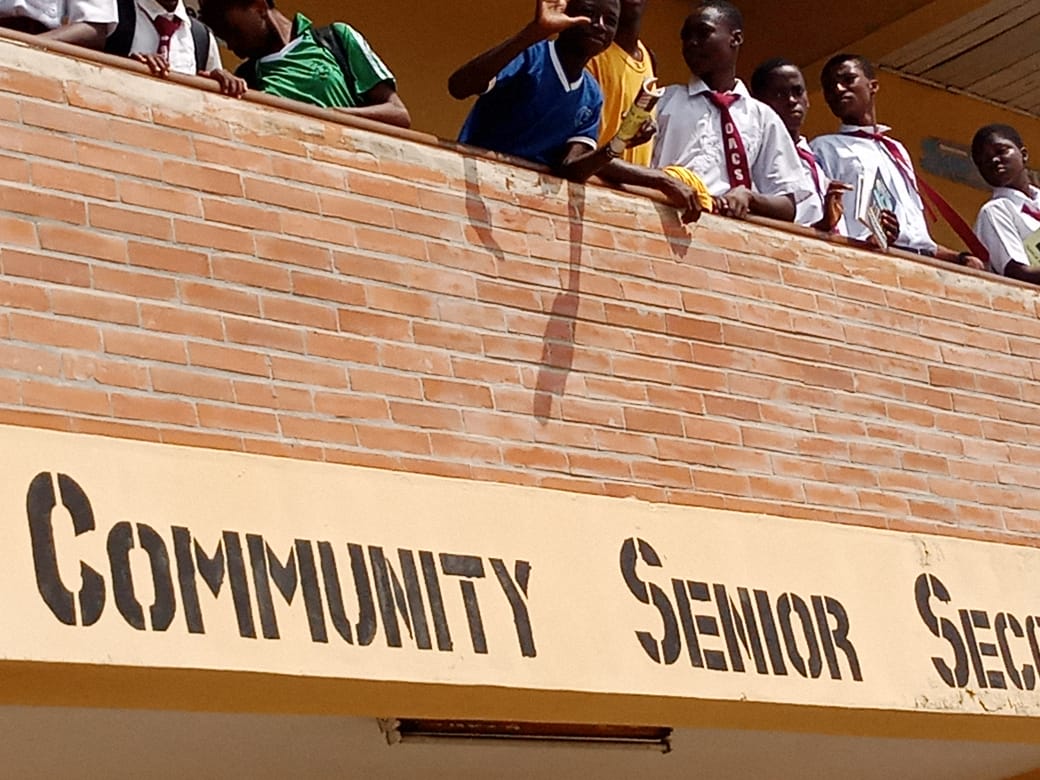
Not long ago, his learning world was limited to chalkboards and worn textbooks shared among more than thirty students at Okun-Aja Community Secondary School.
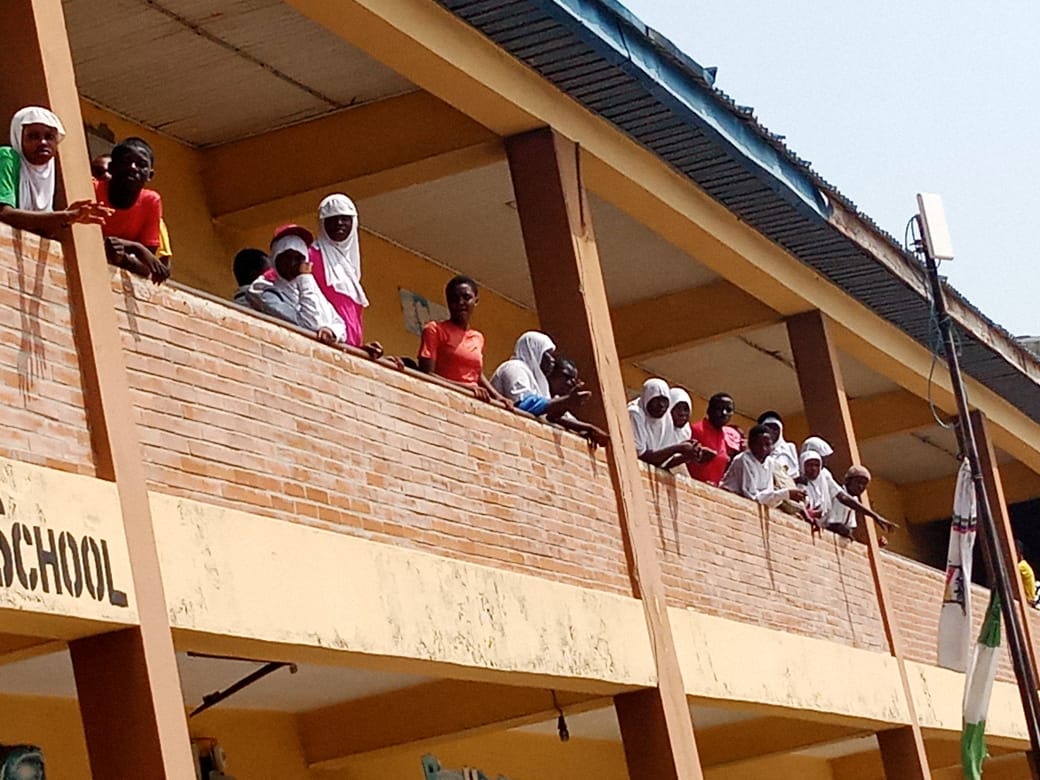
Now, when a difficult chemistry concept stalls him, he turns to an artificial intelligence tool.
Within seconds, an explanation appears, simpler, clearer, easier to grasp.
“It explains it better and makes me understand,” Divine says quietly.
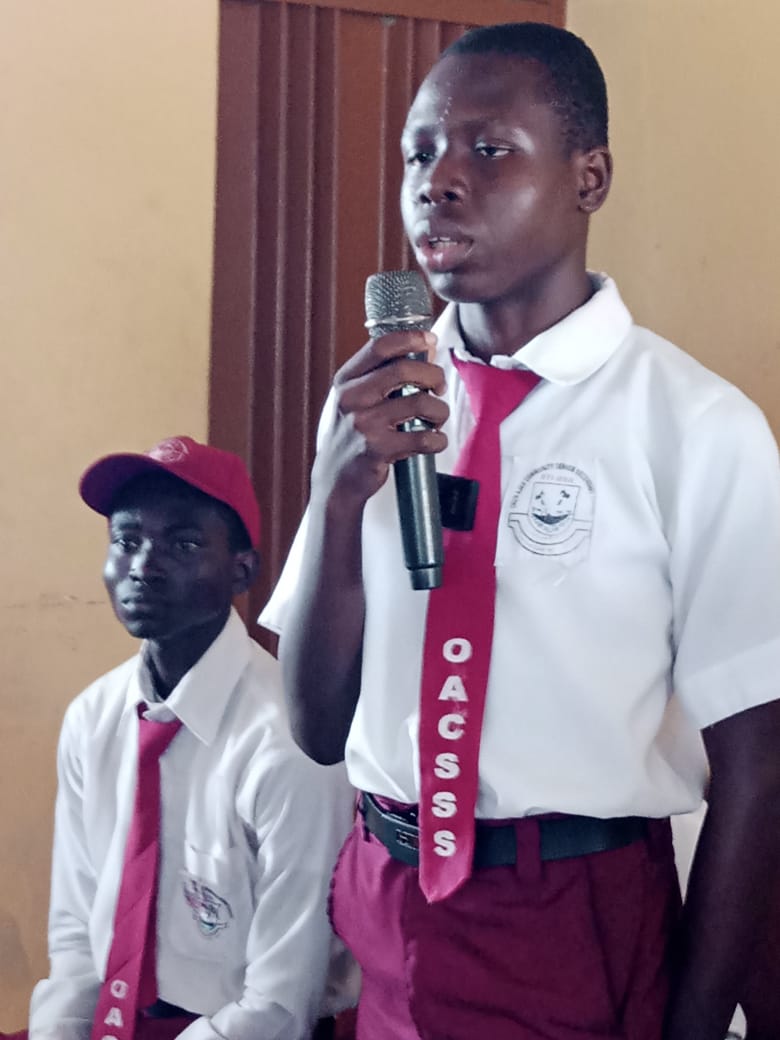
“It has sharpened my vocabulary and writing skills. I feel more confident.”
Across Nigeria, students like Divine are beginning to experience what educators describe as a quiet shift, one driven not by new buildings or teachers, but by screens, software and emerging digital tools.
At the centre of this shift is the Nigeria Learning Passport, a platform backed by the United Nations Children’s Fund.
Designed to widen access to quality education, it offers curriculum-aligned lessons and digital assessments for students who have long faced gaps in resources.
The stakes are high.
UNICEF reports in 2024 and early 2025 showed that Nigeria has an estimated 10.5 million out-of-school children, one of the highest figures globally.
Even among those in classrooms, learning outcomes remain fragile.
A World Bank report also found that about 70% of 10-year-olds in sub-Saharan Africa cannot read and understand a simple text, a condition often referred to as “learning poverty.”
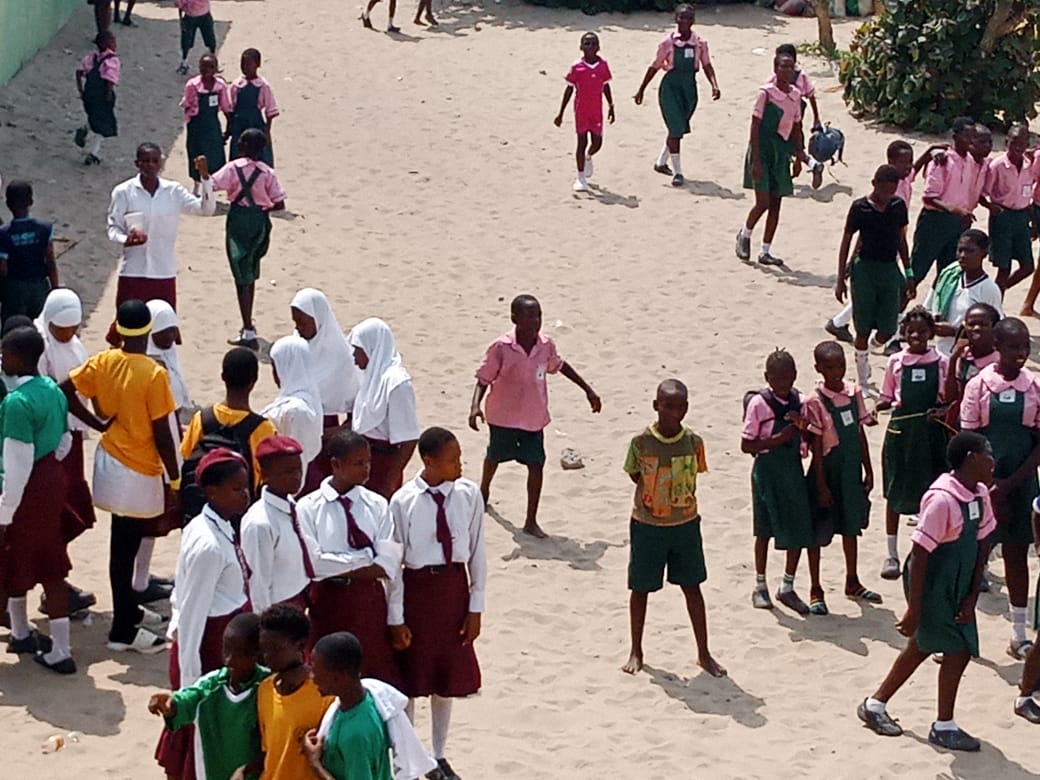
At Okun-Aja, the signs of change are subtle but visible.
The school sits on sandy ground, quiet and orderly, though prone to flooding during the rainy season.
Inside, lessons that once relied solely on printed materials now include computer-based tests and AI-supported learning.
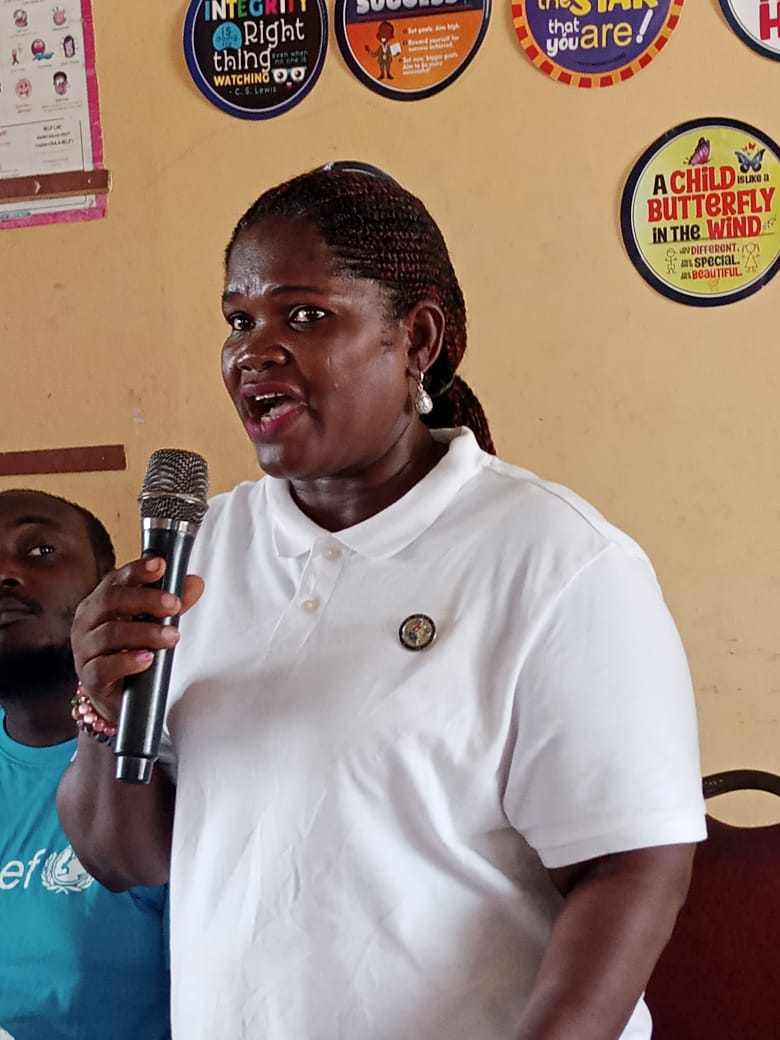
For principal Bridget Oyedele, the transformation is both practical and symbolic.
“Education is now a passport to the world,” she says.
“Our students are adapting quickly, exploring, researching and thinking beyond the classroom.”
But access remains uneven
“There are not enough devices for every child,” Oyedele adds.
“Yet the change is visible.”
That gap is something teachers like Segun Lawal try to bridge daily.
The school’s ICT instructor often stays after hours and sometimes brings his personal laptop to class.
“We cannot allow lack of devices to stop them from learning,” he says.
“If I have to use my own tools, I will.”
For some students, even limited access feels transformative.
Emmanuel Adeoye, a senior student, describes artificial intelligence as “a reliable companion.”
When physics formulas become confusing, he turns to digital tools for step-by-step explanations.
“It has extended my potential,” he says.
Others, like SS1 student Ali-Eze Moses, are still on the margins of this digital shift.
“I use my mother’s phone once a week for about 30 minutes,” he says.
“But I want to do more.”
His experience reflects a wider reality for many Nigerian children, standing at the edge of opportunity, close enough to glimpse it, but not yet close enough to fully grasp it.
Education experts say exposure to digital tools and artificial intelligence does more than improve grades.
It builds digital literacy, encourages independent thinking and equips students with skills needed in a technology-driven global economy.
Back in the classroom, Divine returns to his screen, reading through another AI-generated explanation.
Around him, voices rise and fall, chalk scrapes lightly against the board, but his focus stays fixed.
For him, and many like him, the future of learning is no longer something distant.It has already begun.