The Lagos State Government has reinforced its “Test Before Treatment” policy across public and private healthcare facilities following revelations that only five per cent of fever cases recorded in the state are actually malaria-related.
The Commissioner for Health, Akin Abayomi, made the disclosure during the 2026 World Malaria Day symposium organised by the State Ministry of Health in Lagos.
Abayomi said the policy became necessary after a statewide malaria study involving more than 78,000 residents showed that a large number of patients treated for malaria did not test positive for the disease.
According to him, the study was conducted across 514 healthcare outlets, including Primary Health Centres, pharmacies, and Patent and Proprietary Medicine Vendors, using Rapid Diagnostic Tests with about 98 per cent accuracy.
The Commissioner explained that the results confirmed that only five per cent of individuals who believed they had malaria actually tested positive.
“We realised that 95 per cent of fever cases in Lagos were linked to illnesses other than malaria. This is why treatment without testing is no longer acceptable,” he said.
Abayomi noted that Lagos has recorded one of the lowest malaria prevalence rates in Nigeria despite its coastal environment, which naturally supports mosquito breeding.
He attributed the success to consistent public health investments, environmental management, data-driven interventions, and strengthened surveillance systems.
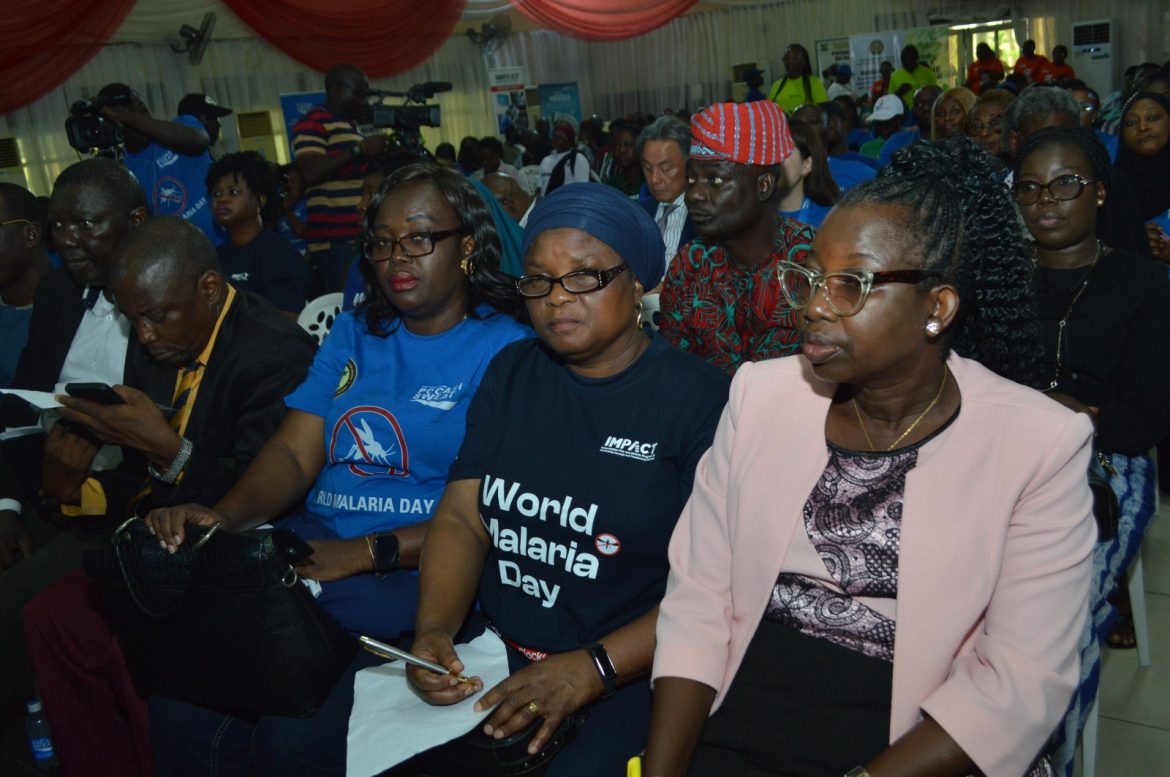
The State Malaria Elimination Programme Manager, Abimbola Osinowo, explained that the IMPACT Project introduced in 2024 had transformed malaria response across the state.
She said the initiative focuses on “Prevent, Test, Treat and Track,” while also providing free rapid diagnostic testing and access to Artemisinin-based Combination Therapies in public health facilities.
Osinowo added that pregnant women now receive insecticide-treated nets during antenatal visits, while communities are mobilised through awareness campaigns and women-led advocacy programmes.
The Special Adviser to the Governor on Health, Kemi Ogunyemi, described the World Malaria Day theme, “Driven to End Malaria: Now We Can, Now We Must,” as a reminder that sustained collaboration remains critical to achieving malaria elimination.
She stressed that Lagos would continue prioritising vector control, environmental sanitation, community engagement, universal access to diagnosis and treatment, and strategic partnerships.
Representatives of the Society for Family Health and the World Health Organization commended Lagos for expanding rapid diagnostic testing and improving malaria surveillance across healthcare facilities.
The event ended with stakeholders calling for sustained investment, stronger partnerships, and increased public participation in efforts aimed at eliminating malaria in Lagos State.