Health experts and reproductive rights advocates have raised concerns over the continued suspension of Lagos State Safe Termination of Pregnancy (STOP) Guidelines, saying the decision is putting women’s lives at risk and contributing to unsafe abortions.
Speaking at a two-day training for members of the Network of Reproductive Health Journalists of Nigeria (NRHJN) in Gbagada, Lagos, stakeholders said the suspension of the guidelines has made it harder for doctors to provide lifesaving care to women facing serious pregnancy-related health challenges.
The training was organised by the Centre for Bridging Health Gaps (CBHGaps) and focused on sexual and reproductive health rights, unsafe abortion and maternal mortality.
The Executive Director, CBHGaps, Dr. Moriam Jagun, explained that the STOP Guidelines were created to help doctors manage complicated pregnancies within the limits of Nigerian law.
“The guidelines brought medicine and law together and doctors are often uncertain about who qualifies for safe termination under the law, and because of that uncertainty, women face delays or outright rejection even in life-threatening situations.” Jagun explained
According to her, the guidelines provide medical professionals with clear procedures for handling cases where continuing a pregnancy could endanger a woman’s life.
She noted that since the guidelines were suspended, many doctors have become afraid of possible legal consequences.
“When a governor suspends such a document, the signal it sends within the health system is that nobody should touch these cases,” she said. “Doctors are left unable to work within their ethics and professional responsibilities.”
Jagun said women suffering from serious illnesses such as cancer, severe heart disease, kidney failure, hypertension and ectopic pregnancies are among those most affected. Survivors of rape and incest also face difficulties accessing appropriate care.
“If someone has cancer and needs chemotherapy, will you tell the person to keep the pregnancy? If someone has severe heart disease or kidney failure, should she die because doctors are afraid?” she asked.
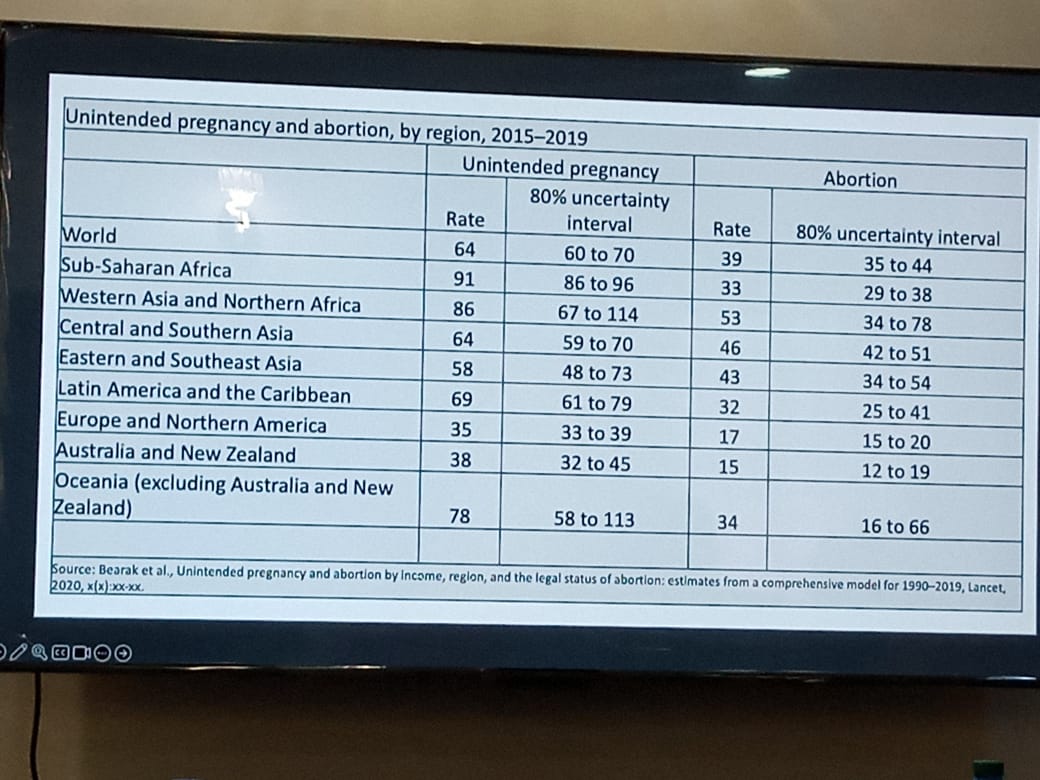
Also speaking at the event, Programme Director of Development Communications Network (DEVCOMS), Akin Jimoh, said unsafe abortion remains a major cause of maternal deaths in Nigeria.
“One of the key things we need to realise is women are dying and unsafe abortion is one of the reasons,” Jimoh said. “As far back as 2008, Nigeria recorded about six women dying every hour from complications of pregnancy and childbirth.”
He urged policymakers to prioritise the health and survival of women.
“We hear the voice of the baby but often ignore the voice of the mother,” he said. “Are women getting married only to die because doctors are prevented from helping them?”
Lagos State Coordinator of the Network of Reproductive Health Journalists Nigeria, Kikelomo Oduyebo, expressed concerns that the suspension has pushed many women towards unsafe abortion providers.
“No woman, adolescent, single or married, should die from preventable pregnancy complications, noting that the celebration around suspending the guidelines was unnecessary because the guidelines help doctors make informed decisions.”
Programme Adviser of the NRHJN, Sola Ogundipe, said journalists would continue educating the public on reproductive health issues.
“The goal is not to promote abortion,” Ogundipe said. “The goal is to reduce unsafe termination and save women’s lives.”
The stakeholders called on the Lagos State Government to urgently review the suspension of the STOP Guidelines, arguing that restoring the policy would help reduce maternal deaths, improve access to safe reproductive healthcare and support doctors in providing essential medical care.
Reporting by Julie Ekong