The Nigerian Institute of Medical Research (NIMR), Lagos, has emphasized the need for closer collaboration and synchronization of malaria research efforts to strengthen ongoing elimination strategies in Lagos State.
The call was made by the Director of Research and Head of the Malaria Research Group at NIMR, Dr. Adeola Olukosi, during the Institute’s December Media Chat in Lagos.
Dr. Olukosi explained that malaria surveillance sites in Nigeria were originally monitored monthly in collaboration with the National Malaria Elimination Programme (NMEP).
However, dwindling funds have reduced monitoring to a quarterly exercise.
“Due to ongoing malaria elimination efforts in Lagos State, malaria prevalence has dropped to as low as two percent.”She noted that Lagos has consistently remained at the forefront of malaria research, making statewide elimination feasible if partnerships are strengthened.
Highlighting the scientific dimension, Dr. Olukosi stressed that malaria transmission varies widely across regions due to differences in mosquito vectors.
“Even within the same village, you can find different Anopheles species with varying conditions affecting their control.”She revealed that molecular research by NIMR led to the identification of Anopheles defensae, now listed by the World Health Organization, after laboratory analysis showed that more than half of samples initially identified morphologically were misclassified.
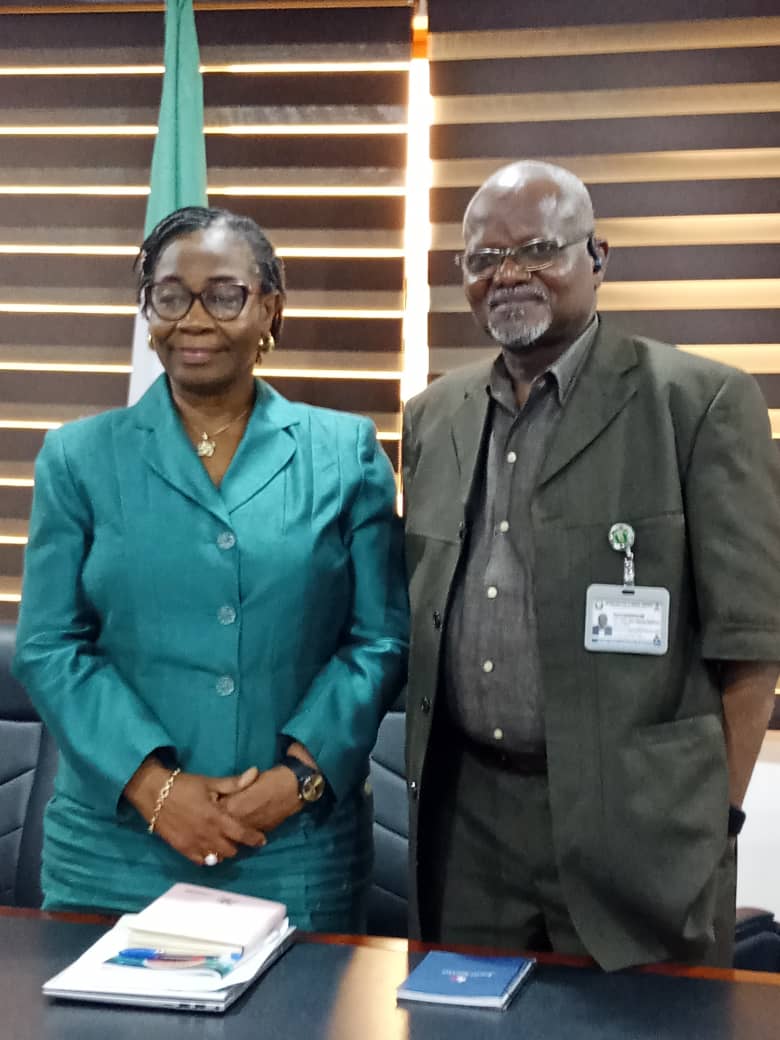
Dr. Olukosi described malaria as Nigeria’s most pervasive public health challenge, noting that the country carries the highest global burden.
“Malaria affects up to 97 percent of the population and remains a common denominator across the country.”She added that transmission patterns range from year-round intensity in southern regions to seasonal peaks in the Sahel zones.
Also speaking, NIMR Director-General Professor John Obafunwa said malaria control efforts across Africa are largely dependent on Nigeria due to its population size.He cautioned that malaria prevalence varies even within Lagos State, influenced by environmental conditions, stagnant water, and access to healthcare.
“Observations in Lagos Island will be different from Ikorodu or other areas because the settings are not the same.”
Professor Obafunwa urged journalists to acknowledge government efforts in reducing malaria burden, stressing that progress, though uneven, is being made.He emphasized that sustained collaboration, research investment, and public awareness remain essential to achieving malaria elimination in Lagos and beyond.