The shooting of two Nigeria Customs Service officers by suspected armed drug traffickers in Ogun State has laid bare serious weaknesses in Nigeria’s border security system, raising concerns about the country’s ability to confront increasingly violent smuggling networks.
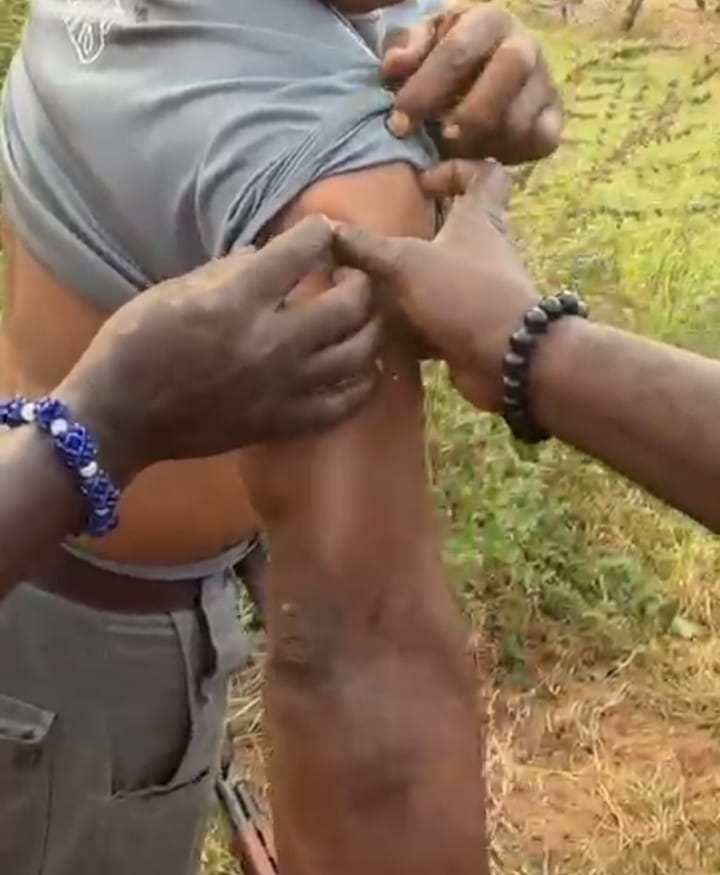
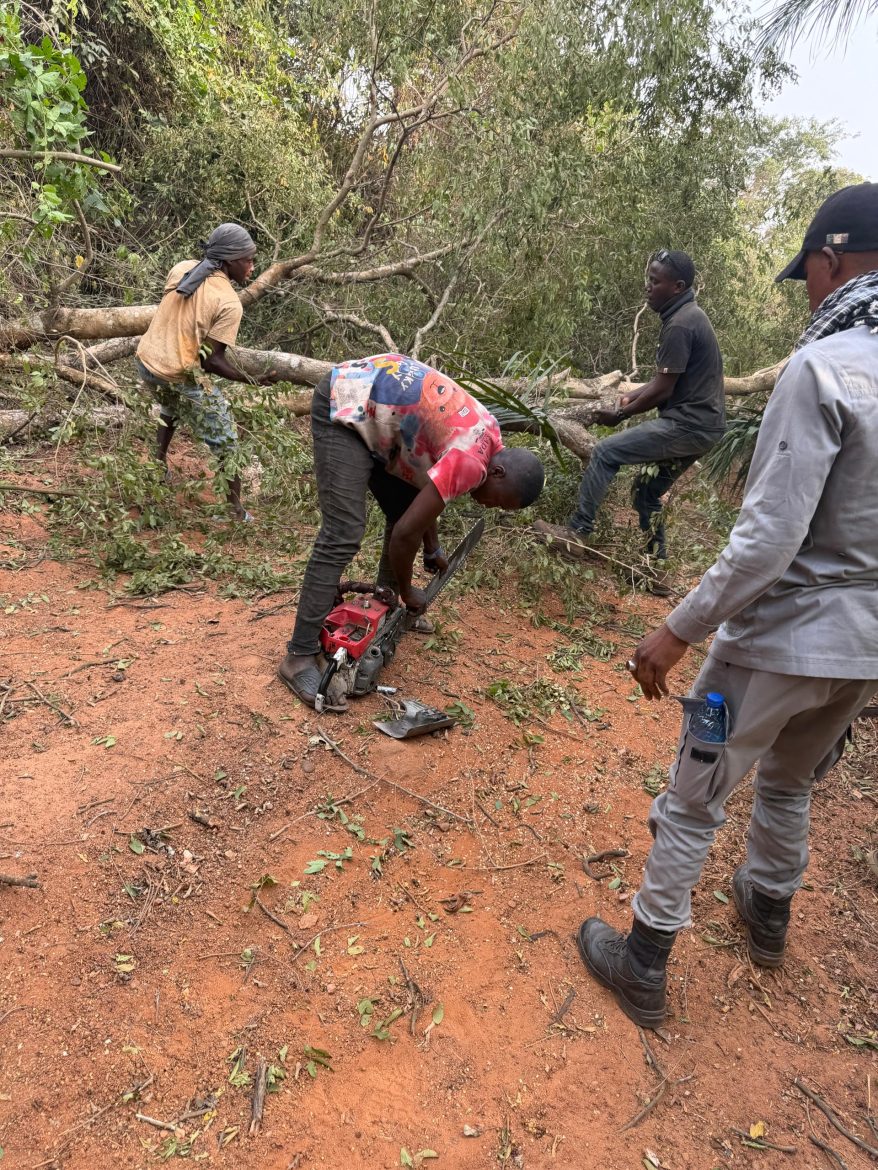
The incident occurred on January 22, 2026, in the Akokoro area of Imeko-Afon Local Government Area, when Customs officers intercepted a 12-tyre truck suspected to be carrying illicit drugs.
The operation turned violent as a large, coordinated group of armed assailants ambushed the officers, barricaded multiple access routes with felled trees, disabled a patrol vehicle, and forced the suspects’ escape with the seized truck, leaving two officers critically injured.
Security analysts say the sophistication of the attack marks a dangerous evolution from traditional smuggling to organised armed criminality along Nigeria’s borders.
The attackers’ coordination, use of weapons, and ability to block reinforcements suggest access to local intelligence, weapons, and advance planning, possibly aided by surveillance of enforcement teams.
The incident has also sparked concern over intelligence leakage, inter-agency coordination, and the adequacy of security support for high-risk interdictions.
Experts question the availability of rapid-response backup, aerial surveillance, and effective joint operations between Customs, the police, and other security agencies, especially in remote border communities where smugglers often enjoy strategic advantage.
While Customs authorities have condemned the attack and vowed continued enforcement, analysts warn that community engagement alone is insufficient against heavily armed syndicates.
They argued that restoring deterrence requires better-protected officers, real-time intelligence and surveillance, swift arrests, and visible prosecutions—without which criminal networks may continue to challenge state authority and endanger both security personnel and the public.
Reporting by Fabian Anawo