Professor Anthony Nnaemeka Ikefuna has assumed office as the 24th President of the National Postgraduate Medical College of Nigeria (NPMCN), outlining plans to strengthen specialist medical training through digital innovation, telemedicine, and improved infrastructure.
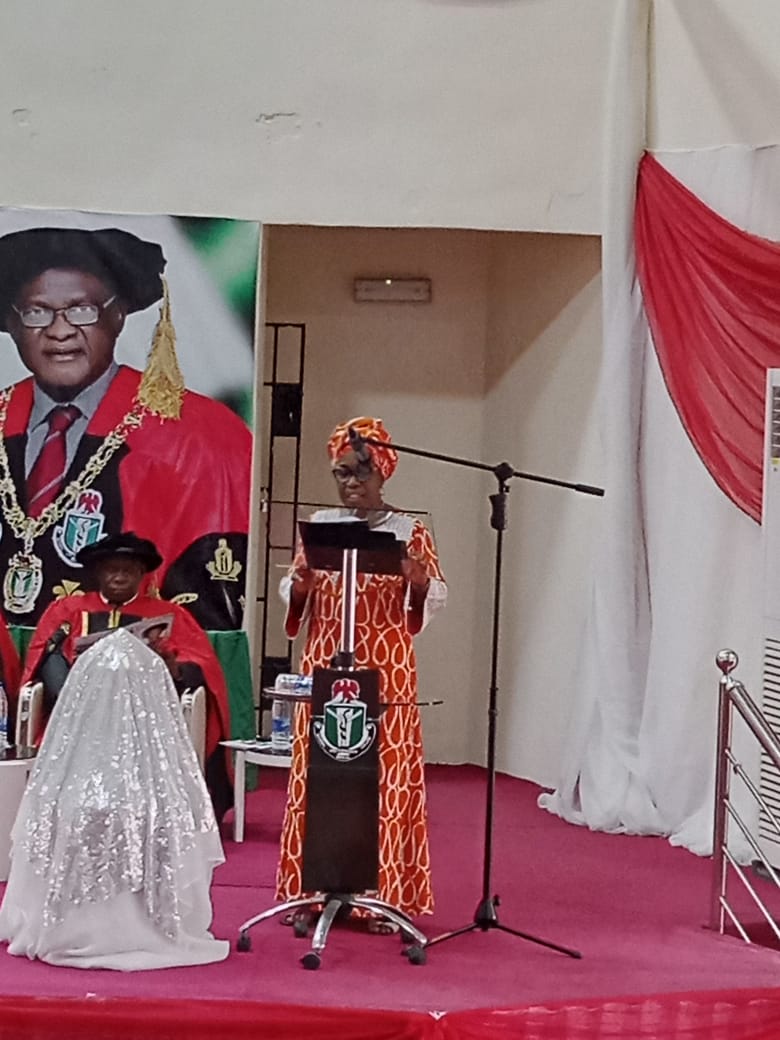
Speaking during his inauguration, Ikefuna emphasized the need to establish clinical skills and simulation laboratories that will allow medical trainees to practice complex procedures using high-fidelity mannequins and digital systems before attending to real patients.
According to him, simulation-based training is essential for improving clinical competence and enhancing patient safety within Nigeria’s healthcare system.
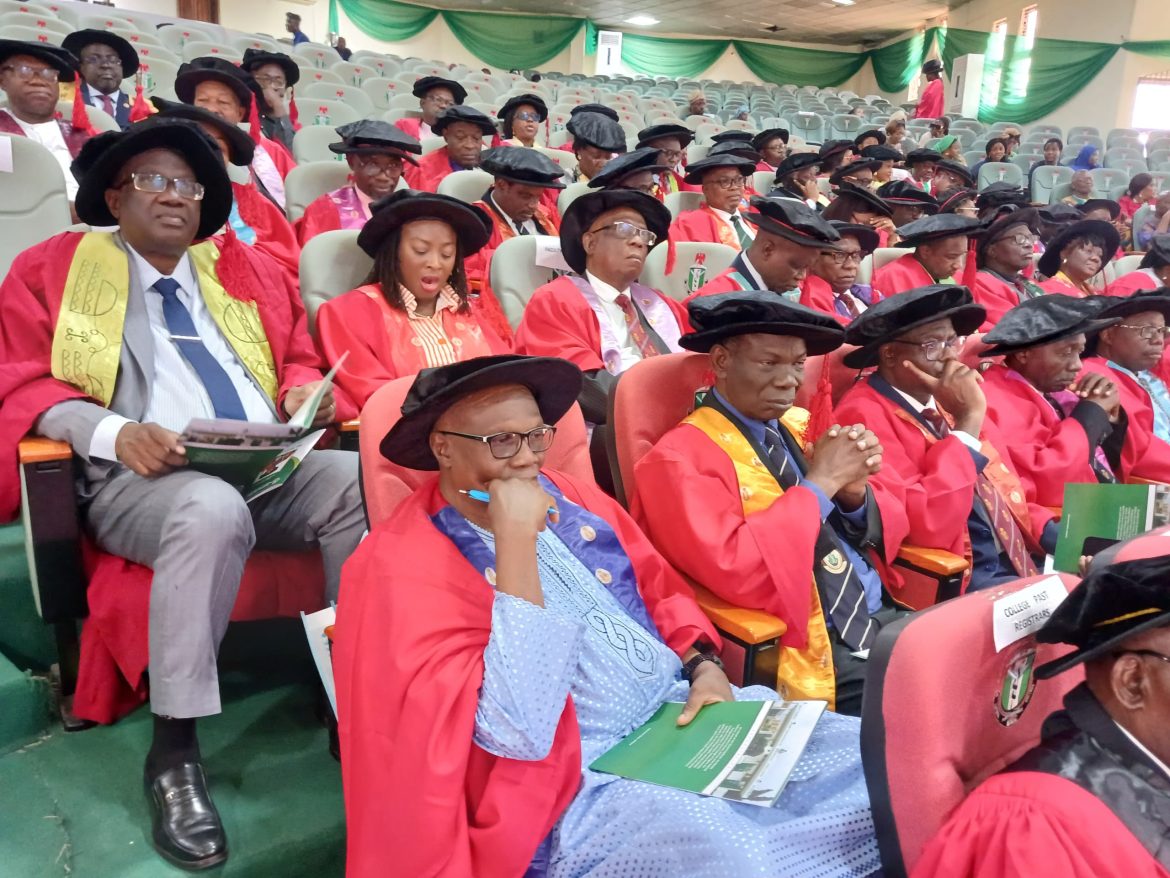
He also proposed the creation of an ICT-enabled telemedicine centre that will enable resident doctors to conduct online consultations and exchange knowledge with medical experts around the world.
Ikefuna further highlighted the importance of establishing a dedicated Computer-Based Test (CBT) centre for the College’s examinations, noting that the institution currently relies on external CBT centres across Nigeria.
“A dedicated CBT centre will improve monitoring, ensure fair testing conditions, enhance data security, and streamline examination timelines,” he said.
The new NPMCN president acknowledged the growing shortage of doctors in Nigeria, largely driven by the migration of medical professionals abroad, but expressed optimism that collaboration with Nigerian specialists in the diaspora would strengthen postgraduate medical training.
He explained that under newly introduced guidelines, diaspora doctors can now apply for Fellowship of the College.
According to him, more than 80 specialists abroad applied for the Fellowship in its maiden edition.
The initiative, he noted, is expected to encourage mentorship, research collaboration, and knowledge exchange between resident doctors in Nigeria and international experts.
Ikefuna added that the future of specialist medical education in Nigeria would depend on diaspora collaboration, digital training models, and upgraded infrastructure to ensure Nigerian doctors remain globally competitive.
Meanwhile, the Minister of Health and Social Welfare, Muhammad Ali Pate, in a message at the event, acknowledged the challenges facing the health sector but assured stakeholders that the government is implementing reforms to strengthen the system.
He described the NPMCN as the bedrock of postgraduate medical excellence in Nigeria since 1979, noting that the College has produced thousands of fellows and doctors who serve in tertiary hospitals and train the next generation of healthcare professionals.
Pate urged the new leadership of the College to align residency training with the evolving demands of digital health and modern medical practice while supporting efforts to address the country’s brain drain challenge.
The minister’s message was delivered by Dr Abisola Adegoke, Director of Hospital Services at the Federal Ministry of Health.
Data presented at the event showed that Nigeria’s annual intake capacity for medical and dental students increased from about 5,700 in 2023 to approximately 9,100 in 2025 due to improvements in infrastructure and training resources.
Registrar of the Medical and Dental Council of Nigeria (MDCN), Dr Fatima Kyari, said the Council will continue verifying medical schools to ensure they have the capacity to accommodate the increasing number of students without compromising training quality.
She revealed that about 4,200 requests for Certificates of Good Standing, a requirement for doctors seeking opportunities abroad, were recorded, with about 66 percent of the requests directed to the United Kingdom.
Also speaking, President of the Medical and Dental Consultants Association of Nigeria (MDCAN), Professor Paulos Ndokoba, warned that Nigeria may face a healthcare workforce crisis if urgent measures are not taken to curb the mass migration of doctors.
Ndokoba said hospitals across the country are increasingly struggling to recruit and retain medical professionals, adding that many doctors leave the system shortly after beginning postgraduate training.
He stressed that addressing the migration challenge requires more than salary adjustments, calling for improved welfare policies and better working conditions for healthcare workers.
Goodwill messages were also delivered by representatives of the West African College of Surgeons, the Pediatric Association of Nigeria, the West African College of Physicians, and the Vice-Chancellor of the University of Lagos, alongside several chief medical directors and health sector officials.