A faith-based coalition in Nigeria has called for ethical deployment of artificial intelligence and greater inclusion of religious voices in the country’s AI policy and governance processes.
The call was made at a journalism workshop held in Yaba, Lagos, organised by the Christian Council of Nigeria and Jama’atu Nasril Islam, with support from the Future of Life Institute.
Speaking at the event, General Secretary of the Christian Council of Nigeria, Rt. Rev. Evans Onyemara, said the Nigeria Religious Coalition on Artificial Intelligence – a partnership between CCN and JNI – was concerned about the growing influence of AI and its potential impact on religious tolerance, beliefs, and social cohesion.
Also addressing participants, Director of the CCN Institute of Church and Society, Ibadan, Very Rev. Kolade Fadahunsi, warned that the increasing use of AI, particularly among young people, carries significant social implications. He expressed concern that religious groups were largely excluded from Nigeria’s National Artificial Intelligence Strategy 2024, especially discussions around its ethical and societal components.
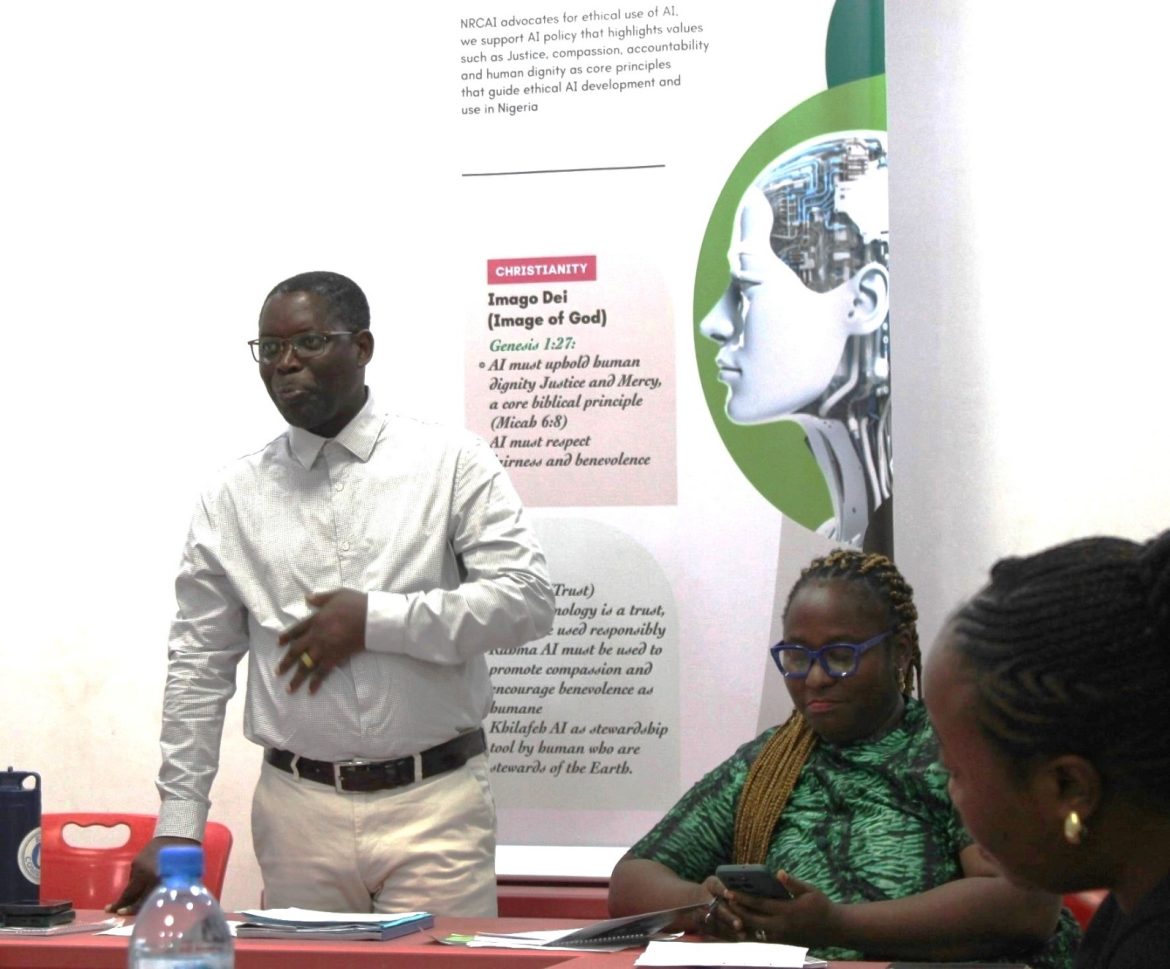
A veteran journalist, Tope Oluwaleye, in a presentation on reporting religion, urged journalists to approach faith-related stories with knowledge, sensitivity, and objectivity. He emphasised the need to avoid stereotypes, use appropriate terminology, cultivate diverse sources, and provide historical and social context when covering religious issues.
Earlier, Executive Director of the Renevlyn Development Initiative, Philip Jakpor, said the training aligned with the coalition’s conviction that the media must play a central role in addressing ethical concerns surrounding AI adoption. He warned that global AI systems often reflect Western cultural biases, risking the erosion of indigenous religious and cultural narratives if Africa fails to participate actively in AI development.
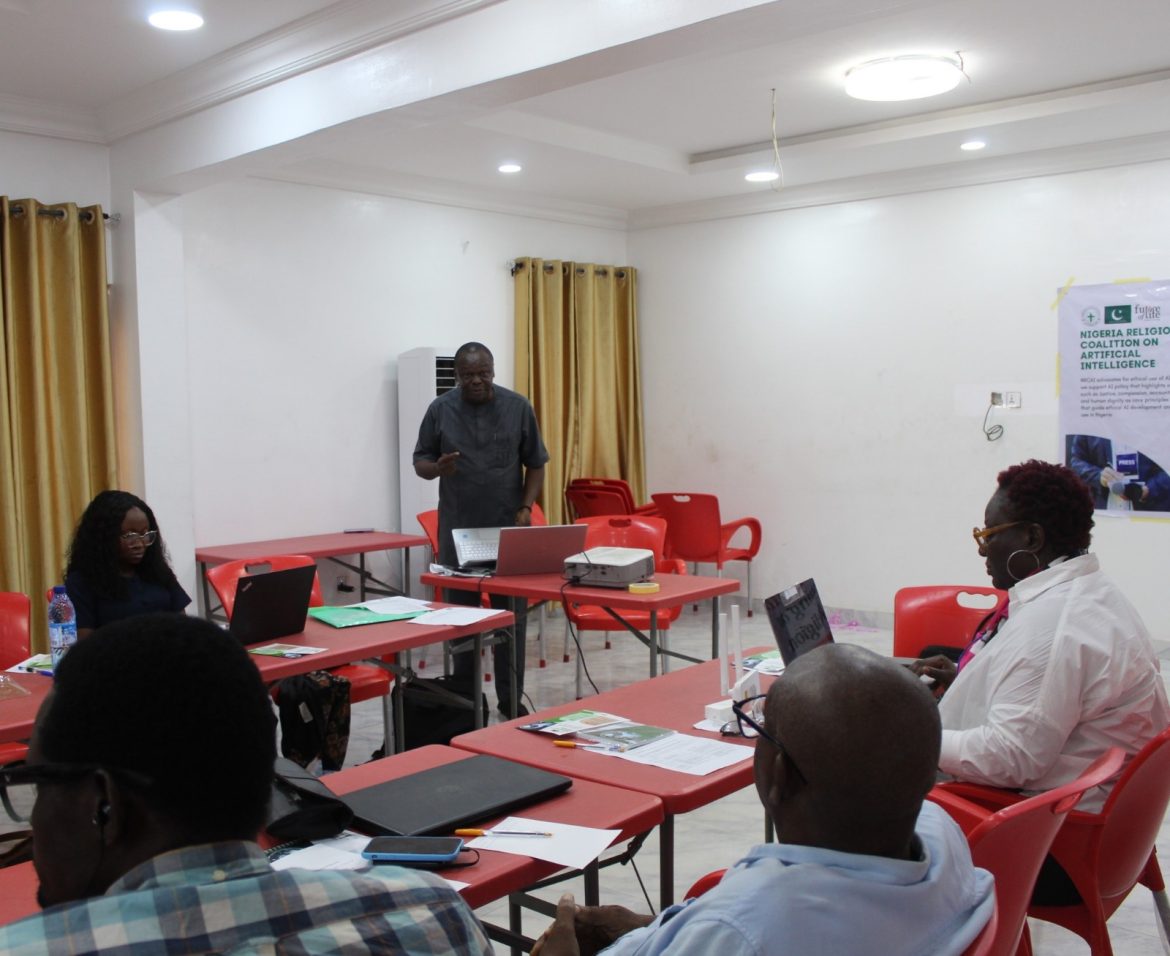
Jakpor noted that while countries like the United States and China are investing heavily in AI infrastructure and innovation, Africa risks lagging behind due to limited infrastructure, inadequate local data representation, and high implementation costs.
He added that strengthening journalists’ capacity to report AI and religion would help promote ethical regulation, inclusiveness, and public awareness, while ensuring Nigerians are not merely consumers of foreign AI products but contributors to their development.
In a separate session, international journalist Vanessa Adie highlighted the usefulness of AI tools in journalism but cautioned practitioners against plagiarism and overreliance on AI systems, stressing that editorial judgement must remain a human responsibility.
Participants at the workshop agreed that the media must serve as a platform for informed debate on AI, amplify ethical concerns, and advocate inclusive policies that reflect Nigeria’s cultural and religious realities.