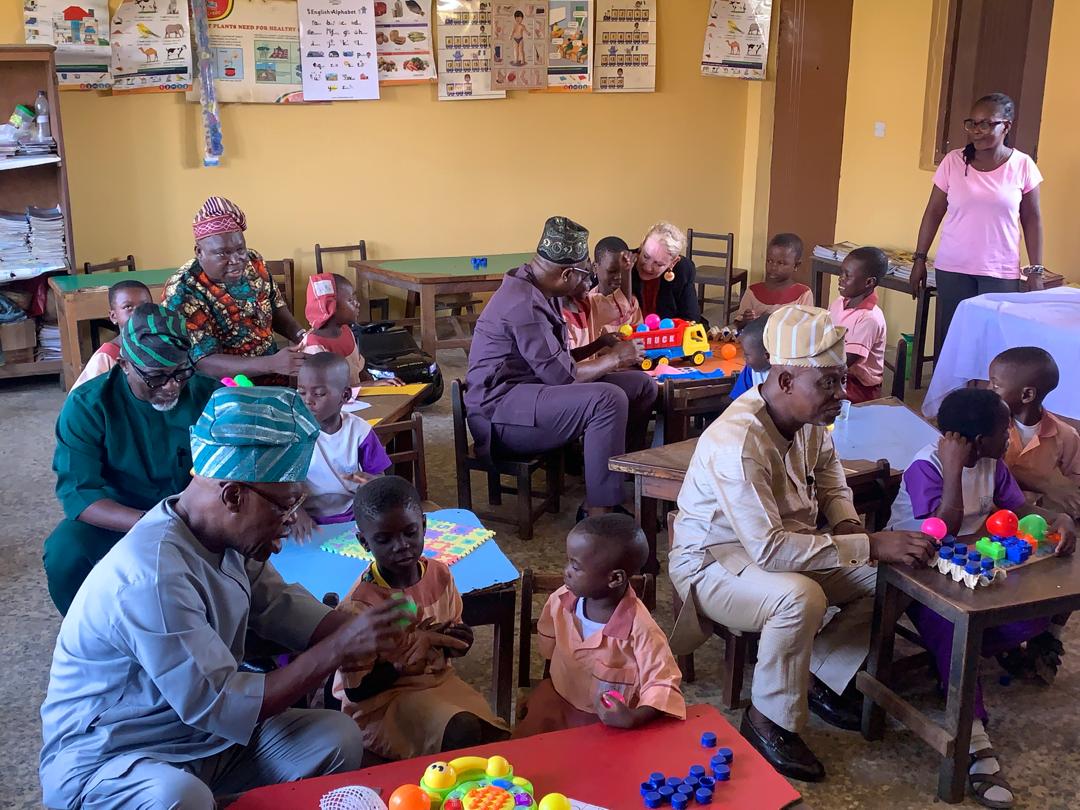
The United Nations Children’s Fund, UNICEF, has expressed concerns that millions of Nigerian children are denied safe education as schools increasingly become centres of fear amid abductions, worsening insecurity, overcrowded classrooms and poor learning conditions.
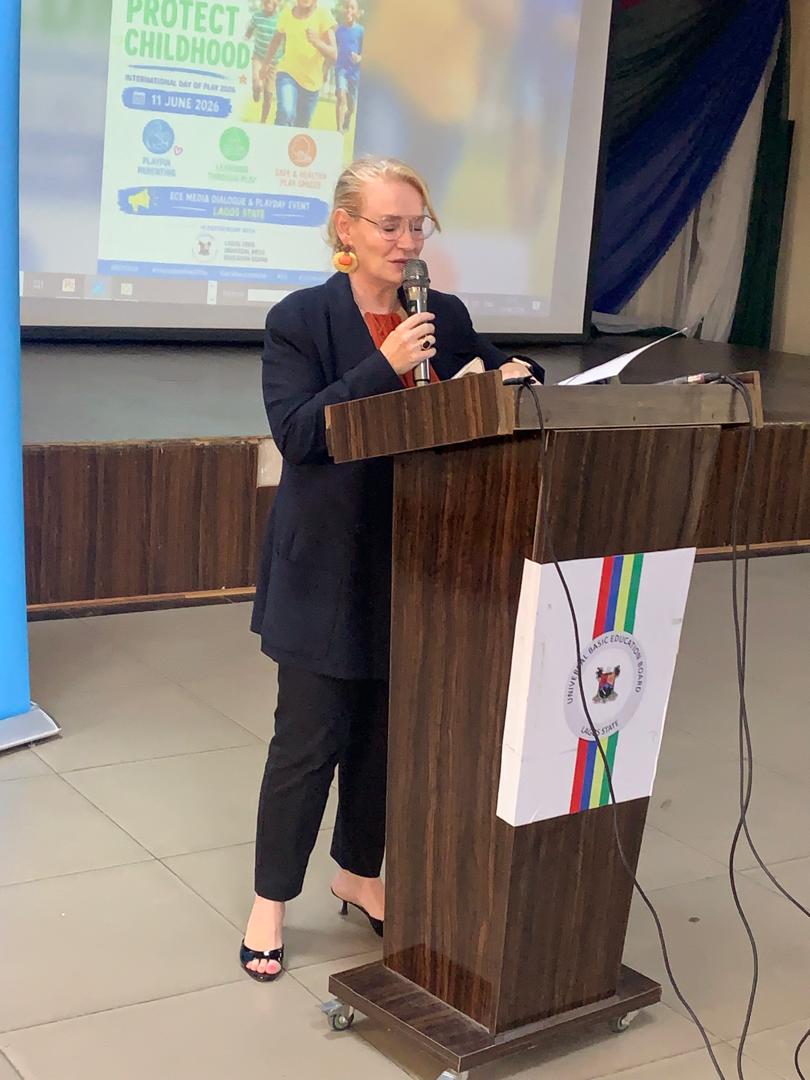
The UN agency raised the alarm over threats to children’s rights and development, saying the current state of learning environment is redefining childhood across the country.
Speaking at the 2026 International Day of Play celebration organised by UNICEF in partnership with the Lagos State Universal Basic Education Board, SUBEB, the Chief of UNICEF Lagos Field Office, Celine Lafoucriere, described the situation as disturbing.
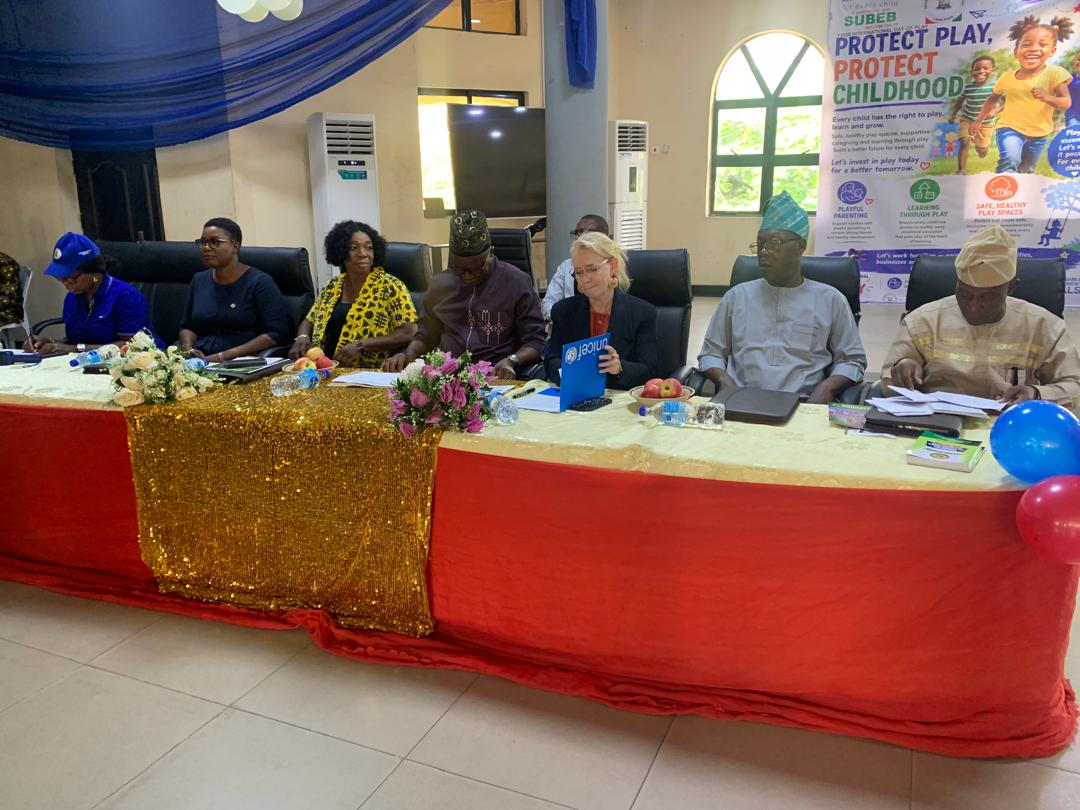
Lafoucriere said, “a wave of school kidnappings and unsafe learning conditions has made schools, which should be the safest places for children, places of fear instead”.
Addressing stakeholders at the event themed “Protect Play, Protect Childhood,” the UNICEF boss cited recent abductions of school children in Borno, Niger, Kebbi and Oyo states as evidence of the growing crisis.
“Right now, across this country, there are children who cannot say they are safe,” noting that some of the abducted children are yet to return home”.
She submitted that many parents now live in fear of sending their children to school, while children themselves increasingly view classrooms as unsafe environmen.
“The school compound, which should be the safest place in a child’s life, has become a place of fear,” Lafoucriere stated.
Beyond insecurity, she identified overcrowded classrooms, inadequate learning materials and the absence of safe recreational spaces as major obstacles blocking children’s development.
Lafoucriere stated that play is not just recreation but a critical component of childhood development that supports emotional, social and intellectual growth.
“When a child plays, their brain grows. When they explore, build and interact with friends, they are learning. Play is not a reward for finishing work. Play is the work,” she said.
The UNICEF official warned that denying children opportunities to play could have long-term consequences, stressing that no child should lose such opportunities because of insecurity, overcrowding or poor educational conditions.
She called for urgent and coordinated action by governments, communities, parents, schools and development partners to address both child protection and education challenges.
“A child who is not safe cannot learn. A child who cannot play will not grow into who they are meant to be. These two things are connected, and both of them need fixing now,” Lafoucriere said.
She further expressed concern over Nigeria’s persistent out-of-school children crisis, insisting that access to education remains a fundamental right that must be protected through collective responsibility.
Also speaking at the event, Executive Chairman of Lagos SUBEB, Dr Hakeem Shittu, underscored the importance of creating safe and supportive environments that promote children’s happiness, learning and development.
Shittu said children learn more effectively through play and social interaction, adding that early childhood development cannot thrive without opportunities for free expression.
“When children are happy, they learn more. When they interact, it improves their communication and mental development,” he said.
He maintained that Lagos schools remain inclusive and committed to providing equal educational opportunities for all children regardless of background or physical condition.
He added that government interventions, including the provision of books, uniforms, bags and other learning materials, are aimed at strengthening access to quality education.
UNICEF Education Specialist, Yetunde Oluwatosi, said the agency has continued to support government efforts through parental engagement initiatives that reinforce learning at home and in schools.
“Effective early childhood development extends beyond the classroom and requires collaboration among parents, teachers and communities”. She explained
Oluwatosi also highlighted the importance of teacher capacity, child protection, nutrition and health services, describing early childhood education as a multi-sectoral responsibility.
The UNICEF warning comes amid growing concerns over school safety and the increasing number of children facing barriers to education across Nigeria.
The agency reinforced calls for urgent measures to protect learning environments, secure schools, and guarantee the future of the nation’s children through safe education and play.