In the United Kingdom, a former National Health Service (NHS) surgeon, Neil Hopper, has been sentenced to two years and eight months in prison after admitting to insurance fraud and possession of extreme pornography.
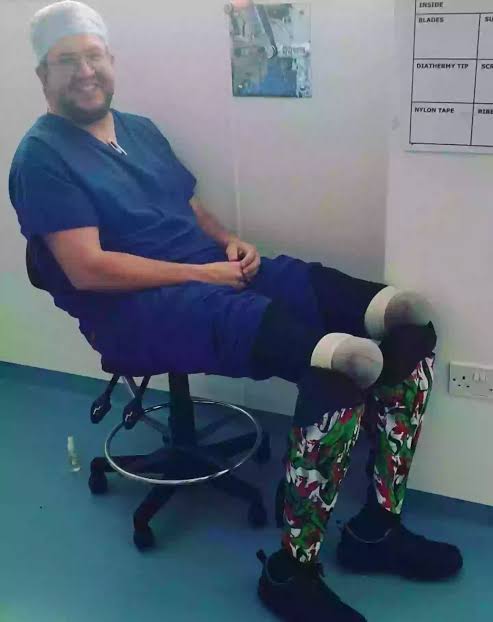
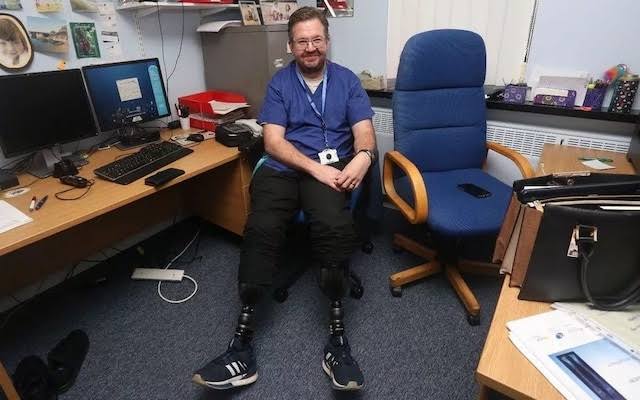
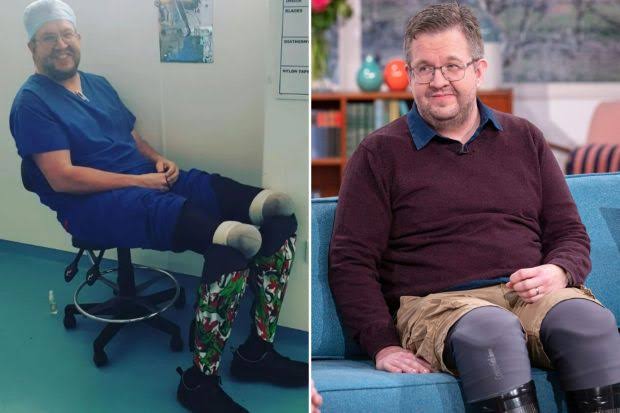
Hopper, 49, who once carried out hundreds of amputation surgeries as a vascular specialist in Cornwall, stunned colleagues and patients when it was revealed that he deliberately froze his own legs with ice and dry ice, leading to their removal in 2019.
A Secret Behind “Mysterious Illness”
Truro Crown Court heard that Hopper initially told colleagues his amputations were the result of sepsis.
Prosecutors said this was a lie, designed to conceal his deliberate self-harm and to make fraudulent insurance claims worth more than £466,000.
Prosecutor Nicholas Lee told the court:
““His motivations were a combination of obsession with removing parts of his own body and a sexual interest in doing so. It seems to have been a long-standing ambition of his.”
The court was also told Hopper messaged a friend about the insurance claim, writing that he should “milk it,” while at the same time expressing enjoyment at media attention.
Judge: High Level of Harm
In sentencing, Judge James Adkin said while he accepted Hopper was remorseful and had no previous convictions, the nature of the offences was grave.
“The level of harm in the pornography charges, which involved videos of body mutilation, was exceptionally high,” the judge remarked.
Hopper pleaded guilty to two counts of fraud and three counts relating to possession of extreme pornography, though the material did not involve children.
Links to “EunuchMaker” Network
Investigators also revealed Hopper was in contact with Marius Gustavson, who ran the notorious “EunuchMaker” website and was jailed for life in 2024 for leading an extreme body modification network. Hopper purchased three videos from Gustavson and exchanged over 1,500 messages with him about using dry ice for amputations.
Defence Plea for Leniency
Defending Hopper, barrister Andrew Langdon KC described the case as difficult to comprehend:
“He has been committed to working for the service of others. The whole saga is very difficult to comprehend. He bitterly regrets the dishonesty, but he does not regret the operations themselves.”
Langdon added that Hopper had suffered body dysphoria since childhood, describing his feet as an “unwelcome extra” that caused “never-ending discomfort.”
Shock Among Patients and Colleagues
The revelations have caused shock among former patients, some of whom underwent amputations under Hopper’s care. A South West-based medical negligence firm, Enable Law, said many patients were now questioning whether their surgeries were truly necessary.
Mike Bird, a partner at the firm, said:
“Some have had life-changing surgery and are now worried it was not really needed. This is such a serious situation that there must be a rigorous public investigation.”
One former patient, Jason Abbot, whose foot was amputated by Hopper in 2022 due to arthritis, however, defended the surgeon’s professionalism:
“He was great, very supportive, and gave me lots of information. I never thought he would do anything like this.”
Hospital Response
The Royal Cornwall Hospitals NHS Trust, where Hopper worked until his arrest in 2023, said the convictions did not relate to his professional conduct.
In a statement, the Trust reassured the public:
“Our exhaustive investigations, including an independent review, found no evidence whatsoever to indicate any risk or harm to patients at our hospitals.”
Devon and Cornwall Police echoed the same, saying there was “no evidence to suggest patients were at risk during Hopper’s clinical practice.”
The Crown Prosecution Service announced it would apply under the Proceeds of Crime Act to recover the money Hopper illegally obtained through insurance claims.
Background
Hopper, originally from Aberystwyth in Wales, trained at hospitals in Swansea, Bangor, and Newport before joining the Royal Cornwall Hospitals Trust in 2013.
He was suspended from the medical register in December 2023 after his arrest.
Despite his conviction, the case continues to raise disturbing questions about medical ethics, mental health, and trust in healthcare professionals in the UK.