As Nigeria joins the global community to mark World Toilet Day, experts have renewed calls on government at all levels to prioritize toilets that are accessible, climate-resilient, low-emission, and sustainably funded.
A World Health Organisation (WHO) report indicates that 3.4 billion people worldwide still lack access to safe sanitation.
Of this number, more than 350 million people practice open defecation—using gutters, bushes, farmlands, streets, and even containers in shops later emptied in public spaces.
This persistent practice is driven largely by the absence of functional toilets in markets, homes, petrol stations, and even government establishments.
Despite intensified awareness campaigns by government and development partners, open defecation remains widespread.
Toilets, experts say, are not a luxury but a necessity, an integral part of dignified living.
This is why the United Nations, in 2013, officially designated November 19 as World Toilet Day, reinforcing the link between sanitation, public health, and human dignity.
Nigeria’s Sanitation Challenges
Functional toilets remain scarce in many Nigerian communities. In some areas, toilets are locked, absent, or replaced with makeshift defecation points.
Markets often rely on nearby bushes or open spaces, undermining public health and environmental sustainability.
The situation is even more severe in rural and riverine areas, as well as underserved parts of major cities, where public toilets—where they exist—are dilapidated, unsafe, or unaffordable.
Such conditions heighten the risk of disease outbreaks and threaten national development.
Implications and Expert Concerns
A UNICEF WASH Specialist, Dr. Monday Johnson, said population growth and rural-urban migration have increased pressure on sanitation infrastructure, stressing the need for proper planning.
“A toilet might appear ordinary, but it represents something extraordinary—life, safety, equality, and opportunity. Access to one is not just a convenience; it is a fundamental right and, for many, a matter of survival,” he said.
Dr. Johnson noted that while Nigeria has recorded progress under the WASH programme, results vary by state depending on budgetary commitment.
As of September, over 140 local government areas have been certified open-defecation-free (ODF), but with 774 LGAs in the country, significant gaps remain.Community Success Stories in Oyo StateSome communities, however, are leading by example.
In Araromi Aperin and Alagbaa in Ona-Ara Local Government Area of Oyo State—once heavily affected by open defecation—residents have achieved ODF status through collective effort.

The Oba Alararomi of Araromi Aperin, His Royal Highness Oba Mudashiru Musa Obisesan, spearheaded the reform, insisting that every household construct a toilet.
He facilitated soft loans for residents, while government provided subsidized toilets costing N65,000, payable in instalments.
“Before, people didn’t understand why open defecation was dangerous,” said Mr. Jimoh Adetona, Deputy WASH Coordinator for Ona-Ara LGA.
“Now they know it brings sickness, and everyone is happy to have their own toilet.”For Mrs. Taiwo Adebisi, a mother of four, the impact has been life-changing:“Having a toilet at home means safety and pride. Our daughters no longer go into the bush, and we no longer fear for their health or dignity.”
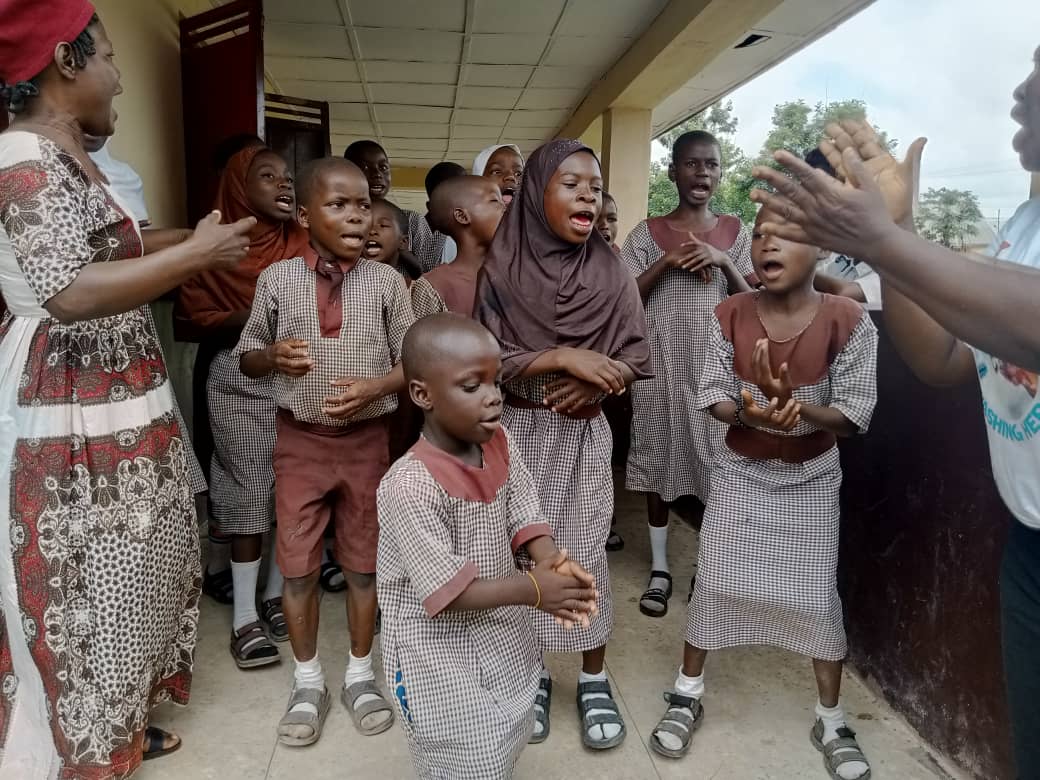
At the Islamic Mission School, Mrs. Omolara Oyelude noted that toilet facilities drastically improved pupils’ welfare.
“Before, children often fell ill or missed classes. Since we got toilets, enrolment jumped from 40 to 80 pupils.
Girls especially no longer stay home during their periods.”
The Director of Community Mobilization and Hygiene Education at Oyo RUWASSA, Mr. Adegoke Ayodele, described the ODF certification of Egbeda, Ona-Ara, and Ibarapa East as a major milestone.Health, Nutrition, and Climate Impacts
Experts warn that contaminated water remains a leading cause of diarrhoeal diseases, which claim the lives of more than 1,000 children daily.
They emphasize that good hygiene, proper breastfeeding, and safe food preparation are essential to protecting children with vulnerable immune systems.
Beyond health, untreated waste contributes to greenhouse gas emissions, while lack of toilet access disproportionately affects women and girls, resulting in lost school hours, lower productivity, and increased vulnerability.
Call to Action
This year’s World Toilet Day theme, “We’ll Always Need the Toilet,” serves as a reminder that sanitation reflects a society’s infrastructure, values, and commitment to protecting life.
Experts agree that achieving ODF Nigeria is possible—but only if governments, communities, and individuals play their part.