The Lagos State Government says malaria prevalence in the state has dropped significantly over the past 15 years, even as authorities grapple with a shortage of about 30,000 doctors and 40,000 nurses.
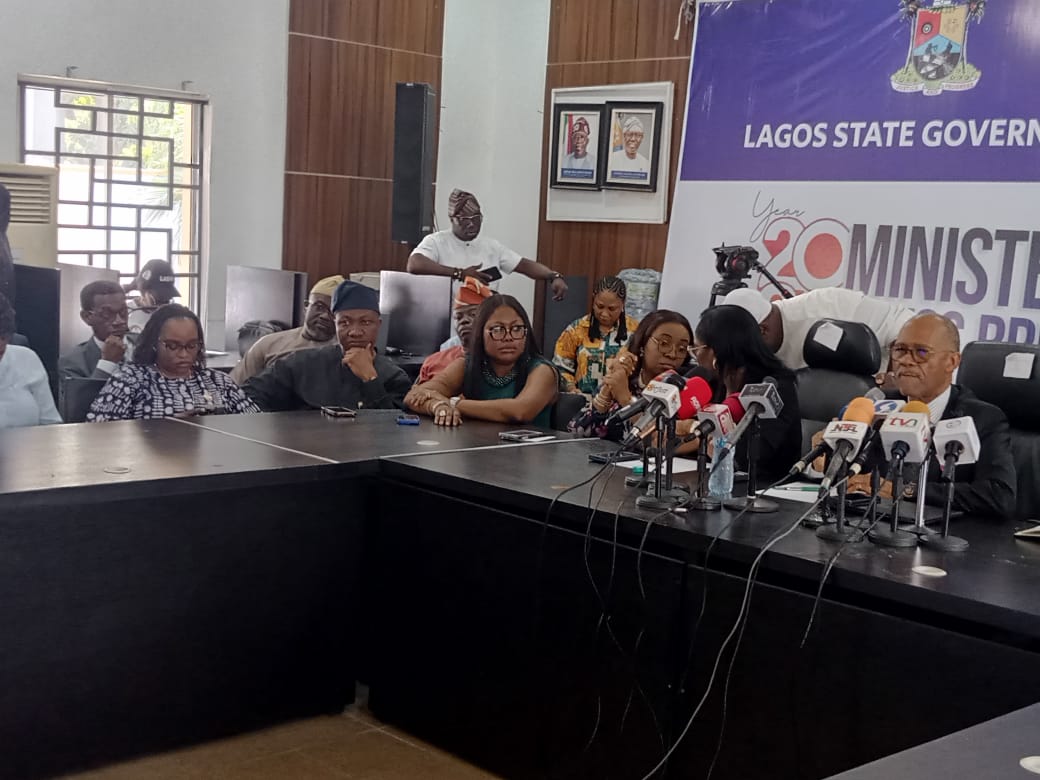
Commissioner for Health, Professor Akin Abayomi, disclosed this during a ministerial press briefing in Alausa, Ikeja, as part of activities marking the seventh anniversary of Governor Babajide Sanwo-Olu’s administration.
Professor Abayomi said malaria prevalence in Lagos had declined from 15 per cent in 2010 to 10 per cent in 2015, and currently stands at two per cent in 2025.
Despite the improvement, he warned that malaria remains a major public health threat because of the sheer size of Lagos’ population.
The commissioner attributed the decline to policy reforms and improved diagnostic systems aimed at reducing the unnecessary use of antimalarial drugs and promoting evidence-based treatment.
According to him, the reforms are helping to curb excessive medication and “sledgehammer polypharmacy,” while also improving accurate diagnosis and patient prognosis.
He added that the long-term objective is to reduce antimicrobial resistance across medicines used for parasites, bacterial infections and tuberculosis.
Abayomi, however, expressed concern over the growing pressure on healthcare workers in the state, revealing that Lagos currently has about 7,000 doctors but requires an additional 30,000 doctors and 40,000 nurses to adequately meet healthcare demands.
Citing World Health Organisation standards, he said Nigeria currently has about 40,000 doctors serving a population ratio of one doctor to 5,000 people, far below the recommended ratio of one doctor to 600 patients required to meet Sustainable Development Goals targets.
“One doctor is doing the work of ten. The risk of burnout is high,” he said.
To address the manpower shortage, the commissioner said the Ministry of Health had commenced a major expansion of the Lagos State University College of Medicine across Ikeja, Yaba and Gbagada.
He explained that the project, currently in its execution stage, is expected to increase annual training capacity by more than 2,500 healthcare professionals yearly.
According to him, lecture capacity would rise from 300 to 1,600 seats, while laboratory spaces and academic offices would also be expanded significantly.
Abayomi further disclosed that the state government had completed a 72-room accommodation complex for house officers at Lagos State University Teaching Hospital, while staff quarters in Odan, Gbagada and Ojo are nearing completion.
He added that all future medical facilities in Lagos would include staff accommodation located close to hospitals to improve welfare and working conditions for health personnel.
The commissioner also revealed that the new Massey Children’s Hospital on Lagos Island is nearing completion, while several general hospitals across the state are undergoing construction and renovation.
These include the 280-bed Iba-Ojo General Hospital, which he said is about 75 per cent completed, alongside projects in Somolu, Harvey, Isolo, Ebute Metta, Ajeromi Ifelodun and Lagos Island.
Abayomi also said the 1,500-bed Mental Health Institute in Ketu-Ejinrin, Epe, had reached 65 per cent completion.
On primary healthcare delivery, he disclosed that 47 Primary Health Centres are currently undergoing renovation across the state, while several others have already been completed and solarised under different intervention programmes.
He maintained that the Sanwo-Olu administration remains committed to strengthening healthcare infrastructure, improving disease control, expanding manpower development and ensuring wider access to quality healthcare services across Lagos.