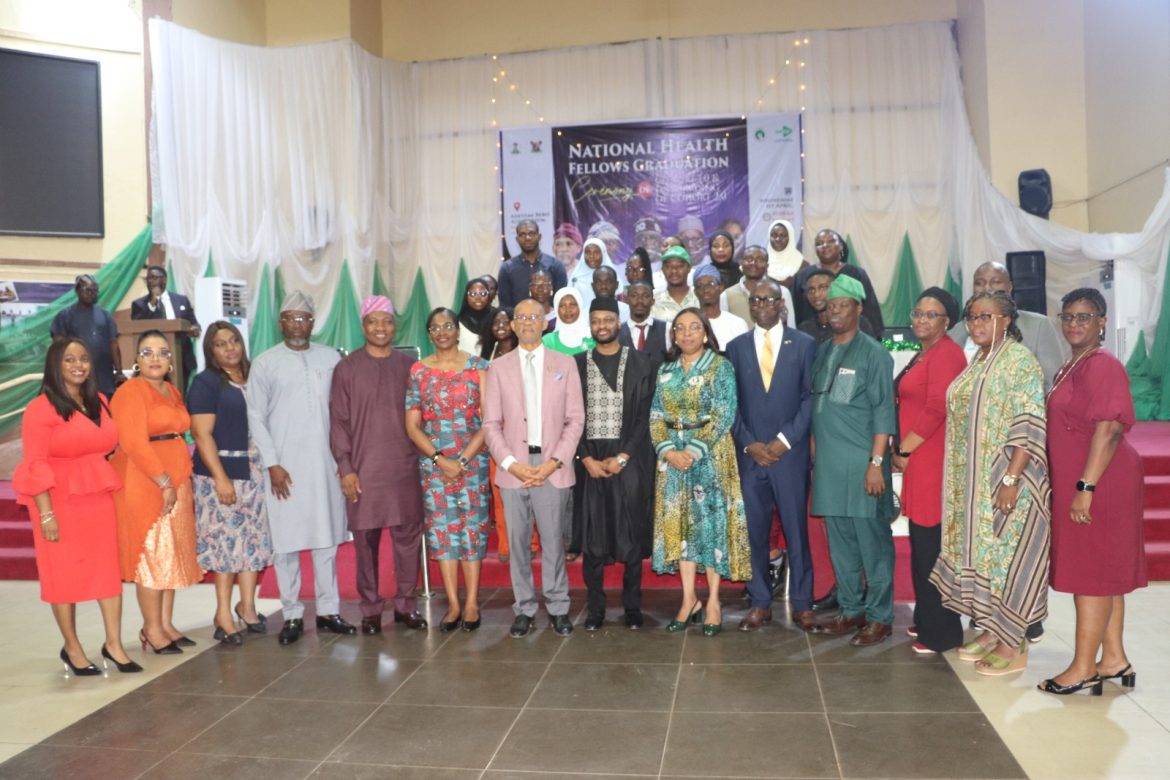
The Lagos State Government has graduated the first cohort of the National Health Fellows (NHF) and onboarded a new set of participants as part of ongoing efforts to strengthen healthcare leadership and service delivery in the state.
The ceremony, held at the Adeyemi Bero Auditorium, brought together stakeholders from across the health sector, including government officials, development partners, and healthcare professionals.
The event marked the transition from Cohort 1.0 to Cohort 2.0 under the Sector-Wide Approach framework.
Speaking at the event, the Lagos State Commissioner for Health, Akin Abayomi, described the National Health Fellows Programme as a strategic initiative of President Bola Ahmed Tinubu aimed at grooming young professionals in health governance.
Professor Abayomi noted that the programme offers participants an opportunity to understand the complexities of governance firsthand, adding that effective healthcare delivery now requires multidisciplinary expertise, strong data systems, and sustainable financing models.
He stressed the need to increase health insurance uptake, describing it as critical to reducing out-of-pocket spending and improving access to quality healthcare.
He commended the graduating fellows for their data-driven insights and assured that their recommendations would be reviewed and possibly presented before the State Executive Council.
Also speaking, the Coordinating Minister of Health and Social Welfare, Muhammad Ali Pate, represented by Dr. Muntaqa Umar-Sadiq, praised the fellows for their dedication and described the programme as a pipeline for future health leaders.
According to him, the initiative attracted over 300,000 applications for its first cohort, reflecting its significance within Nigeria’s broader health reform agenda.
He urged the new fellows to combine idealism with practical solutions in addressing the nation’s health challenges.
In her remarks, the Special Adviser to the Governor on Health, Kemi Ogunyemi, said the new cohort would serve as a “reform engine” within the health system, tasked with ensuring that policies translate into measurable outcomes, particularly at the primary healthcare level.
Similarly, the Permanent Secretary of the Ministry of Health, Dayo Lajide, described the programme as a strategic investment in strengthening health system leadership and bridging the gap between policy formulation and implementation.
The World Health Organization, represented by its Lagos State Coordinator, Chinyere Okafor, also commended the initiative, noting that it comes at a critical time when health systems are grappling with workforce shortages and rising healthcare costs.
Speaking on behalf of the graduating fellows, Mr. Bamidele Oyewumi said Cohort 1.0 recorded notable achievements, including reaching over 5,000 beneficiaries through community-based interventions such as water projects and environmental health campaigns.
He, however, highlighted persistent challenges such as workforce shortages, infrastructure deficits, weak community integration, and low health insurance coverage, while recommending reforms in digital health, financing, and governance.
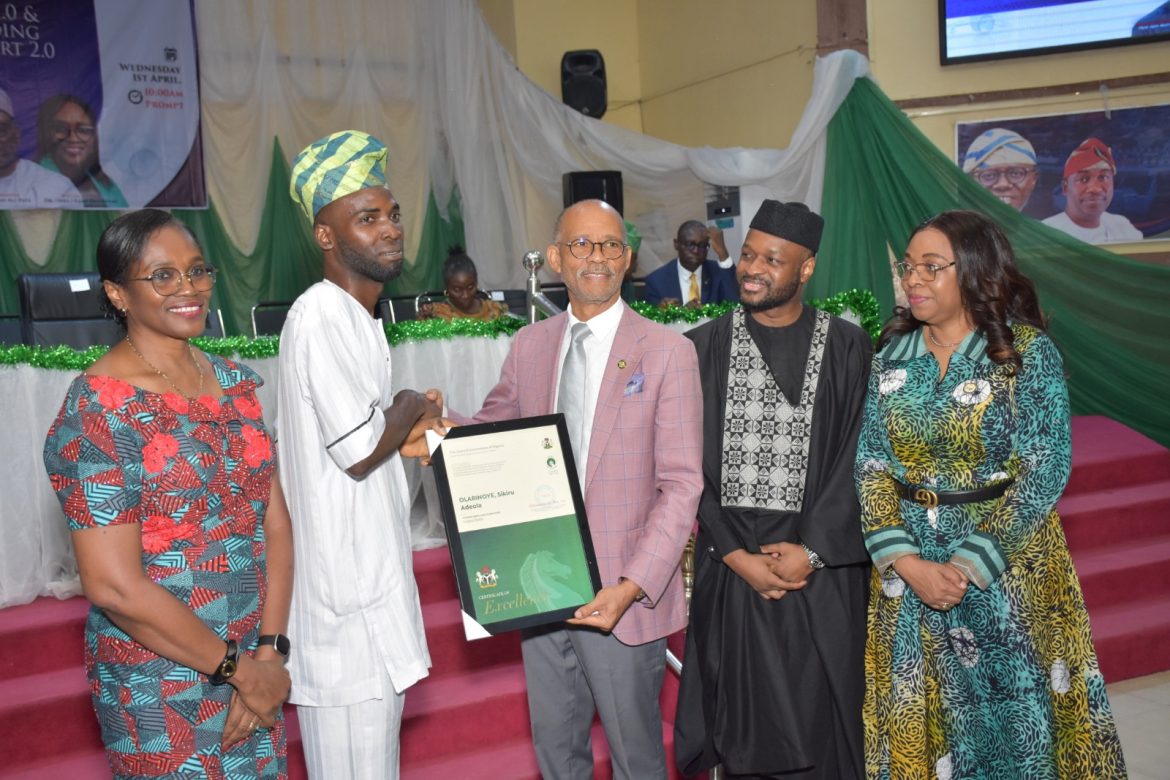
Awards were presented to outstanding fellows, with Mr. Olarinoye Sikiru Adeola emerging as the Most Outstanding, Miss Afolabi Toyin Deborah as Most Innovative, and Miss Olumowo Kamilat Yewande recognised for excellence in community engagement.
The event also featured recognition of key contributors to the programme, including the Lagos State SWAp Desk Officer, Dr. Oyeyemi Ogunjobi, and mentor Mrs. Sherifat Ibidunni Lawal.
The graduation and onboarding ceremony underscores the commitment of the Lagos State Government to building a resilient healthcare system through leadership development, innovation, and collaboration with federal and international partners.