The Lagos State government has expressed readiness to tap into the Sanitation Circular Economy for increased Internally Generated Revenue and Resource Recovery to create opportunities and prospects for livelihood in Sanitation service Chain.
General Manager, Lagos State Wastewater Management Office, Mr Adefemi Afolabi, disclosed this at the validation of a study document on Sanitation Circular Economy in Lagos, which was researched and funded by an NGO WaterAid Nigeria held at Ikeja.
Mr Afolabi acknowledged the comprehensive details of the document which encompasses the economic value of wastewater and feacal sludge of over twenty three million Lagos residents when recycled and used in various sectors like Agriculture, Abattoirs, Energy among others.
He cautioned residents against dislodging their human wastewater on the road and drainage, citing its environmental and health hazards implications.
The Research Consultant, a Professor of Regenerative Sanitation and Water Governance from the Rivers State University, Professor Peter Cookey, noted that rapid urbanization has strained water supply and waste management systems in Lagos leading to inefficient faecal sludge management, water pollution and outbreak of waterborne diseases.
He recommended interministerial taskforce, efficient policy and improved welfare for sanitation workers to make the job attractive to youths and collaboration with the private and development partners to fully harness the benefit of the circular sanitation economy.
“The study will support data-driven decision-making, policy formulation, and investment in sustainable sanitation solutions, ultimately contributing to a cleaner environment, improved public health, and a thriving circular economy in Lagos State” Prof stated.
On his part, WaterAid Nigeria Lagos Program Team Lead Dr Adebayo Alao, said the study aims to explore strategies for improving sanitation management in Lagos, optimizing resource recovery, and ensuring long-term environmental and public health benefits.
Dr Alao maintained that Lagos has immense potential for a circular sanitation economy, by converting faecal sludge into biogas, compost, or energy, which would in turn generate economic benefits, create jobs, and improve sustainability.
“These innovative approaches have the potential to transform waste into valuable resources, reduce environmental pollution, enhance public health, and create economic opportunities.”
“This study aims to assess the current state of sanitation-derived resource management, provide scientific evidence on the potential applications of sanitation by-products, establish pathways for economic opportunities within the sanitation service chain.”
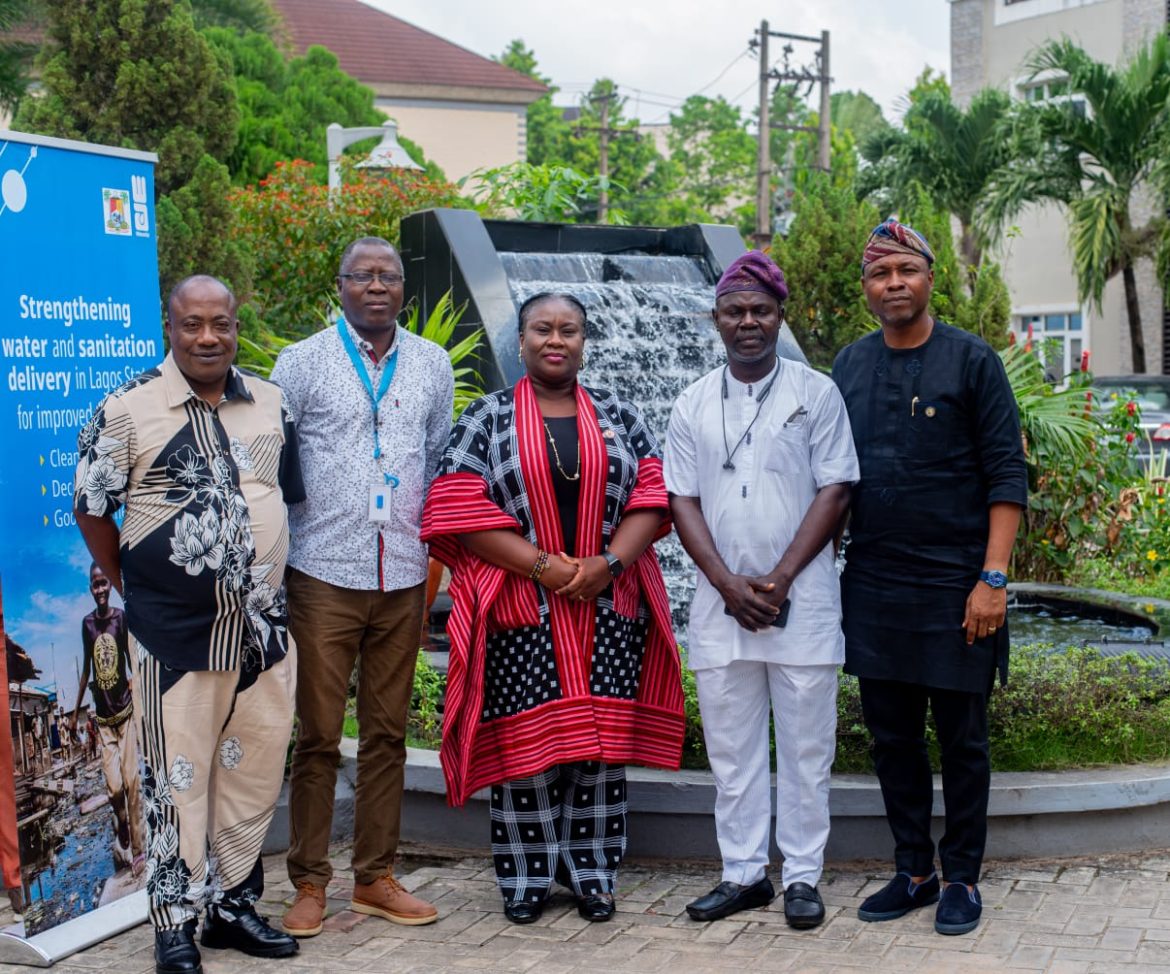
Some of the stakeholders’ who contributed and highlighted the way forward for the document implementation, commended WaterAid Nigeria for its investment in human capacity building to chart a new pathway to ensure a cleaner and healthier environment in Lagos.
The study document validation was witnessed by representatives of different stakeholders in the Sanitation sector which included the Ministries of the Environment and Water Resources, Health, Agriculture, Physical and Urban Planning, Lagos State Wastewater Management Office,
Lagos Water Corporation,
Lagos State Water Regulatory Commission, Sewerage and Wastewater Dislodgers Association of Nigeria, Public Toilet Owners Association of Nigeria, LAWMA, LASEPA, Engineering Associations and Groups among others.
Reporting by Yemisi Dada